
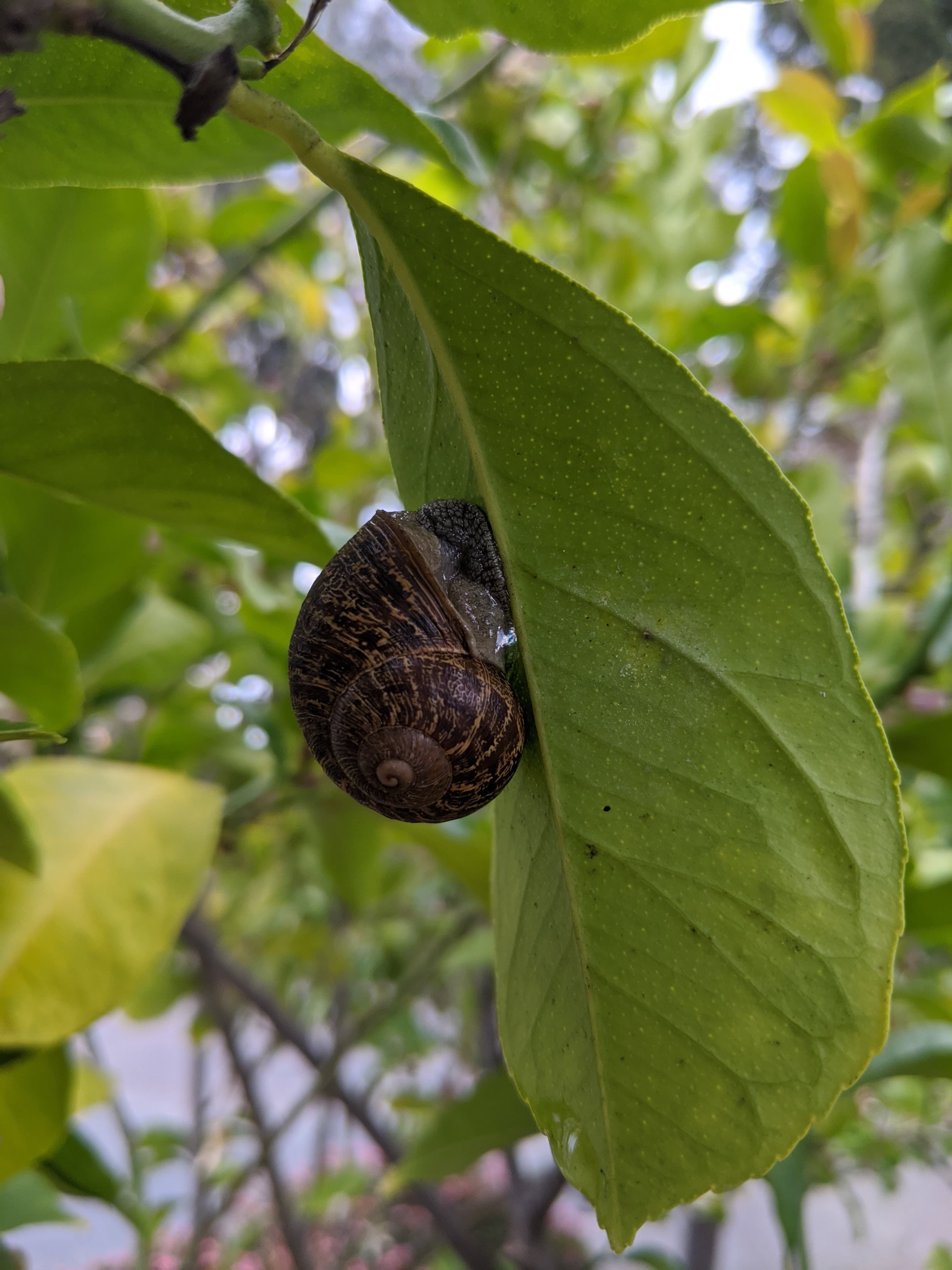
How to Get Rid of Slugs and Snails Naturally
Few things are as disheartening as walking out to your garden in the morning to find your seedlings reduced to stumps and silvery trails glistening across the soil. Slugs and snails are among the most common — and most frustrating — garden pests worldwide. The good news: you can dramatically reduce the damage without reaching for toxic pellets that harm pets, wildlife, and soil life. Here is a complete, organic playbook for keeping these molluscs in check.
Know your enemy
Slugs and snails are soft-bodied molluscs that thrive in cool, damp, shady conditions. They feed mostly at night and on overcast, wet days, hiding during dry daylight hours under pots, mulch, leaves, and boards. They are especially fond of tender young growth: seedlings, lettuce, hostas, strawberries, and the soft leaves of beans and brassicas. A single slug can do serious damage to a row of seedlings overnight, which is why they seem to appear from nowhere.
Understanding their habits is the key to controlling them: they need moisture, they travel on a layer of mucus, and they shelter in cool damp hideouts by day. Every method below exploits one of those weaknesses.
Start with your garden habits
The most effective long-term control costs nothing — it is simply how you manage the garden.
Physical barriers that work
Because slugs and snails glide on soft, moist bodies, sharp or drying surfaces genuinely deter them.
No barrier is 100% foolproof, but combined with good habits they protect your most vulnerable plants during the critical seedling stage.
Trapping and hand-picking
Simple, cheap, and surprisingly effective if done consistently.
Invite natural predators
A balanced garden keeps mollusc numbers down on its own. Encourage the animals that eat slugs and snails:
The more biodiverse your garden, the less any single pest can run riot. Chemical slug pellets undermine this balance by poisoning the very predators that would help you.
Nematodes: a biological option
For serious infestations, biological control offers a natural solution. A specific microscopic nematode (Phasmarhabditis hermaphrodita) parasitises slugs and is watered into the soil. It is harmless to pets, wildlife, and children, targets slugs specifically, and can give several weeks of protection. It works best in warm, moist soil above about 5°C (41°F) and is a good choice for damp, slug-prone plots.
Choose resistant plants
You can sidestep much of the battle by growing what slugs dislike. They tend to leave alone plants with tough, aromatic, hairy, or bitter leaves — think rosemary, sage, thyme, fennel, and many alliums like onions and garlic. Reserve your barriers and traps for the tender favourites (lettuce, seedlings, strawberries) and let the naturally resistant plants fend for themselves.
Put it all together
There is no single magic bullet — successful slug control layers several gentle methods. Tidy up daytime hiding spots, water in the morning, ring your seedlings with a barrier, run a few night patrols or beer traps during peak season, and build a garden that welcomes natural predators. Do this and you will protect your harvest without a single toxic pellet.
Grow, protect, and share
Every gardener faces the slug challenge, and swapping what works locally is half the fun of growing food in a community. When your protected plants start producing more than you can eat, sharing the surplus with neighbours turns a small victory into something bigger.
Locavori helps you grow healthier organic produce and connect with local growers to trade tips, seedlings, and harvests.
Ready to grow and share your own organic produce? Join Locavori today and become part of your neighbourhood food-sharing community.