
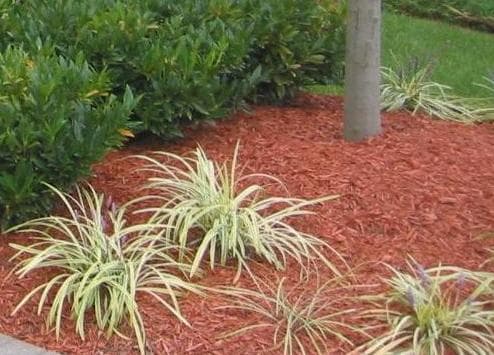
Mulching Your Garden: A Complete Guide
If there's one job that quietly does the work of ten in a vegetable garden, it's mulching. A simple layer of material spread over the soil keeps your plants watered, smothers weeds, feeds the soil, and protects roots from baking heat and biting cold. It's one of the highest-impact, lowest-effort things you can do — and summer, when soil dries fast and weeds race ahead, is the perfect time to start.
This guide explains what mulch does, which type to use, and exactly how to apply it.
What Mulch Actually Does
Mulch is any material laid on top of the soil rather than dug into it. A good mulch layer delivers several benefits at once:
Organic vs. Inorganic Mulch
Organic mulches come from living material and break down to enrich the soil. They're the go-to for vegetable gardens:
Inorganic mulches don't feed the soil but excel at specific jobs:
For most food gardens, organic mulch is the better all-rounder because it improves the soil while it works.
How to Apply Mulch: Step by Step
1. Weed first. Clear existing weeds — mulch suppresses new seeds but won't smother established roots. 2. Water the soil. Mulch holds in whatever moisture is already there, so water thoroughly before you spread it, especially in summer. 3. Spread an even layer. Aim for 5–8 cm (2–3 in) for most organic mulches. Too thin and weeds sneak through; too thick and water struggles to reach the roots. 4. Keep mulch off stems. Leave a 2–3 cm (1 in) gap around plant stems and tree trunks. Mulch piled against stems traps moisture and invites rot and pests. 5. Top up as needed. Organic mulch breaks down, so refresh it through the season to keep the layer effective.
When to Mulch
Whatever your hemisphere, the principle is the same: mulch once the soil is warm and moist, not cold and dry.
Common Mulching Mistakes
A Small Habit With Big Rewards
Mulching turns a long list of garden chores — watering, weeding, feeding — into a single afternoon's work that pays off for months. Your plants stay hydrated through heatwaves, weeds give up, and your soil gets richer with every season. It's the kind of low-effort, high-reward habit that makes growing your own food genuinely easier.
Want to grow more, waste less, and share your surplus with neighbours? Join Locavori today and become part of a community of local growers.
Related Posts
Square Foot Gardening: A Beginner's Guide
Grow more food in less space with square foot gardening — a simple grid method for raised beds that means less weeding, less waste, and a steady harvest all season.
How to Start a Community Garden: A Step-by-Step Guide
A community garden brings neighbours together around food, nature, and shared purpose. Here's everything you need to start one from scratch.
Companion Planting Guide for UK Gardens: Grow More by Growing Together
Discover the best companion planting combinations for UK vegetable gardens — from tomatoes and basil to the Three Sisters — and learn how to naturally deter pests and boost yields.