
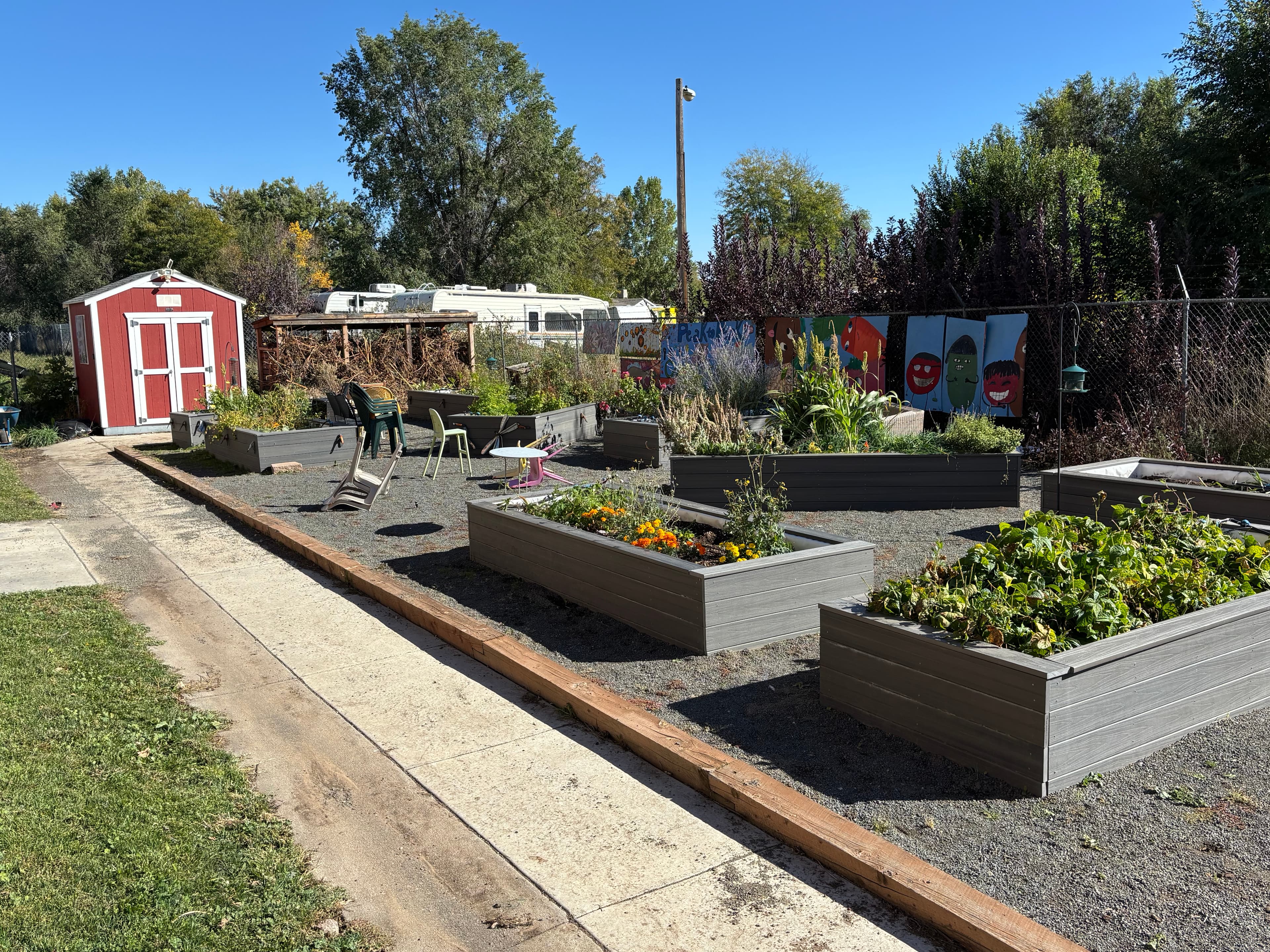
Square Foot Gardening: A Beginner's Guide
Square foot gardening is one of the simplest ways to grow a surprising amount of food in a small space. Instead of long rows with wide gaps of bare soil, you divide a raised bed into a tidy grid of 30 cm (1 ft) squares and plant each square with exactly as many plants as it can comfortably hold. The result is less weeding, less wasted space, and a steady harvest from a footprint small enough for a patio, a side yard, or a corner of a community plot.
If you have ever felt that growing your own food needs a big yard, this method is the gentle reminder that it really doesn't.
What is square foot gardening?
The idea was popularised by Mel Bartholomew in the early 1980s as a friendlier alternative to traditional row cropping. The core principle is intensive spacing: you give each plant just enough room and no more, so the bed stays productive from edge to edge.
A classic bed is 1.2 m × 1.2 m (4 ft × 4 ft), divided by a physical grid into sixteen 30 cm (1 ft) squares. The grid is the signature of the method — it keeps your planting honest and makes the whole bed easy to read at a glance. Four feet is no accident: you can reach the centre from any side without stepping on the soil, which keeps it loose and healthy.
Why it works so well
Building your bed
You don't need anything fancy. A simple frame of untreated timber, recycled boards, or even a sturdy container will do.
1. Choose a sunny spot. Most vegetables want 6–8 hours of direct sun a day. 2. Build a frame about 15–20 cm (6–8 in) deep. That is enough root room for most crops, and it means you can set the bed on a hard surface if needed. 3. Fill with a light, fertile mix. A blend of roughly one-third compost, one-third coconut coir or peat-free potting medium, and one-third coarse material such as perlite or composted bark holds moisture while staying loose. Skip heavy garden soil in a shallow bed — it compacts. 4. Add the grid. Lay thin wooden lath, bamboo canes, or string across the top to mark your 30 cm (1 ft) squares. Make it visible; that's the point.
How many plants per square?
This is the heart of the method. Spacing depends on the mature size of each crop. A reliable rule of thumb:
Think of it as dividing the square into a smaller grid: 4-per-square means a 2×2 layout, 9-per-square a 3×3, and 16-per-square a 4×4. Vining crops like cucumbers and pole beans can go one or two per square if you give them a trellis to climb — growing up rather than out is what keeps the bed compact.
A simple starter plan
For a single 4×4 bed (16 squares), a balanced, beginner-friendly mix might be:
That single bed will keep a household in salads, herbs, and snacking vegetables through the warm season.
Watering and feeding
Because the planting is dense, square foot beds appreciate consistent moisture. Water at the base in the morning, aiming for the soil rather than the leaves. In hot weather a shallow bed may need watering daily; a quick finger-test in the top 2–3 cm (1 in) tells you when. Every few weeks, a top-up of compost or a diluted liquid feed keeps the closely spaced plants well fed.
Succession planting: the secret to all-season harvests
The grid makes succession planting effortless. The moment one square is harvested — say, a square of radishes after just four weeks — refresh it with a handful of compost and replant immediately with the next crop. Quick growers like lettuce, radishes, and salad greens can cycle through the same square several times in a season. Keep a small notebook or a note on your phone of what went where and when, so you can rotate plant families and avoid growing the same crop in the same square twice in a row.
Adapting to your climate
Square foot gardening works in every climate, but timing is local. Always sow and transplant according to your own last-frost date in spring and first-frost date in autumn/fall. Gardeners in warm USDA zones 9–11 (or mild RHS H1–H3 areas) can keep a bed productive almost year-round; those in cooler zones get a shorter but still generous window. Southern Hemisphere readers simply flip the calendar by six months. When in doubt, your regional extension service or garden centre can give you exact dates for your area.
A small bed, a big difference
What makes square foot gardening so rewarding is how quickly it turns a tiny, slightly intimidating patch of ground into an organised, productive little ecosystem. You learn fast, waste little, and harvest something almost every week. It is the perfect first bed — and once you have one, you will almost certainly want a second.
Growing more food than you can eat is one of life's nicest problems. When your squares start overflowing with lettuce and beans, that surplus is a wonderful reason to connect with the people around you.
Ready to grow, swap, and share your harvest with neighbours? Join the Locavori community today and turn your square foot garden into a source of fresh food for your whole street.
Related Posts
How to Grow Mushrooms at Home: A Beginner's Guide
Mushrooms need no sunlight, no garden and barely any space. Here's how to grow oyster mushrooms indoors in under a month — and what to do with the glut.
How to Grow Chives: Complete Guide
Chives are one of the easiest, most rewarding herbs to grow — a hardy perennial that returns every year. Here's how to grow them from seed to harvest in beds, pots, or on a windowsill.
How to Grow Rhubarb: A Complete Guide
Plant rhubarb once and harvest tart, ruby stalks for a decade. Here's how to grow, force, and harvest this low-maintenance perennial.