
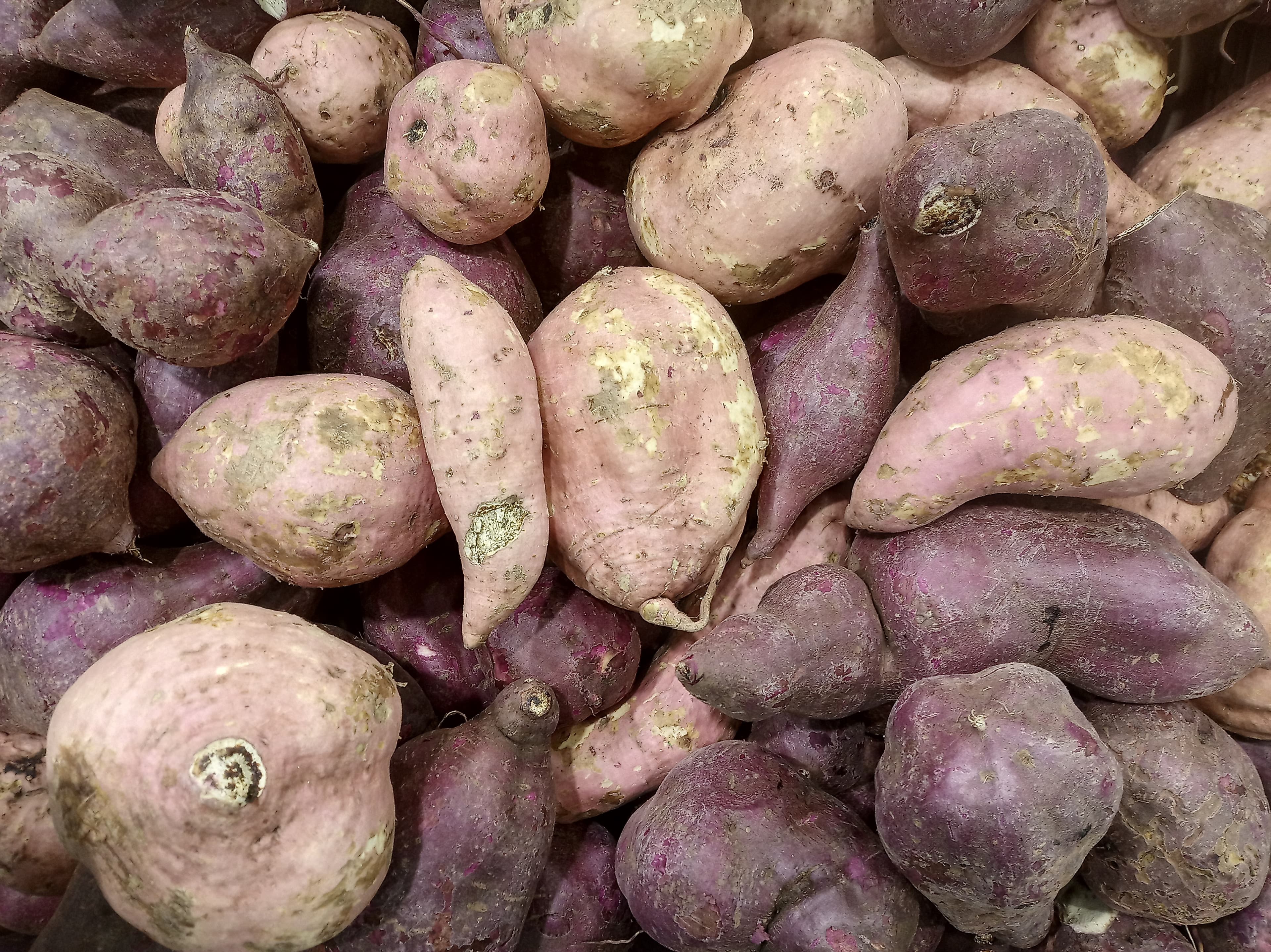
How to Grow Sweet Potatoes: From Slips to Harvest
Sweet potatoes are one of the most rewarding crops you can grow at home. A single planting of these vigorous, sprawling vines can produce a generous haul of nutritious tubers that store for months — and the lush, heart-shaped foliage looks beautiful tumbling out of a bed or container along the way. They're also remarkably low-maintenance once established. Here's everything you need to know to grow your own, from slips to harvest.
Sweet potatoes are not potatoes
Despite the name, sweet potatoes (*Ipomoea batatas*) aren't related to ordinary potatoes at all — they belong to the morning glory family. That matters for how you grow them: instead of planting tubers or seed, you grow sweet potatoes from slips, which are rooted sprouts grown from a mature tuber. They also love heat far more than regular potatoes do, making them a true warm-season crop.
Climate and timing: warmth is everything
Sweet potatoes need a long, warm growing season — typically 90–120 frost-free days — and they thrive in heat that would stress many other vegetables. Soil temperature is the key trigger.
Always confirm your local last-frost date — slips set out into cold soil simply stall.
Growing your own slips
You can buy slips from a garden supplier, or grow your own from an organic sweet potato (conventional ones are sometimes treated to resist sprouting).
1. Suspend a healthy tuber half-submerged in a jar of water using toothpicks, or lay it in a tray of moist potting mix. 2. Keep it warm and bright. In a few weeks, leafy sprouts will emerge. 3. When each sprout is 15–20 cm (6–8 in) long, twist it off and stand it in water for a few days until roots form. 4. Once well-rooted, your slips are ready to plant.
Start this process 6–8 weeks before your intended planting date.
Soil and bed preparation
Sweet potatoes form their tubers in the soil, so loose, well-draining ground gives the best results.
Planting your slips
Set slips 30 cm (12 in) apart, in rows 90 cm (3 ft) apart, planting them deep enough to bury the lower stem with only the top leaves showing. Water them in well. They may wilt for a day or two — this is normal, and they'll perk up as roots take hold.
Growing in containers
Sweet potatoes adapt beautifully to containers, which is great for cooler climates and small spaces. Use a large pot or grow bag of at least 40 litres (10 gallons) per plant, fill with a free-draining mix, and place it in full sun. The trailing vines look ornamental spilling over the edge.
Care through the season
Pests and problems
Sweet potatoes are relatively trouble-free, but watch for:
Harvesting
Tubers are usually ready 90–120 days after planting, often signalled by yellowing leaves. Harvest before the first frost, since cold damages the tubers.
1. Cut back the vines, then loosen the soil gently with a fork well away from the centre of the plant to avoid spearing tubers. 2. Lift carefully by hand — the skins are delicate when freshly dug. 3. Brush off soil but don't wash them yet.
Curing for sweetness and storage
This step is what transforms a freshly dug sweet potato into the sweet, mellow vegetable you want. Curing heals the skin and converts starches to sugars.
Properly cured, sweet potatoes keep for several months — and actually taste better after a few weeks in storage.
Share the abundance
A handful of slips can yield far more sweet potatoes than one household can use, and they store so well that you'll have plenty to spare through autumn and winter. That makes them a perfect crop for swapping and sharing — a basket of homegrown sweet potatoes is a genuinely generous gift to a neighbour.
Want to share your harvest and connect with growers nearby? Join Locavori today and become part of a community that grows, swaps, and shares fresh food together.
Related Posts
How to Prune Tomatoes for a Bigger Harvest
A few minutes of pruning each week channels your tomato plant's energy into bigger, earlier, healthier fruit. Here's exactly how and when to do it.
How to Grow Thyme: A Complete Guide
Thyme is one of the most forgiving herbs you can grow — give it sun and good drainage and it returns year after year. A complete guide to planting, care, and harvesting.
How to Grow Asparagus: A Complete Guide
Plant asparagus once and harvest tender spears every spring for 15–20 years. A complete guide to crowns, planting, care, and that all-important first cut.