
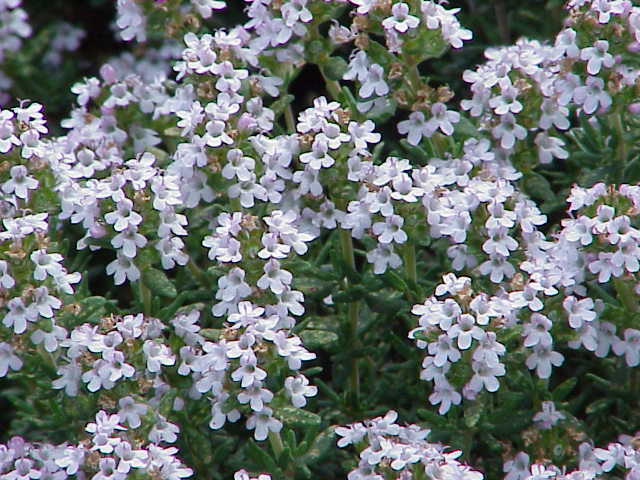
How to Grow Thyme: A Complete Guide
If you only have room for a handful of herbs, thyme earns a permanent spot. This low, woody Mediterranean perennial asks for almost nothing — a sunny corner and soil that drains — yet it gives back year after year, flavouring roasts, soups, and stews, drawing bees to its tiny summer flowers, and staying green through mild winters when most of the garden has packed up.
Whether you garden on a windowsill, a balcony, or a back plot, here's how to grow thyme that thrives, wherever in the world you are.
Why Grow Thyme?
Thyme is one of the most forgiving herbs you can grow. It actively prefers poor, gritty soil and shrugs off drought — the most common way to kill it is kindness in the form of too much water. A single established plant supplies a kitchen for years, and because it's a perennial in most climates, you plant it once rather than every season.
Beyond the kitchen, thyme is a magnet for pollinators. Its small flowers are alive with bees in early summer, making it a quiet workhorse for garden biodiversity. It's also a classic companion plant, said to help deter cabbage worms near brassicas.
Choosing a Variety
There are dozens of thymes, but a few are the workhorses:
For most cooks, common thyme or lemon thyme is the place to start.
Climate and Hardiness
Thyme is hardy across a wide range, roughly USDA zones 5 to 9 (RHS H4–H5), surviving winter temperatures well below freezing once established. In colder regions it may die back in winter and re-sprout in spring; in mild climates it stays evergreen.
In hot, humid climates the main challenge isn't cold but moisture — thyme hates wet, muggy conditions and needs sharp drainage and good airflow to avoid rot.
How to Plant Thyme
From a young plant (easiest): Buying a small plant from a nursery is the simplest route and gives you leaves to harvest right away. Thyme is also very easy to propagate from cuttings or by dividing an established clump in spring.
From seed (cheaper, slower): Thyme seed is tiny and slow to germinate. Sow indoors 6 to 8 weeks before your last frost date.
Spacing: Set plants about 25–30 cm (10–12 in) apart to allow airflow around the foliage.
Growing in Containers
Thyme is superb in pots, which is good news for balcony and patio growers. Use a container with drainage holes and a gritty, free-draining compost — mix in sand or perlite. Crucially, let the top of the soil dry out between waterings. More container thyme dies from soggy roots than from any pest or disease. A pot on a sunny windowsill will keep a kitchen in fresh thyme through much of the year.
Caring for Thyme
Sun: Full sun is essential — at least 6 hours a day. In too much shade, thyme grows leggy and loses its aroma.
Watering: Water young plants until established, then ease right off. Established thyme is drought-tolerant and prefers to dry out between drinks. When in doubt, don't water.
Feeding: Skip it. Thyme grown in rich, heavily fed soil produces soft, floppy growth with weaker flavour. Lean soil makes for the most aromatic leaves.
Pruning: Trim lightly after the plant flowers to keep it compact and stop it turning woody and bare in the centre. Don't cut back hard into old bare wood, which is slow to regrow. A light haircut each year keeps a plant productive for many seasons.
Harvesting and Using Thyme
You can snip sprigs whenever you need them, but flavour is at its peak just before the plant flowers. Cut stems in the morning after the dew has dried. Regular light harvesting actually encourages bushier growth, so don't be shy.
To strip the leaves, run your fingers down a stem against the direction of growth — the small leaves come away easily. Thyme is one of the few herbs that dries beautifully, keeping much of its flavour. Hang small bundles in a dry, airy spot out of direct sun, or lay sprigs on a tray, then store the dried leaves in an airtight jar.
Common Problems
A Herb Made for Sharing
A healthy thyme plant quickly outgrows what one household can use, and it divides and propagates so readily that a single plant can become a dozen. Pot up a few cuttings and pass them to neighbours, or trade a bundle of dried thyme for someone else's surplus tomatoes. Herbs are one of the easiest and most generous things to share on a street of growers.
Thyme rewards a light touch better than almost any plant in the garden. Give it sun, give it drainage, and then mostly leave it alone — and it will flavour your cooking for years to come.
Want to swap cuttings and surplus harvests with growers near you? Join Locavori today and start sharing.
Related Posts
How to Grow Sage: Complete Guide
Sage is a tough, drought-tolerant perennial herb that gives years of harvests. Learn how to plant, grow, harvest, and prune sage in gardens or containers.
How to Grow Fennel: From Seed to Harvest
Feathery, aromatic, and surprisingly easy, fennel gives you a herb, a vegetable, and a pollinator magnet in one plant. Here's how to grow it and get fat, sweet bulbs.
How to Grow Oregano: A Complete Guide
Oregano is a hardy, drought-tolerant perennial that thrives on neglect and comes back year after year. Here's how to grow, harvest, and dry it for the fullest flavour.