
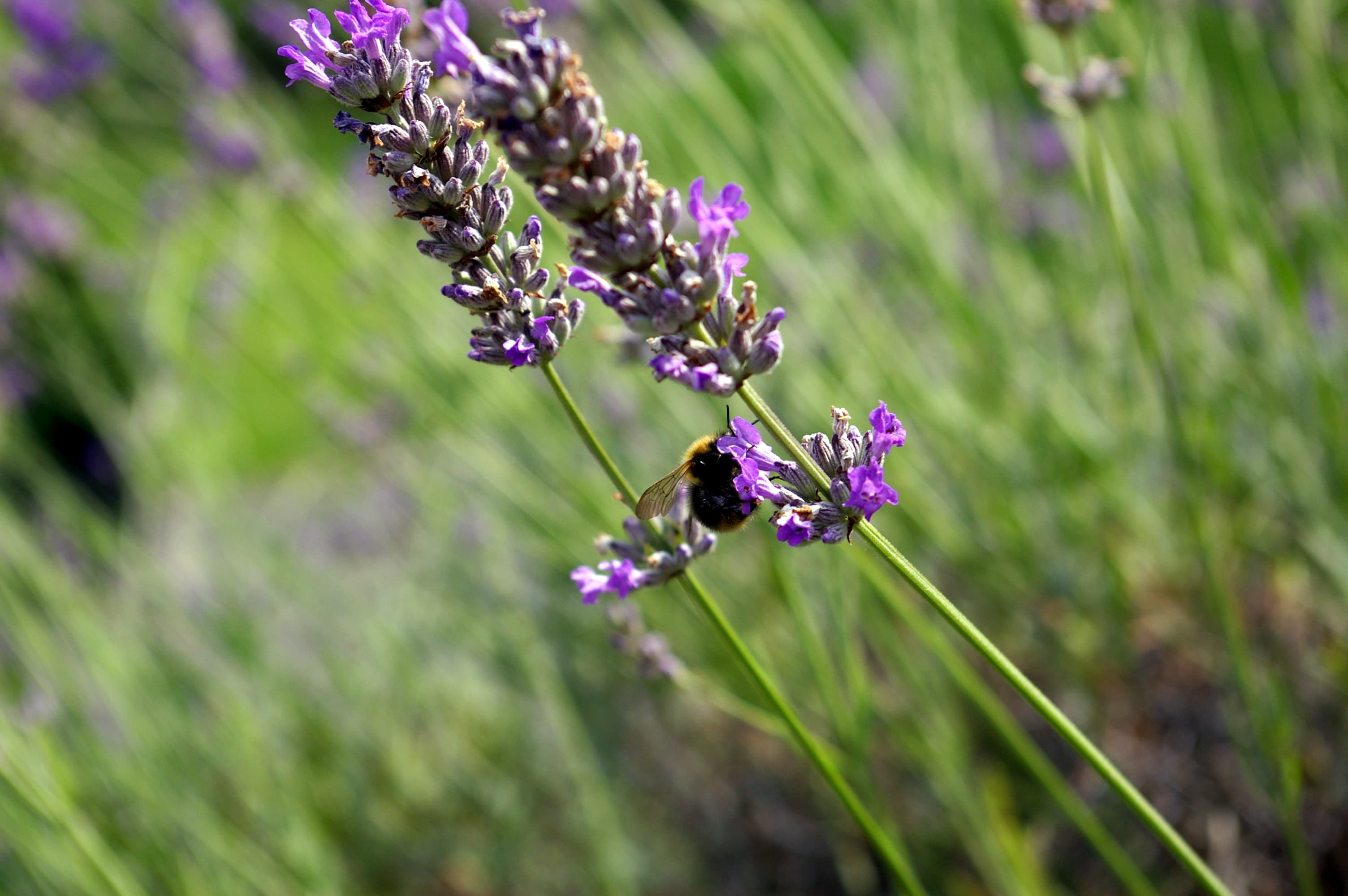
How to Attract Pollinators to Your Garden
If you grow vegetables and fruit, pollinators are your unpaid, hardworking partners. Bees, hoverflies, butterflies, moths, and beetles move pollen from flower to flower, and without that quiet work many of your favourite crops simply won't set fruit. Zucchini/courgette, cucumbers, squash, tomatoes, beans, strawberries, apples — all of them produce far more when pollinators are nearby.
The good news is that attracting them is one of the easiest and most joyful things you can do in a garden. A few thoughtful choices turn even a small balcony into a buzzing, fluttering pit stop.
Why pollinators matter in the vegetable garden
Around three-quarters of the world's flowering plants and a large share of food crops depend on animal pollination. In your own beds, the difference is obvious: a well-pollinated zucchini/courgette plant pumps out fruit for weeks, while a poorly pollinated one drops tiny, shrivelled fruitlets that never swell.
Pollinator numbers have declined in many regions due to habitat loss, pesticides, and disease. Your garden, however small, can be part of the solution — a stepping stone of food and shelter in a landscape that often has too little of both.
1. Plant a long season of flowers
The single most effective thing you can do is offer nectar and pollen from early spring through autumn/fall. Pollinators need food across the whole season, not just for a few weeks in summer.
Aim for at least three different plants in flower at any given time. Let a few herbs and even some vegetables — basil, cilantro (coriander), arugula (rocket), brassicas — bolt and bloom at the end of their lives; their flowers are pollinator magnets.
2. Choose flowers pollinators can actually use
Not every pretty flower feeds insects. Many showy, double-petalled hybrids have been bred for looks at the expense of nectar, or pack their petals so tightly that bees can't reach in.
3. Grow native and regionally adapted plants
Local pollinators evolved alongside local plants, so a mix that suits your region and climate will always outperform a generic flower list. Native wildflowers tend to need less water and care, too. Check with your regional extension service, botanical garden, or a native-plant society for species suited to your area and USDA hardiness zone (or RHS rating). A handful of natives among your ornamentals makes a real difference.
4. Build in some structure and shelter
Pollinators need more than food — they need places to nest, rest, and shelter.
5. Put away the pesticides
Broad-spectrum insecticides don't distinguish between pests and the pollinators you're trying to attract. Even some "organic" sprays harm bees if applied while flowers are open.
6. Hand-pollinate when you need a boost
On cool, wet days, or for greenhouse and balcony crops where insects are scarce, you can step in yourself. Squash-family plants are the classic example: identify the male flowers (a plain stem behind the bloom) and female flowers (a tiny fruit behind the bloom), then transfer pollen with a small soft brush or by gently touching the flowers together in the morning. It takes seconds and dramatically improves fruit set when natural pollination falls short.
A small balcony counts too
No yard? No problem. A few pots of lavender, thyme, and a single-flowered cosmos on a sunny balcony will draw bees several storeys up. Window boxes of nectar-rich herbs do the same. Pollinators travel surprisingly far, and every patch of bloom helps knit a city together into something they can survive in.
The ripple effect
A pollinator-friendly garden is more productive, more resilient, and far more alive. You'll notice it the moment you step outside: the hum, the flicker of wings, the steady traffic of bees working your beans and squash. You're not just growing more food — you're helping rebuild a network that your whole neighbourhood's gardens depend on.
And when those well-pollinated plants start producing more than you can eat, that abundance is meant to be shared.
Want to share your harvest and connect with growers near you? Join the Locavori community today and help your neighbourhood grow — for people and pollinators alike.
Related Posts
Common Tomato Problems and How to Fix Them
Black patches, split skins, yellow leaves, flowers that never set fruit — the eight tomato problems every grower meets, and what actually fixes each one.
How to Get Rid of Powdery Mildew: Organic Prevention and Treatment
That white dust on your squash and cucumber leaves is powdery mildew — the most common fungal disease in home gardens. Here's how to prevent it, treat it organically, and know when to just let it go.
How to Get Rid of Aphids Naturally
Aphids are the home garden's most common pest — but you can control them without synthetic chemicals. Here are the organic methods that actually work.