
How to Grow Dill: From Seed to Harvest
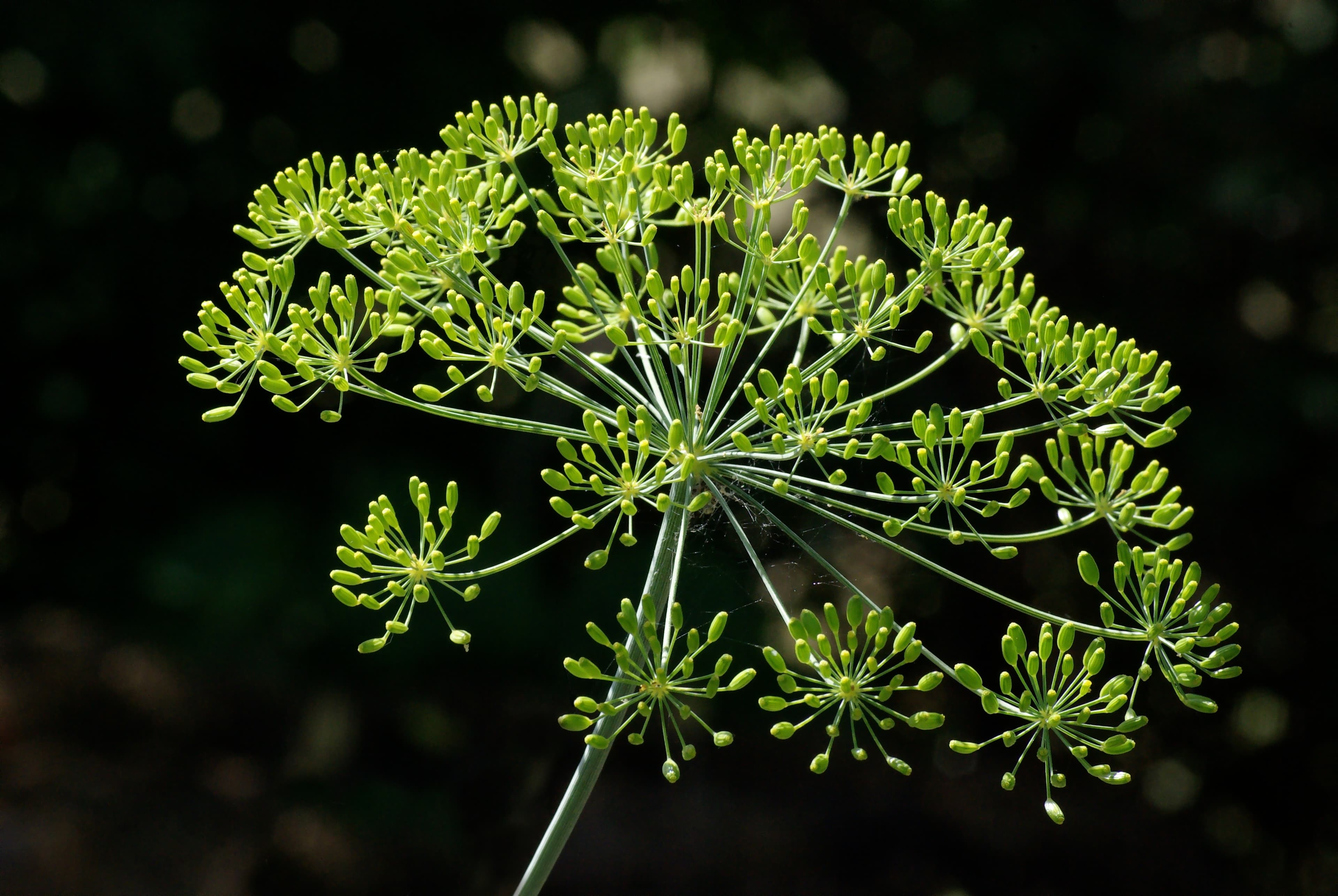
Dill is one of those herbs that earns its place in the garden many times over. Its feathery, blue-green foliage smells wonderful, its flat golden flower heads draw in pollinators and beneficial insects, and both the leaves and seeds flavour everything from pickles and potato salad to fish and fresh dressings. It's fast, forgiving, and grows happily in a garden bed, a raised bed, or a pot on a sunny balcony.
If you grow cucumbers, dill is practically essential — the two are a classic pairing for homemade pickles, and they're ready at the same time of year. Best of all, dill is an annual that grows quickly from seed, so you can be harvesting fresh leaves just a few weeks after sowing.
Why Grow Dill?
Dill (*Anethum graveolens*) is an aromatic annual herb in the same family as carrots, parsley, and fennel. There are two main reasons gardeners love it:
On top of its culinary value, dill is a magnet for beneficial insects. Its umbrella-shaped flowers attract hoverflies, lacewings, parasitic wasps, and bees — natural allies that help keep aphids and other pests in check. It's an excellent companion plant for cabbage-family crops.
When to Plant
Dill grows best in the warmth of late spring and summer.
Dill dislikes cold soil and the disturbance of transplanting, so it's nearly always best sown directly where it's to grow. Wait until any danger of frost has passed and the soil has warmed to at least 15°C (60°F). Check your local last-frost date if you're unsure.
How to Sow Dill
Dill develops a long taproot and resents being moved, so direct sowing gives the best results:
1. Choose a sunny spot with light, free-draining soil. Dill tolerates poorer soils and doesn't need heavy feeding. 2. Sow seeds thinly, about 1 cm (½ in) deep, in rows or a small patch. 3. Keep the soil lightly moist. Seeds germinate in 10 to 14 days. 4. Thin seedlings to about 20–30 cm (8–12 in) apart once they're a few centimetres tall.
For containers, choose a pot at least 25–30 cm (10–12 in) deep to give that taproot room, and use a free-draining compost.
Succession Sowing for a Steady Supply
Here's the key to never running out: dill grows fast and then "bolts" (runs to flower) in hot weather, after which leaf production slows. To keep a constant supply of fresh leaves, sow a small pinch of seed every 3 to 4 weeks through spring and summer. This succession planting means there's always a young, leafy plant coming on while older ones flower and set seed.
Caring for Your Dill
Sun: Dill needs full sun — at least 6 hours a day — for the best flavour and sturdiest growth.
Watering: Keep young plants evenly moist. Established dill is fairly drought-tolerant, but consistent watering delays bolting and keeps leaves tender.
Feeding: Go easy. Dill actually produces more aromatic foliage in lean soil, so avoid heavy nitrogen feeds.
Support: Tall varieties can reach 90–120 cm (3–4 ft) and may flop in wind. A few twiggy sticks or a single stake keeps them upright.
Wind shelter: Those hollow stems are brittle, so a sheltered spot helps.
Common Problems
Dill is largely trouble-free, but watch for:
Harvesting Leaves and Seeds
For leaves: Start snipping once the plant has several feathery fronds, usually 6 to 8 weeks after sowing. Take outer leaves first and harvest in the morning when the aromatic oils are strongest. Use fresh — dill leaves lose flavour quickly when dried, though they freeze well.
For seeds: Let the plant flower and form seed heads. When the seeds turn tan and start to dry on the plant, snip the whole head into a paper bag and hang it somewhere warm and airy. Shake out the dried seeds after a week or two and store them in an airtight jar.
If you leave a few seed heads to scatter, dill will often self-sow and return next year all on its own.
Grow, Share, and Connect
A single patch of dill quickly produces far more than one kitchen needs — and a fragrant bunch of fresh herbs is one of the loveliest things to share with a neighbour. Pair it with a few homegrown cucumbers and you've got the makings of a pickle swap.
That's the heart of Locavori: connecting people who grow food with neighbours nearby, so your surplus herbs, vegetables, and seeds become swaps, gifts, and new friendships. Whether you've got extra dill, spare seedlings, or simply want to meet fellow growers in your area, there's a place for you.
🌿 Join Locavori today and turn your homegrown harvest into a thriving local food-sharing community.
Related Posts
How to Grow Sage: Complete Guide
Sage is a tough, drought-tolerant perennial herb that gives years of harvests. Learn how to plant, grow, harvest, and prune sage in gardens or containers.
How to Grow Fennel: From Seed to Harvest
Feathery, aromatic, and surprisingly easy, fennel gives you a herb, a vegetable, and a pollinator magnet in one plant. Here's how to grow it and get fat, sweet bulbs.
How to Grow Oregano: A Complete Guide
Oregano is a hardy, drought-tolerant perennial that thrives on neglect and comes back year after year. Here's how to grow, harvest, and dry it for the fullest flavour.