
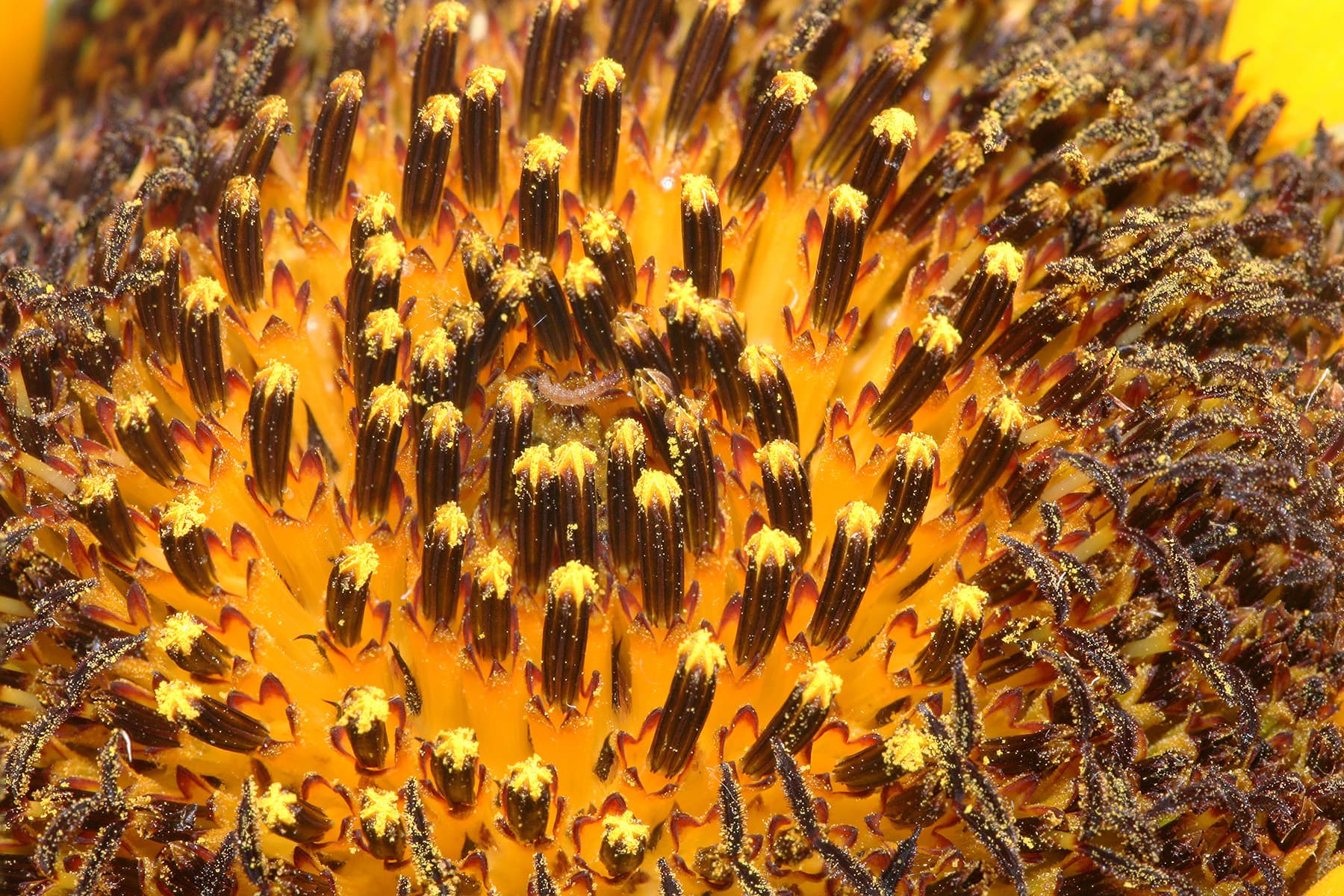
How to Grow Sunflowers: Complete Guide
Few plants deliver as much joy for as little effort as the sunflower. Tall, cheerful, and irresistible to bees and birds, sunflowers (*Helianthus annuus*) are one of the most beginner-friendly crops you can grow — and one of the most rewarding to share with neighbours. Whether you want towering giants for a back fence, branching varieties for cut-flower bouquets, or oil-rich seeds to harvest and roast, this guide covers everything from seed to seed.
Why grow sunflowers?
Sunflowers earn their place in any food-growing space. They attract pollinators that boost yields on nearby tomatoes, squash, and beans; their seeds feed both you and visiting birds; and their tall stems make a natural living trellis for climbing crops. They're also fast — many varieties go from seed to bloom in 70 to 95 days — which makes them perfect for impatient first-time growers and children alike.
Choosing a variety
Pick a variety that matches your space and goal:
When and where to plant
Sunflowers are warm-season annuals that hate frost. Sow seeds outdoors only after your local last-frost date has passed and the soil has warmed to at least 12–15°C (55–60°F). In the Northern Hemisphere that's typically late spring to early summer; in the Southern Hemisphere, sow from mid- to late spring. If you're unsure, check your USDA hardiness zone or RHS zone and your regional frost calendar — a quick local search is always worth it.
Choose the sunniest spot you have. Sunflowers need 6 to 8 hours of direct sun a day, and the name is literal: young plants track the sun across the sky. They tolerate most soils but prefer well-drained ground enriched with compost. Avoid frost pockets and very windy sites, or stake tall varieties to keep them upright.
How to sow
Sunflowers resent root disturbance, so direct sowing is usually best:
1. Loosen the soil and mix in a few centimetres (an inch or two) of compost. 2. Sow seeds 2.5 cm (1 in) deep, spacing them 15 cm (6 in) apart for cutting varieties and 30–45 cm (12–18 in) apart for giants. 3. Water gently and keep the soil moist until seedlings emerge, usually in 7 to 14 days. 4. Once seedlings have two sets of true leaves, thin to the strongest plants at the final spacing above.
In short-season climates, you can start seeds indoors in biodegradable pots 2 to 3 weeks before your last frost, then transplant carefully to avoid breaking the taproot.
Succession tip: sow a fresh row every 2 to 3 weeks until about 80 days before your first expected autumn/fall frost. This staggers your blooms so you have flowers — and pollinators — all season long.
Caring for your plants
Sunflowers are tough, but a little attention pays off:
Common problems and organic fixes
Harvesting seeds
If you're growing for seed, let the flower fade and watch the back of the head turn from green to yellow-brown, with the small florets drying and falling away. Either cut the head with 30 cm (12 in) of stem and hang it upside down in a dry, airy place, or cover it with a paper bag to catch falling seeds and protect it from birds. Once fully dry, rub the seeds free with your hands. Roast them for snacking, save some for next year, or leave a few heads standing as winter food for birds.
Share the harvest
Sunflowers are made for sharing. A single giant head can yield hundreds of seeds — far more than one household needs — and a branching variety produces armfuls of cut flowers all summer. Swap seeds with neighbours, gift bouquets, or trade a bundle for someone else's tomatoes. That's exactly the kind of small, generous exchange that turns a street of gardeners into a community.
Ready to grow more food and share the surplus with people near you? Join Locavori free and connect with neighbours who grow, swap, and share homegrown produce.
Related Posts
How to Grow Mushrooms at Home: A Beginner's Guide
Mushrooms need no sunlight, no garden and barely any space. Here's how to grow oyster mushrooms indoors in under a month — and what to do with the glut.
How to Grow Fennel: From Seed to Harvest
Feathery, aromatic, and surprisingly easy, fennel gives you a herb, a vegetable, and a pollinator magnet in one plant. Here's how to grow it and get fat, sweet bulbs.
How to Grow Oregano: A Complete Guide
Oregano is a hardy, drought-tolerant perennial that thrives on neglect and comes back year after year. Here's how to grow, harvest, and dry it for the fullest flavour.