
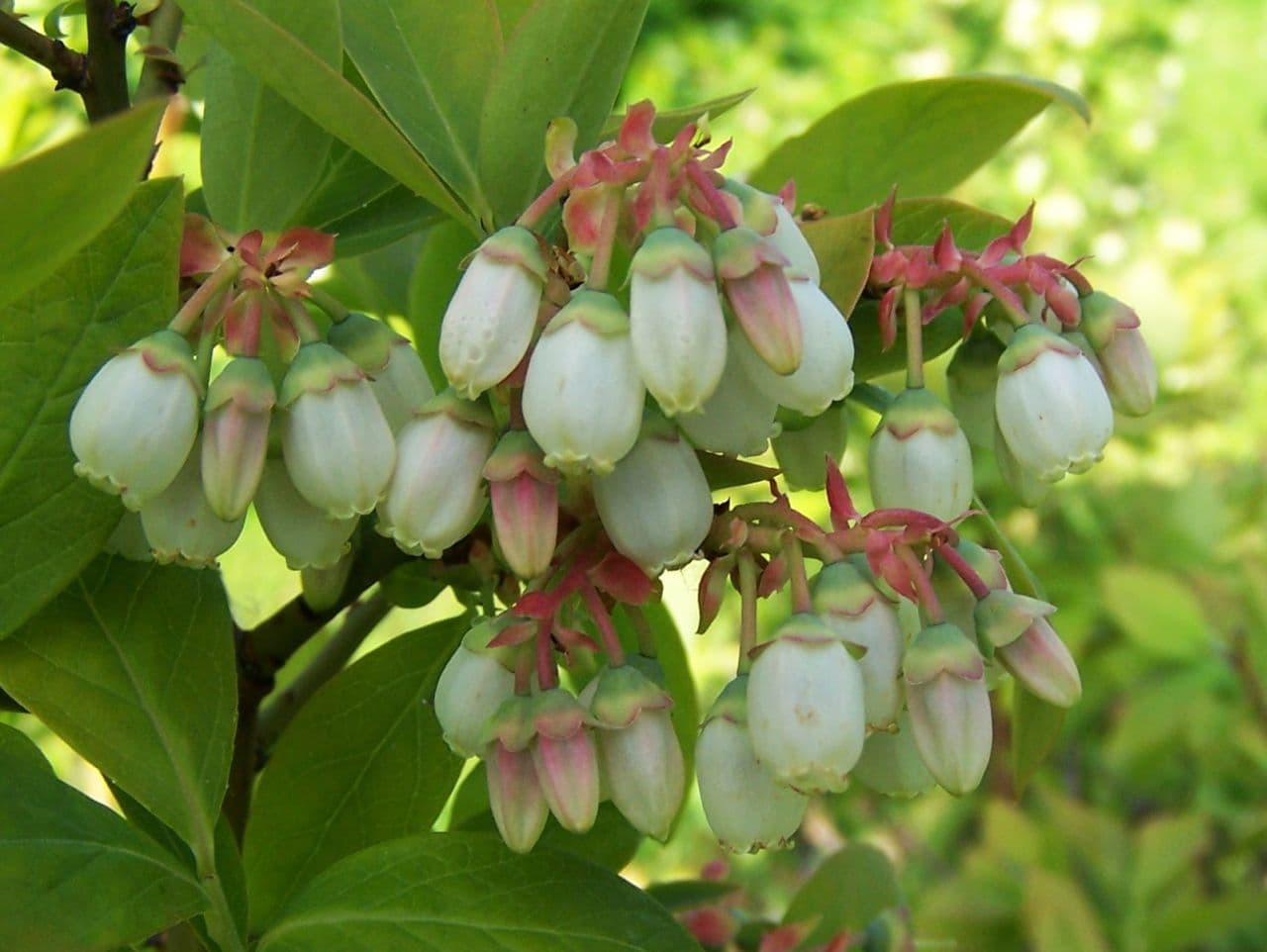
How to Grow Blueberries in Containers
Few crops reward a little patience like the blueberry. A well-tended bush can crop for 20 years or more, and the good news for anyone without a sprawling yard is that blueberries are arguably *easier* to grow in containers than in the ground. The reason is simple: blueberries demand acidic soil, and a pot lets you give them exactly the conditions they crave without rebuilding your whole garden. Whether you're on a balcony, a patio, or a small back step, here's how to grow a thriving crop of your own.
Why containers suit blueberries so well
Blueberries (*Vaccinium*) evolved in acidic woodland soils with a pH between 4.5 and 5.5 — far more acidic than most garden beds. In a container, you control the growing medium completely, so you can hit that sweet spot from day one. Pots also offer sharp drainage (blueberries hate soggy roots) and let you move plants to the sunniest spot or shelter them from a late frost.
The trade-off is that container plants depend entirely on you for water and feeding. Get those two things right and the rest is straightforward.
Choosing the right variety
Blueberries fall into a few broad groups, and matching one to your climate matters more than almost anything else:
For containers, look for compact or dwarf cultivars that stay under 1.2 m (4 ft). And here's a key tip: while many modern varieties are self-fertile, you'll get a noticeably bigger harvest by growing two different varieties that flower at the same time, so they cross-pollinate.
Pot, soil, and planting
The pot. Start with a container at least 30–40 cm (12–16 in) wide and deep. A young plant can begin in something smaller, but it will eventually want a 45–50 cm (18–20 in) pot. Make sure there are generous drainage holes.
The soil. This is non-negotiable: use an ericaceous (acidic) potting mix, sold for rhododendrons, azaleas, and camellias. Standard multipurpose compost is too alkaline and will slowly starve the plant, turning leaves yellow. You can lighten the mix with a little composted bark or perlite for drainage.
Planting. Tease out any circling roots, set the plant at the same depth it sat in its nursery pot, firm gently, and water in well. Top with a 5 cm (2 in) mulch of pine bark, pine needles, or composted leaves to lock in moisture and keep the soil acidic.
Watering: the make-or-break factor
Blueberries have shallow, fibrous roots that dry out fast in pots. Aim to keep the soil consistently moist but never waterlogged — think of a wrung-out sponge.
The single most important rule: water with rainwater whenever possible. Tap water in many regions is slightly alkaline and, used over months, will creep the soil pH upward and undo all your good work. A water butt or collection barrel is the ideal companion to a blueberry pot. If you must use tap water during a dry spell, that's fine occasionally — just return to rainwater as soon as you can.
In hot weather, container blueberries may need watering daily. Mulch helps enormously.
Feeding and ongoing care
Feed in spring and early summer with a fertiliser formulated for ericaceous (acid-loving) plants, following the label rate. Avoid general-purpose feeds high in nitrate, which blueberries struggle to use. Stop feeding by mid- to late summer so the plant can harden off before winter.
Sun. Give your bush a spot with at least 6 hours of direct sun a day for the sweetest, most abundant berries.
Winter. Most blueberries are hardy and actually *need* a cold spell to fruit well. In very cold regions, the main risk is the roots freezing solid in an exposed pot — move containers against a sheltered wall or wrap them with fleece or bubble insulation. In mild-winter regions, choose southern highbush or rabbiteye types that need less chill.
Pruning for years of good crops
For the first two years, do almost nothing beyond removing any dead or damaged stems — let the plant build a strong framework. From year three onward, prune in late winter while the plant is dormant:
A light annual prune keeps the bush vigorous and productive for decades.
Protecting your harvest
Berries ripen over several weeks in mid- to late summer. The flavour difference between a fully ripe, freshly picked blueberry and a supermarket one is genuinely startling — wait until they're deep blue and come away with the gentlest tug.
Your main competition is birds, who will happily strip a bush. Drape netting over the plant as the fruit begins to colour, or grow it inside a simple fruit cage. A ripe container blueberry, warm from the sun, is one of the great small pleasures of growing your own.
Start your container patch
You don't need acres — just a sunny corner, the right pot, and a bag of acidic mix. A pair of dwarf blueberry bushes can hand you fresh fruit summer after summer, and there's always extra to share with a neighbour when the crop comes in.
Ready to grow more of your own food and swap the surplus with people nearby? Join Locavori today and connect with growers in your neighbourhood.
Related Posts
How to Grow Sage: Complete Guide
Sage is a tough, drought-tolerant perennial herb that gives years of harvests. Learn how to plant, grow, harvest, and prune sage in gardens or containers.
How to Grow Rhubarb: A Complete Guide
Plant rhubarb once and harvest tart, ruby stalks for a decade. Here's how to grow, force, and harvest this low-maintenance perennial.
How to Grow Cantaloupe (Muskmelon) at Home
Sweet, fragrant, vine-ripened cantaloupe is well within reach for home gardeners. Learn how to plant, grow, pollinate, and harvest muskmelons for the best flavour.