
How to Grow Cantaloupe (Muskmelon) at Home
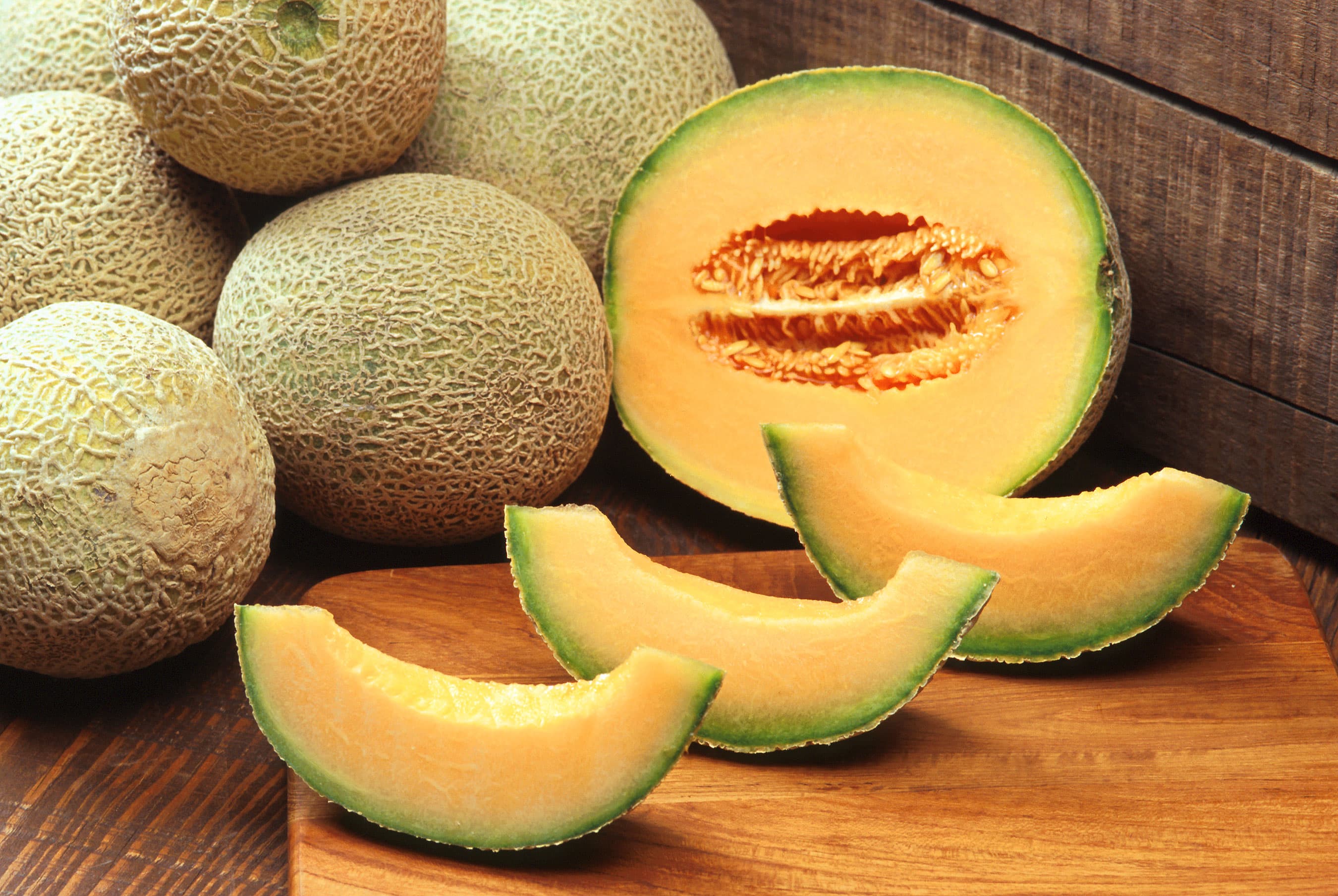
Few things capture the taste of summer like a ripe cantaloupe (also called muskmelon or rockmelon) cut straight from your own garden. The fruit you grow at home is sweeter and more fragrant than anything you'll find at the store, because you can let it ripen fully on the vine. Cantaloupes have a reputation for being tricky, but with warm soil, full sun, and a little patience, they're well within reach for most home gardeners.
This guide walks you through everything from sowing to that satisfying first harvest.
Why Grow Cantaloupe at Home
Store-bought melons are usually picked under-ripe so they survive shipping, which is why they often taste bland. A homegrown cantaloupe, harvested at peak ripeness, is in a different league entirely — honey-sweet, juicy, and intensely aromatic. One or two healthy plants can produce four to eight melons over a season, more than enough to share with neighbours.
Melons are also a generous crop in the spirit of food sharing: they ripen in flushes, so you'll often have several ready at once.
When to Plant
Cantaloupes are warm-season lovers with zero tolerance for frost. They need a long, hot growing season — roughly 70 to 90 days from transplant to harvest.
If your season is short, choose fast-maturing varieties like 'Minnesota Midget' or 'Hale's Best Jumbo'.
Starting From Seed
Cantaloupes dislike root disturbance, so plan accordingly.
1. Sow in biodegradable pots (peat or paper) so you can plant the whole pot without disturbing roots. Plant seeds 1–2 cm (½ in) deep, two seeds per pot. 2. Keep them warm. A heat mat that holds 24–29°C (75–85°F) speeds germination, which usually takes 5–10 days. 3. Thin to the strongest seedling once the first true leaves appear. 4. Harden off for a week before transplanting — gradually expose seedlings to outdoor conditions so they aren't shocked.
In long, hot-summer regions you can sow seeds directly outdoors once the soil is reliably warm.
Soil, Sun, and Spacing
Melons are hungry, thirsty plants that demand the sunniest spot you have.
If space is tight, cantaloupes can be trained up a sturdy trellis. Support each developing fruit in a fabric sling or old mesh bag so the weight doesn't snap the vine — a great trick for small yards and balconies.
Watering and Feeding
Consistent moisture is the key to plump, sweet fruit.
Pollination
Cantaloupes produce separate male and female flowers, and they rely on bees to move pollen between them. To support good fruit set:
Common Problems
How to Tell When It's Ripe
This is where homegrown melons shine. A cantaloupe is ready when:
Pick in the morning when sugars are highest, and enjoy at room temperature for the fullest flavour.
Start Growing — and Sharing
A single well-tended cantaloupe plant can reward you with more sweet, sun-warmed fruit than one household can eat — which makes it a perfect crop to grow alongside neighbours. Swap a melon for someone's surplus tomatoes or herbs, and you've turned a backyard harvest into a community moment.
Ready to grow more food and share the surplus with people nearby? Join Locavori today and connect with growers in your neighbourhood.
Related Posts
How to Grow Fennel: From Seed to Harvest
Feathery, aromatic, and surprisingly easy, fennel gives you a herb, a vegetable, and a pollinator magnet in one plant. Here's how to grow it and get fat, sweet bulbs.
How to Grow Oregano: A Complete Guide
Oregano is a hardy, drought-tolerant perennial that thrives on neglect and comes back year after year. Here's how to grow, harvest, and dry it for the fullest flavour.
How to Grow Chives: Complete Guide
Chives are one of the easiest, most rewarding herbs to grow — a hardy perennial that returns every year. Here's how to grow them from seed to harvest in beds, pots, or on a windowsill.