
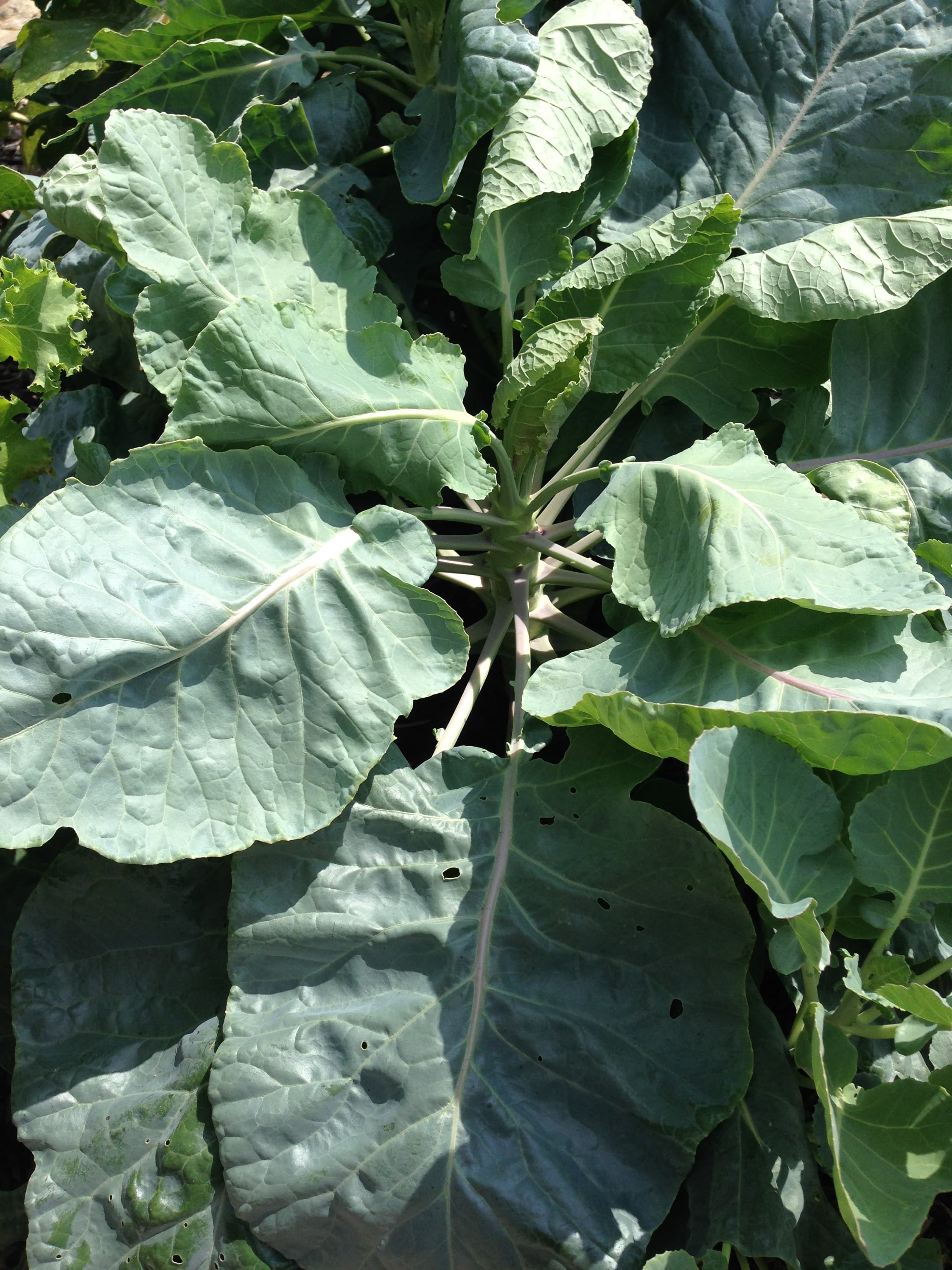
How to Grow Brussels Sprouts: Complete Guide
Brussels sprouts have a reputation for being tricky, but the truth is they're one of the most rewarding vegetables you can grow. A single plant produces dozens of tight little cabbage-like buds along a tall central stalk, and they actually taste *better* after a touch of frost. Best of all, they're a long-season crop that you sow in early-to-mid summer and harvest deep into autumn and winter — exactly when most of the garden has wound down.
If you've only ever eaten the mushy, overcooked sprouts of childhood memory, growing your own will change your mind completely. Freshly harvested and lightly roasted, they're nutty, sweet, and nothing like the frozen kind.
Why Brussels Sprouts Are Worth Growing
Brussels sprouts (*Brassica oleracea* var. *gemmifera*) are a member of the cabbage family, alongside broccoli, kale, and cauliflower. They're packed with vitamin C, vitamin K, and fibre, and a healthy plant keeps producing for weeks — you pick the lower sprouts first and work your way up the stalk.
Because they mature in cool weather, they fill the "hungry gap" when little else is ready. In many regions you'll be harvesting fresh, homegrown sprouts for your winter holiday meals.
When to Plant
Brussels sprouts need a long growing season — typically 90 to 180 days from transplant to harvest, depending on the variety. The key is timing the harvest for cool autumn and winter weather.
Wherever you live, count back from your first expected autumn frost and aim to have plants transplanted at least 3 months before. Check your local last- and first-frost dates — they vary enormously by region and USDA hardiness zone (or RHS zone in the UK).
Starting From Seed
Sow seeds 1 cm (½ in) deep in module trays or small pots of moist seed compost. Keep them at around 18–21°C (65–70°F) and they'll germinate in 5 to 10 days.
Once seedlings have two or three true leaves, move them to slightly larger pots if needed, and harden them off over a week before transplanting outdoors.
Transplanting and Spacing
Brussels sprouts grow into tall, top-heavy plants, so they need space and firm soil:
They're hungry plants that prefer rich, firm, well-drained soil with a near-neutral pH of 6.5–7.0. Dig in plenty of compost or well-rotted manure before planting.
Caring for Your Plants
Watering: Keep the soil consistently moist, especially during dry spells. Aim for around 2–3 cm (1 in) of water per week. Mulching helps lock in moisture and suppress weeds.
Feeding: A few weeks after transplanting, feed with a balanced or nitrogen-rich fertiliser to fuel leafy growth. Switch to a lower-nitrogen feed as sprouts begin to form.
Staking: Tall varieties can topple in wind or wet soil. Earth up the base of the stem and stake plants individually if your garden is exposed.
Removing yellow leaves: Pick off any yellowing lower leaves through the season to improve airflow and reduce hiding spots for pests.
Common Pests and Problems
As brassicas, Brussels sprouts attract the usual cabbage-family pests:
Good airflow, netting, and crop rotation prevent the vast majority of problems.
Harvesting Brussels Sprouts
Sprouts mature from the bottom of the stalk upwards. Start picking when the lowest buds are firm, tight, and about 2.5–4 cm (1–1½ in) across — roughly the size of a large marble.
Snap or twist each sprout off cleanly, working your way up the stalk over several weeks. A light frost actually sweetens the flavour by converting starches to sugars, so don't rush to harvest everything at once.
At the end of the season, you can cut the leafy top off the plant and cook it like cabbage — nothing goes to waste. For a single big harvest, pinch out the growing tip about 4–6 weeks before you want all the sprouts to mature at the same size.
Grow, Share, and Connect
A productive Brussels sprout plant gives you far more than one household can eat in a sitting — which makes it a perfect crop to share. A stalk of fresh sprouts is a generous, welcome gift for a neighbour, especially around the winter holidays.
That's exactly what Locavori is for: connecting people who grow food with neighbours nearby, so a surplus harvest becomes a swap, a gift, or the start of a friendship. Whether you've got too many sprouts, spare seedlings, or simply want to meet fellow growers in your area, there's a place for you.
🌱 Join Locavori today and turn your homegrown harvest into a thriving local food-sharing community.
Related Posts
How to Grow Fennel: From Seed to Harvest
Feathery, aromatic, and surprisingly easy, fennel gives you a herb, a vegetable, and a pollinator magnet in one plant. Here's how to grow it and get fat, sweet bulbs.
How to Grow Oregano: A Complete Guide
Oregano is a hardy, drought-tolerant perennial that thrives on neglect and comes back year after year. Here's how to grow, harvest, and dry it for the fullest flavour.
How to Grow Chives: Complete Guide
Chives are one of the easiest, most rewarding herbs to grow — a hardy perennial that returns every year. Here's how to grow them from seed to harvest in beds, pots, or on a windowsill.