
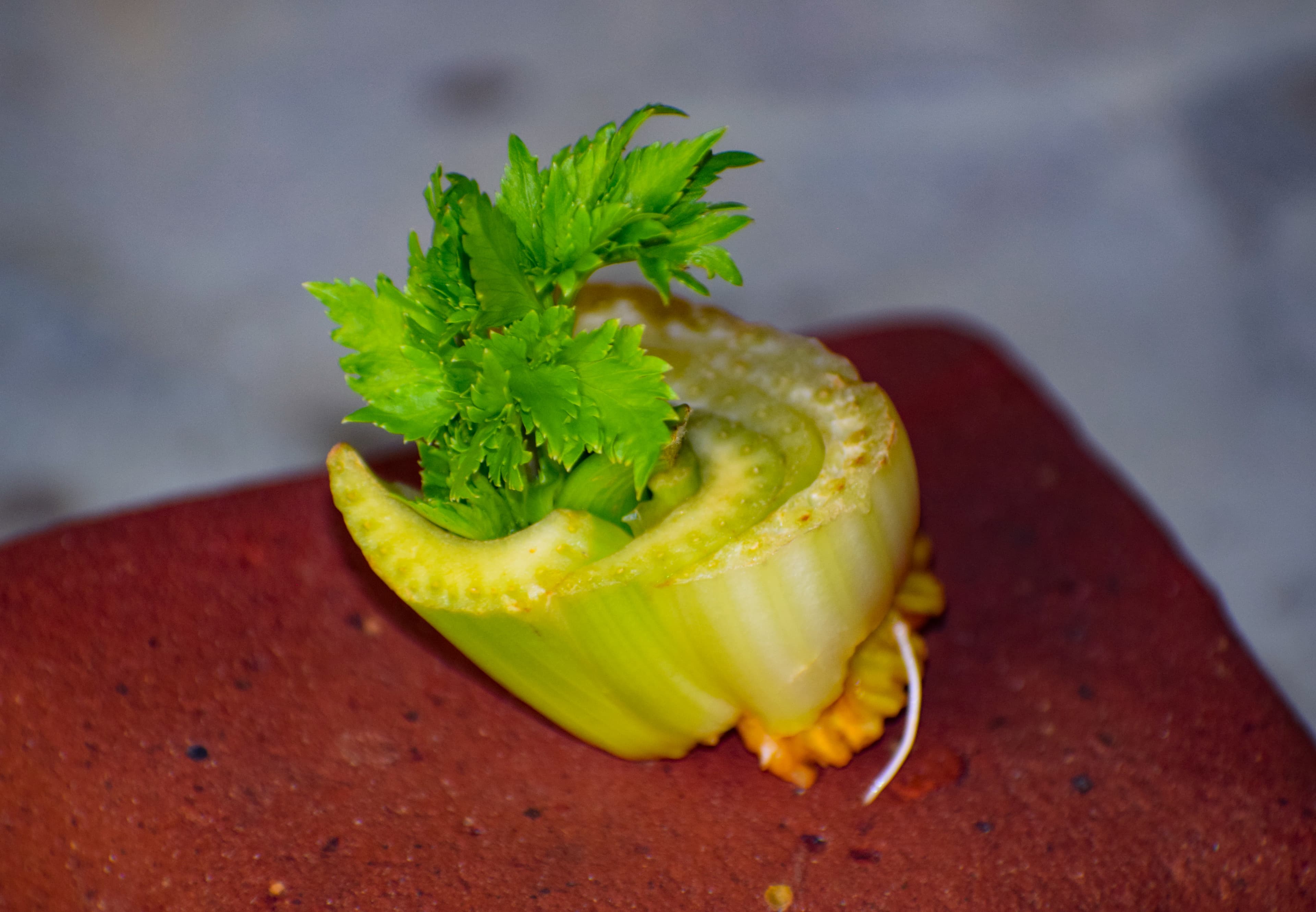
How to Grow Celery: From Seed to Harvest
Crisp, crunchy, and far more flavourful than anything wrapped in plastic at the supermarket, homegrown celery is one of those crops that rewards patience. It has a reputation for being fussy, but once you understand what it actually wants — steady moisture, rich soil, and cool weather — it becomes far more forgiving. Whether you grow it for crunchy raw stalks, soup bases, or the intensely aromatic leaves, celery earns its place in any home garden.
Why grow your own celery?
Celery is a thirsty, hungry plant that grows slowly, which is exactly why it can be expensive to buy. Growing your own means you can harvest stalk by stalk as you need them rather than buying a whole head that wilts in the fridge. Homegrown celery also tends to be more flavourful and less stringy, and you get the bonus of the leaves, which most stores trim away. Those leaves are a fantastic herb in their own right.
Choosing a variety
There are two broad types to know about:
There's also leaf celery (also called cutting celery), a tougher, smaller plant grown purely for its flavour-packed leaves — wonderfully low-maintenance.
When to plant
Celery is a cool-season crop with a long growing season of roughly 100–140 days. It hates both hard frost and intense heat, so timing matters.
Always check your local last-frost date rather than relying on a calendar month. A sudden cold snap below 5°C (41°F) for an extended period can trigger celery to bolt (run to seed) prematurely.
Starting from seed
Celery seed is tiny and slow to germinate — be patient.
1. Sow seeds on the surface of moist seed compost and press them in gently; they need light to germinate, so barely cover them. 2. Keep at 18–21°C (65–70°F). Germination can take 2–3 weeks. 3. Keep the surface consistently damp — never let it dry out. 4. Prick out seedlings into individual cells once they have two true leaves. 5. Harden off gradually over 7–10 days before transplanting.
Planting out
Celery craves rich, moisture-retentive soil. Dig in plenty of well-rotted compost or manure before planting. Space plants about 25 cm (10 in) apart in blocks rather than rows — for self-blanching types, growing them close together helps the plants shade each other and keep the stalks tender.
Choose a spot in full sun, though in hot climates a little afternoon shade helps prevent stress.
Watering and feeding
This is where most celery problems begin and end: water. Celery is around 95% water and will not produce good stalks if it dries out. Inconsistent watering leads to stringy, bitter, hollow stalks.
Blanching for tender stalks
Blanching means excluding light from the lower stalks so they stay pale, sweet, and tender rather than green and bitter. With self-blanching varieties this is largely unnecessary, but if you want extra-tender stalks:
Keep soil out of the heart of the plant to avoid rot.
Common problems
Harvesting
You can begin harvesting outer stalks once they reach a usable size — there's no need to wait for the whole head. Cut individual stalks at the base, or lift the entire plant before hard frost. Leaf celery can be cut repeatedly, cut-and-come-again style.
Celery stores well in the fridge wrapped in a damp cloth, and the leaves dry beautifully for use as a seasoning all winter.
A crop worth sharing
Because a single sowing can give you more celery than one household needs, it's a perfect candidate for swapping with neighbours — trade a bunch of crunchy stalks for someone's surplus tomatoes or herbs. That's the heart of growing your own: more food, less waste, and a stronger community around it.
Ready to grow, swap, and share your harvest with people nearby? Join Locavori today and connect with growers in your neighbourhood.
Related Posts
How to Grow Fennel: From Seed to Harvest
Feathery, aromatic, and surprisingly easy, fennel gives you a herb, a vegetable, and a pollinator magnet in one plant. Here's how to grow it and get fat, sweet bulbs.
How to Grow Oregano: A Complete Guide
Oregano is a hardy, drought-tolerant perennial that thrives on neglect and comes back year after year. Here's how to grow, harvest, and dry it for the fullest flavour.
How to Grow Chives: Complete Guide
Chives are one of the easiest, most rewarding herbs to grow — a hardy perennial that returns every year. Here's how to grow them from seed to harvest in beds, pots, or on a windowsill.