
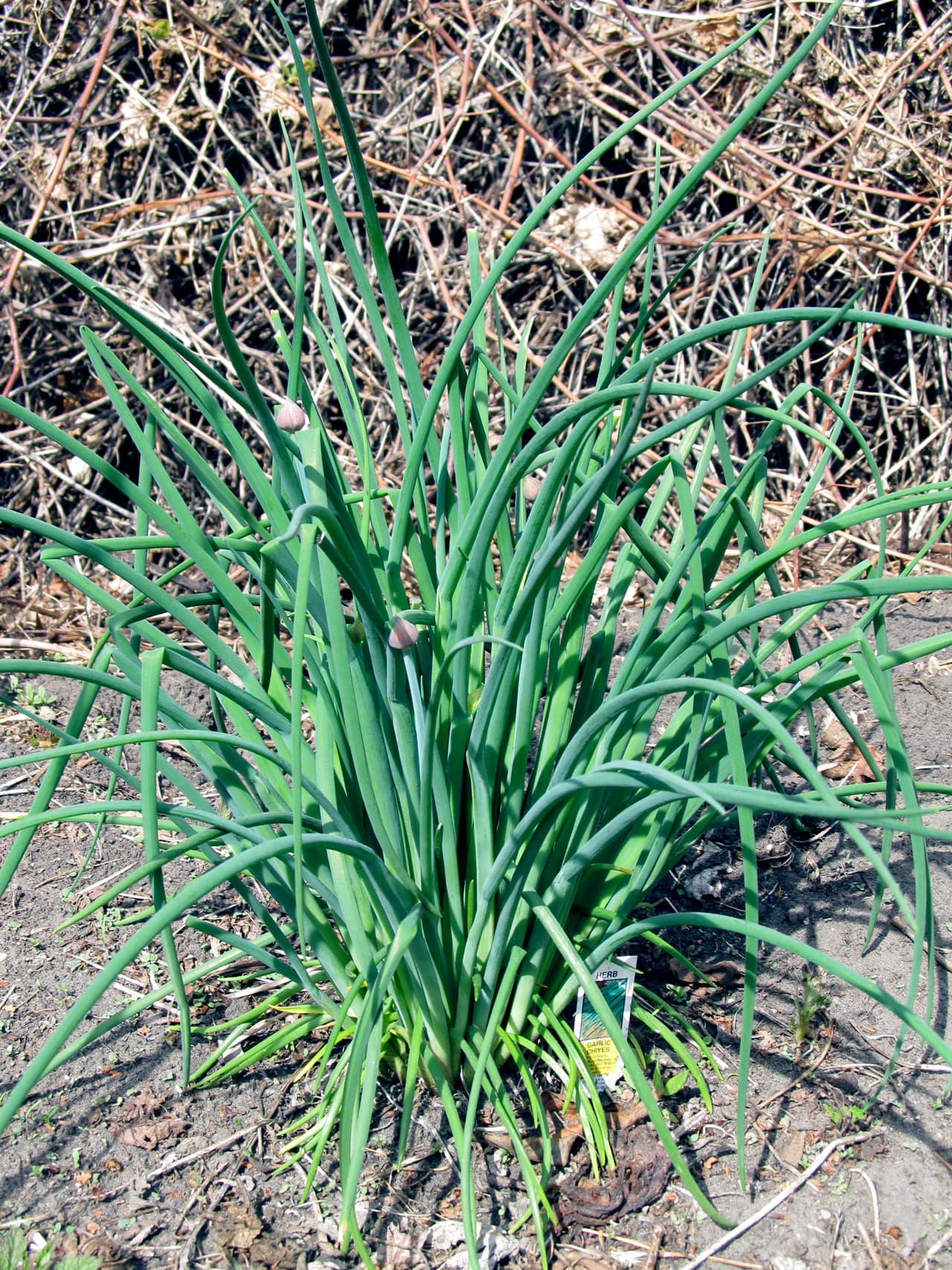
How to Grow Chives: Complete Guide
Chives are one of the most rewarding plants you can grow — and one of the most forgiving. A single clump will quietly return every spring for years, shrugging off frost, drought, and neglect while handing you snippable green stems all season long. Whether you have a sprawling backyard or a single pot on a city balcony, chives belong in your garden. Here's everything you need to grow them from seed to harvest.
Why Grow Chives?
Chives (*Allium schoenoprasum*) are a hardy perennial herb in the onion family, prized for their mild, oniony flavour and edible lavender-pink flowers. They're a kitchen staple — snipped over eggs, potatoes, soups, and salads — but they earn their place in the garden for more than flavour.
When and Where to Plant
Chives are cool-tolerant but love sun. Aim for a spot with at least 4–6 hours of direct light a day, though they'll cope with partial shade.
Southern Hemisphere growers should simply flip the calendar — sow in late winter to early spring (August–September) for a season of cutting ahead.
Chives are equally happy in the ground, in raised beds, or in containers at least 15 cm (6 in) deep. A pot on a sunny windowsill will keep you in fresh chives year-round.
Soil and Sowing
Chives aren't fussy, but they reward good soil. Aim for a rich, well-draining bed with plenty of organic matter worked in. A neutral to slightly acidic pH of 6.0–7.0 is ideal.
To sow seed:
1. Scatter seeds thinly on the surface of moist seed compost. 2. Cover with about 0.5 cm (¼ in) of soil — chives need a little darkness to germinate. 3. Keep warm at 18–21°C (65–70°F) and consistently moist. 4. Expect germination in 1–3 weeks. Be patient; chive seed can be slow.
Once seedlings are 8–10 cm (3–4 in) tall and all frost risk has passed, harden them off over a week and transplant outdoors in small clumps spaced 15–20 cm (6–8 in) apart.
Caring for Your Chives
The beauty of chives is how little they ask of you.
Harvesting
You can start harvesting once plants are about 15 cm (6 in) tall and well established — usually 60 days from seed, sooner from divisions.
A light trim every few weeks keeps the clump vigorous and productive right up to the first hard frost.
Dividing for Free Plants
Every 2–3 years, your chive clumps will grow dense and may flower less. In spring or autumn, lift the whole clump with a fork, gently pull it apart into 3–4 smaller sections, and replant. You'll rejuvenate the original plant *and* multiply your stock for free — perfect for sharing with neighbours.
Common Problems
Chives are remarkably trouble-free, but watch for:
Storing the Harvest
Fresh chives keep for about a week wrapped loosely in a damp paper towel in the fridge. For longer storage, chop and freeze them in ice-cube trays with a little water — they keep their colour and flavour far better frozen than dried.
Grow, Snip, Share
Chives are proof that growing your own food doesn't have to be complicated. One small clump delivers fresh flavour, feeds the bees, and quietly multiplies year after year — leaving you with plenty to pass over the garden fence. That's exactly the kind of small, generous abundance neighbourhood food-sharing is built on.
Ready to turn your harvest into connection? Join a community of growers swapping homegrown produce, tips, and surplus seedlings near you. Sign up free at Locavori and start sharing what you grow.
Related Posts
How to Grow Sage: Complete Guide
Sage is a tough, drought-tolerant perennial herb that gives years of harvests. Learn how to plant, grow, harvest, and prune sage in gardens or containers.
How to Grow Fennel: From Seed to Harvest
Feathery, aromatic, and surprisingly easy, fennel gives you a herb, a vegetable, and a pollinator magnet in one plant. Here's how to grow it and get fat, sweet bulbs.
How to Grow Oregano: A Complete Guide
Oregano is a hardy, drought-tolerant perennial that thrives on neglect and comes back year after year. Here's how to grow, harvest, and dry it for the fullest flavour.