
How to Grow Butternut Squash: Complete Guide
Few vegetables feel as rewarding to grow as butternut squash. From a single seed you can raise a sprawling vine that delivers several dense, nutty-sweet fruits — and unlike summer vegetables that must be eaten quickly, butternut keeps for months in storage. Roasted, mashed, blended into soup, or folded into a risotto, one good harvest can feed you well into winter. Here's how to grow it from seed to cellar.
What is butternut squash?
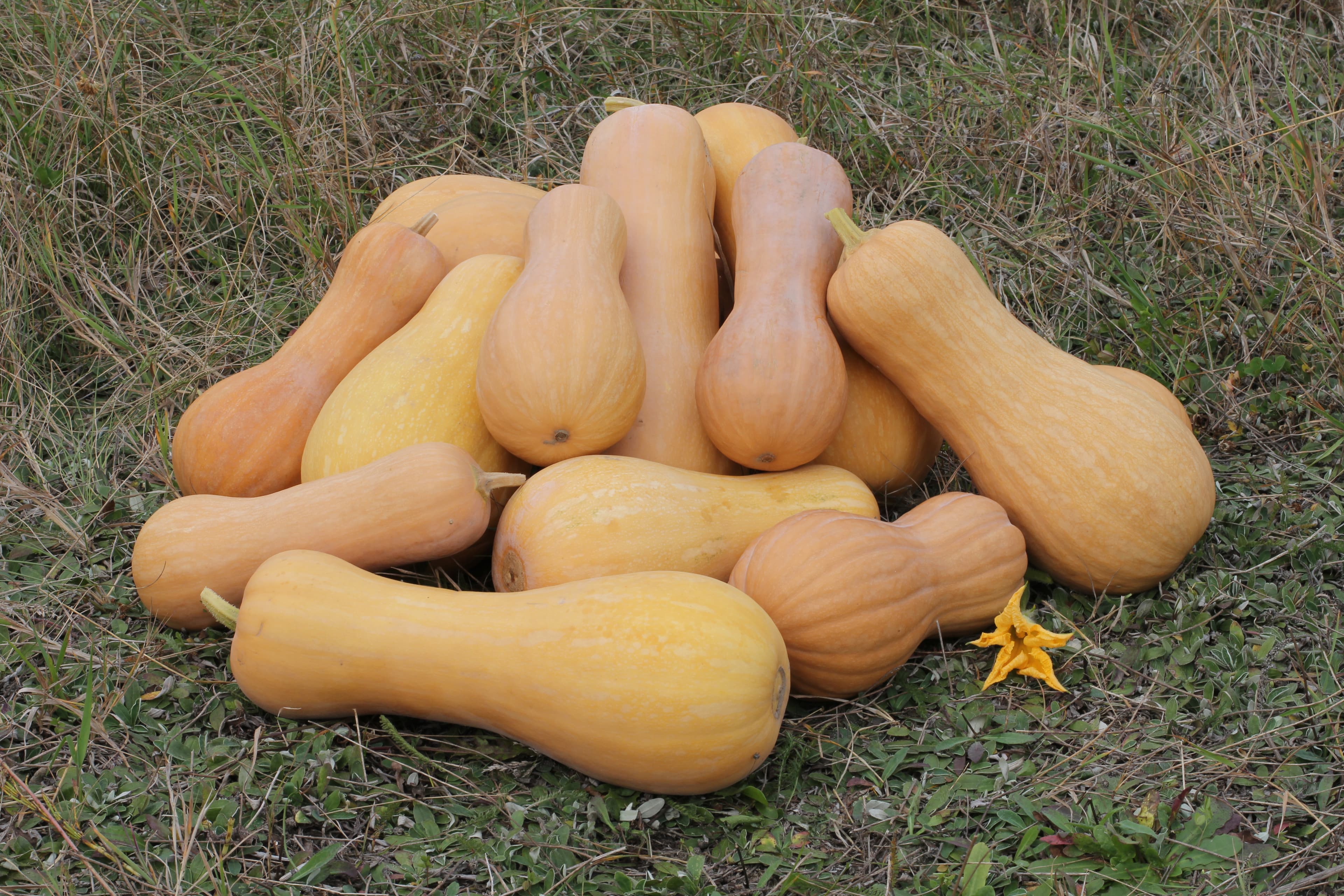
Butternut (Cucurbita moschata) is a winter squash — "winter" because it's harvested mature and stored, not because it grows in cold weather. The plant itself is firmly a warm-season crop that needs heat, sun, and a long growing season of roughly 90–120 days. The fruits have tan skin, a bulbous base, and sweet orange flesh that grows richer in storage.
When to plant
Squash hates the cold, so timing matters:
Always check your local last-frost date rather than a fixed calendar month. Southern Hemisphere growers shift these windows by six months, planting in spring as the soil warms.
Where to plant
Butternut squash needs three things in abundance:
Sowing seeds
Plant seeds about 2–3 cm (1 in) deep, two or three to a mound, then thin to the strongest seedling once they're established. Space mounds about 1 m (3 ft) apart. Water the soil well and keep it warm and moist until the seedlings emerge, usually within a week or two in warm conditions.
Growing up: vertical squash
Short on space? Butternut squash will happily climb a trellis, arch, or strong fence. Vertical growing improves air circulation (reducing disease), keeps fruit clean and evenly coloured, and saves precious ground. The fruits are heavy, so support developing squash with a sling made from an old T-shirt or net bag tied to the frame.
Watering and feeding
Pollination — and how to help
Squash produce separate male and female flowers on the same plant. Male flowers usually appear first; female flowers have a tiny swelling (the immature fruit) at their base. Bees do most of the pollinating, but if fruit isn't setting, you can hand-pollinate: pick a male flower, peel back its petals, and dab its pollen into the centre of a female flower in the morning.
Common problems
Harvesting and curing
This is where patience pays off. Harvest when:
Cut each squash with a few centimetres of stem attached — never carry it by the stem, as a broken stem invites rot. Curing is the secret to long storage: leave the harvested squash in a warm, dry, sunny spot for 7–10 days to toughen the skin. Cured butternut stored somewhere cool and dry can keep for 3–6 months, often getting sweeter as it rests.
A harvest worth sharing
A healthy butternut vine can produce more squash than one household can get through — which is a wonderful problem to have. Because they store so well, they're perfect for swapping with neighbours over the cooler months, when fresh homegrown food is harder to come by.
Locavori connects you with growers nearby to swap surplus produce, share your harvest, and build a more food-resilient neighbourhood. Why let a good glut go to waste?
Related Posts
How to Grow Mushrooms at Home: A Beginner's Guide
Mushrooms need no sunlight, no garden and barely any space. Here's how to grow oyster mushrooms indoors in under a month — and what to do with the glut.
How to Get Rid of Powdery Mildew: Organic Prevention and Treatment
That white dust on your squash and cucumber leaves is powdery mildew — the most common fungal disease in home gardens. Here's how to prevent it, treat it organically, and know when to just let it go.
How to Grow Fennel: From Seed to Harvest
Feathery, aromatic, and surprisingly easy, fennel gives you a herb, a vegetable, and a pollinator magnet in one plant. Here's how to grow it and get fat, sweet bulbs.