
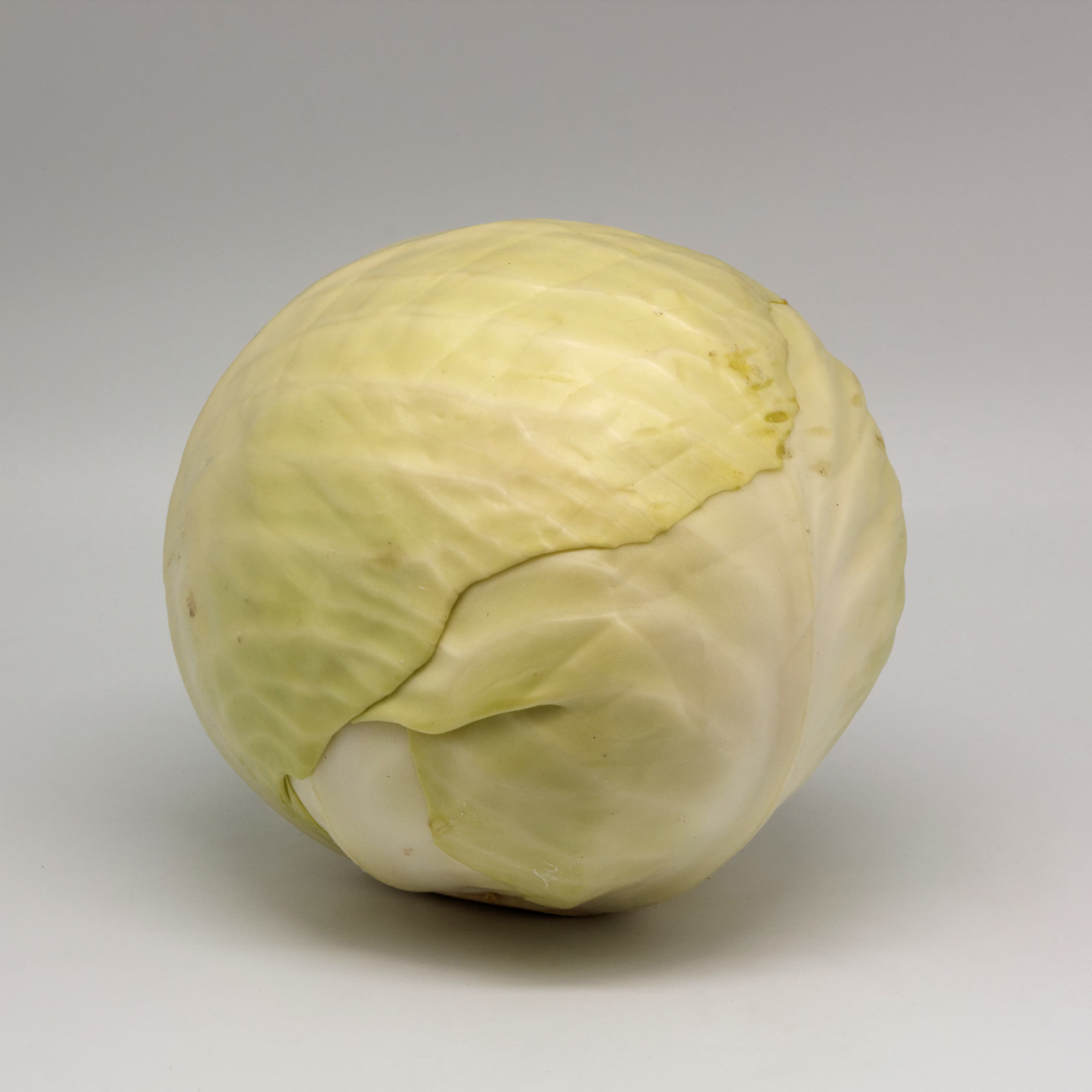
How to Grow Cabbage: Complete Guide
Cabbage is one of the most rewarding vegetables you can grow: cheap to start, generous in yield, and tough enough to stand in the garden through frost when most other crops have packed up. A tight, heavy head you've grown yourself — sweet and crisp, with none of the bitterness of supermarket cabbage left sitting in storage — is a real pleasure. Whether you want crunchy summer slaw, sturdy autumn/fall heads, or cold-hardy winter cabbage, here's how to grow it well.
Why grow cabbage?
Cabbage stores brilliantly, crops over a long window if you plant in succession, and packs a lot of food into a small space. It's also endlessly useful in the kitchen — raw in slaws, fermented into sauerkraut or kimchi, braised, roasted, or dropped into soups. And because different types mature in different seasons, you can keep cabbage on the table for much of the year from a single bed.
Choosing a type
Cabbages are grouped roughly by when they mature:
For your first try, a reliable summer or autumn variety is the easiest. Always match the type to your season and check your local last-frost date and hardiness zone rather than relying on calendar months, since timing shifts a lot by region.
Starting from seed
Cabbage is easy from seed and transplants well, which makes it ideal for raising in modules and planting out.
1. Sow seeds 1–1.5 cm (½ in) deep in module trays or pots of moist seed compost. 2. Germination is quick at 15–20°C (60–68°F) — usually within a week. 3. Grow on in good light so seedlings stay stocky, not leggy. 4. When plants have 4–5 true leaves and are around 8–10 cm (3–4 in) tall, they're ready to plant out.
You can also direct-sow into the ground once soil has warmed, thinning to the right spacing.
Planting out
Cabbage likes firm, fertile, well-drained soil and full sun. The two golden rules are firm ground and the right spacing:
Cabbage is hungry for nitrogen. Work in plenty of compost or well-rotted manure before planting, and feed with a balanced or nitrogen-rich feed during active leaf growth.
Growing in containers and small spaces
Compact varieties grow happily in large containers at least 30 cm (12 in) wide and deep, one plant per pot. It's a great way to grow cabbage on a patio or balcony — just keep them well watered and fed, as pots dry out and run low on nutrients faster than open ground.
Care through the season
Watering. Keep soil evenly moist, especially as heads form. Erratic watering after a dry spell can split heads.
Mulching. A mulch holds moisture and suppresses weeds, which compete hard with young plants.
Earthing up / staking. Tall winter types can rock in wind; firm or earth up soil around the stems for stability.
Common problems (and brassica defences)
Cabbages share pests with all brassicas, so a little protection goes a long way:
Crop rotation — not growing brassicas in the same spot two years running — is the single best long-term defence.
Harvesting
Cabbage is ready when the head feels firm and solid to a gentle squeeze. Cut through the stem with a sharp knife, just below the head. Don't leave mature heads too long, especially in summer, or they may split.
A bonus trick: with summer and spring types, cut a shallow cross (1 cm / ½ in deep) into the cut stump and leave it in the ground. Many varieties will sprout a cluster of small secondary cabbage greens for a second mini-harvest.
Share the surplus
Cabbages have a habit of all maturing around the same time — and one well-grown bed can produce more heads than a single household can eat before they're past their best. That surplus is perfect for sharing. With Locavori, you can swap your extra cabbages for a neighbour's homegrown produce, herbs, or preserves — so nothing goes to waste and your garden becomes a way to meet the people around you.
Growing your own food is cheaper, fresher, and far more satisfying — and even better when it's shared. Ready to grow, swap, and connect with your neighbourhood?
👉 Join Locavori today and turn your harvest into community.
Related Posts
How to Grow Fennel: From Seed to Harvest
Feathery, aromatic, and surprisingly easy, fennel gives you a herb, a vegetable, and a pollinator magnet in one plant. Here's how to grow it and get fat, sweet bulbs.
How to Grow Oregano: A Complete Guide
Oregano is a hardy, drought-tolerant perennial that thrives on neglect and comes back year after year. Here's how to grow, harvest, and dry it for the fullest flavour.
How to Grow Chives: Complete Guide
Chives are one of the easiest, most rewarding herbs to grow — a hardy perennial that returns every year. Here's how to grow them from seed to harvest in beds, pots, or on a windowsill.