
How to Harvest and Store Fresh Herbs
Midsummer is peak herb season. Basil is bushing out, mint is threatening to take over the bed, and your thyme and oregano are growing faster than you can use them. The secret most new gardeners learn too late is that *how* and *when* you harvest determines how much you get — and that a little preserving now means homegrown flavour all winter. Here's how to harvest your herbs the right way and store them so nothing goes to waste.
Why Harvesting Technique Matters
Herbs aren't like tomatoes, where you simply wait for ripeness. With leafy herbs, cutting *is* the growing strategy. Regular, correct harvesting:
In short: the more you harvest, the more you get. Timid gardeners end up with leggy, flowering plants and a fraction of the harvest.
When to Harvest for Best Flavour
The flavour of an herb lives in its essential oils, and those oils peak at a predictable time.
How to Harvest Common Herbs
Different herbs grow differently, so the cut differs too.
Leafy, branching herbs (basil, mint, oregano, marjoram): Pinch or snip just above a pair of leaves or a leaf node. The plant will send out two new shoots from that point. Never strip leaves off a bare stem.
Woody, Mediterranean herbs (rosemary, thyme, sage, savory): Snip 8–10 cm (3–4 in) sprigs from the soft, green new growth. Avoid cutting into the old woody base, which is slow to regrow.
Soft-stem herbs (parsley, cilantro/coriander, dill, chives): Cut the outer, older stems right down at the base, about 2–3 cm (1 in) above the soil. New growth comes from the centre, so always work from the outside in.
A clean, sharp pair of scissors or snips makes a real difference — ragged tears invite disease.
Using Herbs Fresh
For short-term storage, treat herbs the way you'd treat them best for their type:
Three Ways to Preserve the Surplus
When the garden gives you more than you can eat, preserve the excess. Each method suits different herbs.
1. Drying (best for woody herbs)
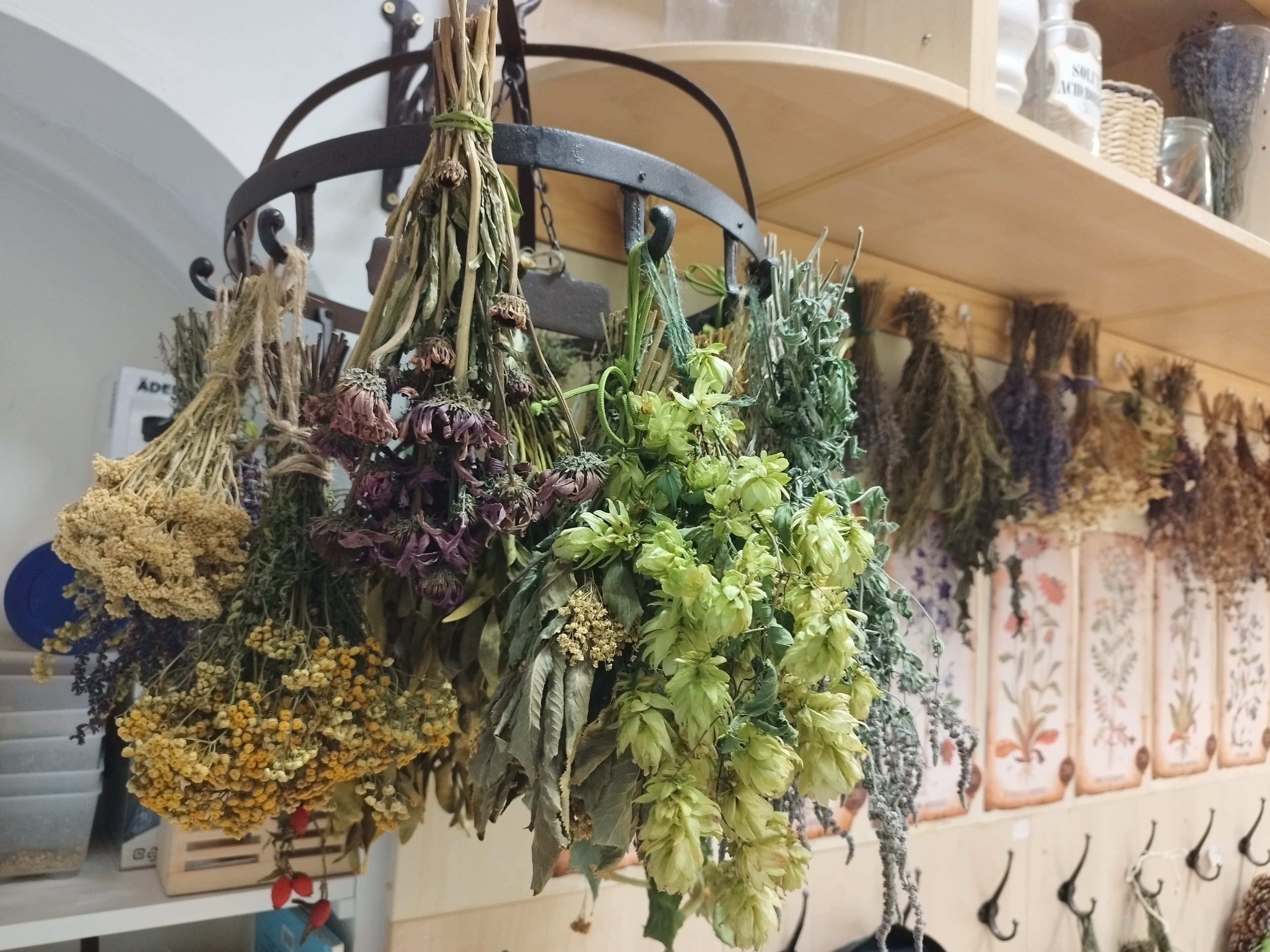
Rosemary, thyme, oregano, sage, and bay dry beautifully and keep their punch.
1. Gather small bunches and tie the stems together. 2. Hang them upside down in a warm, dry, well-ventilated spot out of direct sunlight. 3. After 1–2 weeks, when the leaves are crisp and crumble easily, strip them from the stems. 4. Store in airtight jars away from light and heat. Dried herbs keep their best flavour for about a year.
You can speed this up in a dehydrator at 35–40°C (95–105°F), or in an oven on its lowest setting with the door cracked open.
2. Freezing (best for tender herbs)
Basil, parsley, cilantro/coriander, chives, and dill lose their character when dried but freeze wonderfully.
Frozen herbs keep most of their flavour for 4–6 months.
3. Herb Salt, Pesto, and Vinegars
Blend soft herbs with coarse salt and dry the mix for a flavour-packed seasoning. Turn basil (or any leafy herb) into pesto and freeze it in portions. Steep woody herbs in vinegar or infuse them into honey. These transform a glut into pantry staples that last for months.
A Garden That Keeps on Giving
The real magic of growing herbs is that one well-tended plant feeds you far beyond a single meal — and far beyond a single household. A summer of regular harvesting leaves most growers with jars of dried thyme, trays of basil cubes, and bundles to spare. That surplus is exactly what neighbourhood food-sharing thrives on: a handful of fresh mint passed over the fence, a jar of herb salt swapped for someone's spare tomatoes.
Got more than you can store? Join Locavori free to swap your homegrown herbs and produce with growers near you — so nothing from your garden ever goes to waste.
Related Posts
How to Store and Preserve Your Garden Harvest
Growing food is only half the skill — keeping it is the other half. Where each crop actually wants to be stored, plus freezing, drying and pickling a glut.
How to Grow Sage: Complete Guide
Sage is a tough, drought-tolerant perennial herb that gives years of harvests. Learn how to plant, grow, harvest, and prune sage in gardens or containers.
How to Grow Fennel: From Seed to Harvest
Feathery, aromatic, and surprisingly easy, fennel gives you a herb, a vegetable, and a pollinator magnet in one plant. Here's how to grow it and get fat, sweet bulbs.