
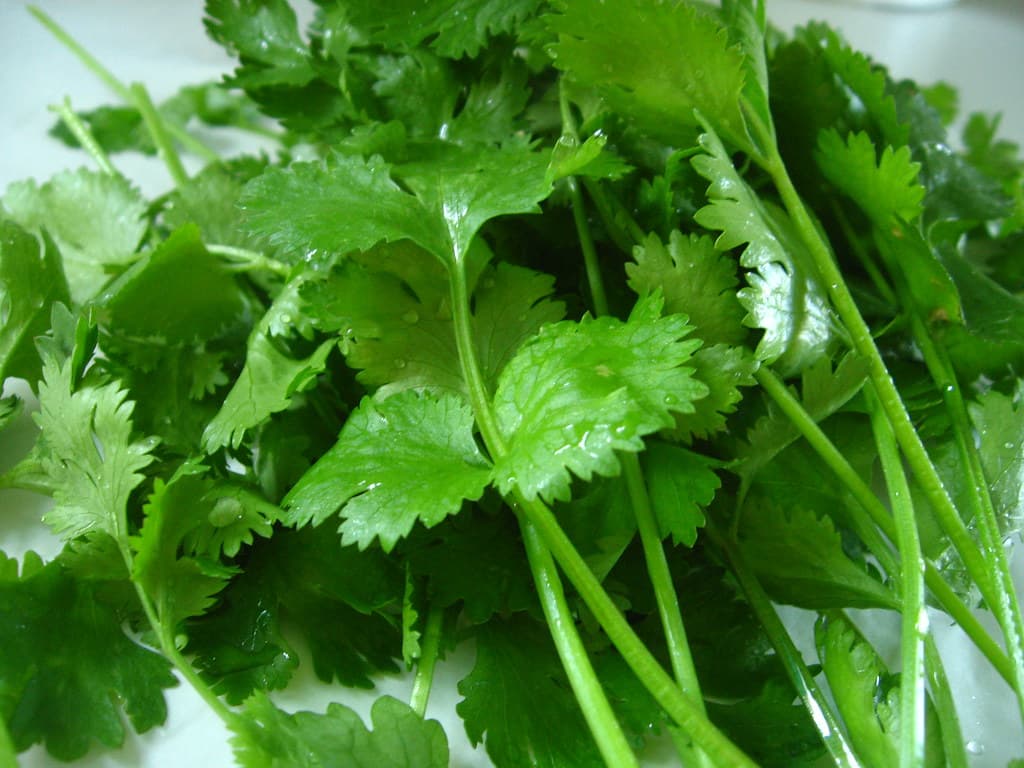
How to Grow Cilantro/Coriander: Complete Guide
Few herbs divide a dinner table like cilantro — known as coriander across much of the world. The fresh leaves bring a bright, citrusy lift to curries, salsas, salads, and noodle bowls, while the dried seeds (true "coriander" in the spice rack) are a warm, nutty staple of cuisines from Mexico to India. The good news: it is one of the fastest herbs you can grow, going from seed to harvest in as little as three to four weeks. The catch: it has a reputation for "bolting" — rushing to flower and going to seed — and understanding that is the key to success.
Cilantro vs. coriander: same plant
There is no difference between the plants. In North America, cilantro refers to the fresh leaves and stems, while coriander refers to the dried seeds. In the UK and much of the world, the whole plant — leaves and seeds — is simply called coriander. One plant gives you both, depending on when you harvest.
Why it bolts (and how to work with it)
Cilantro is a cool-season annual. When the weather turns hot or days grow long, the plant's instinct is to flower and set seed quickly — this is bolting. Once it bolts, leaf production slows and the flavour of the foliage changes. You cannot fully stop this, so the strategy is to work with the plant's nature rather than against it:
When and where to plant
Cilantro grows best when daytime temperatures sit around 15–24°C (60–75°F). Sow in spring once the risk of hard frost has passed, and again in late summer for an autumn/fall crop. Check your local last-frost date rather than a fixed month, and Southern Hemisphere growers should flip the seasons accordingly.
It prefers full sun in cool climates and partial shade where summers are hot. The soil should be light, well-drained, and reasonably fertile, with a pH around 6.2–6.8. Cilantro grows happily in the ground, in raised beds, in containers, and even on a bright windowsill indoors.
Sowing
Cilantro resents being transplanted — disturbing its taproot can actually *trigger* bolting — so it is best direct-sown where it will grow. Sow seeds about 1 cm (½ in) deep and 5 cm (2 in) apart, in rows or scattered in a patch. If you are growing mainly for leaves, you can sow more thickly and skip thinning; for larger, bushier plants or seed production, thin to about 15–20 cm (6–8 in) apart.
Each "seed" is actually a husk containing two seeds. Gently crushing them or soaking them overnight before sowing can speed up germination, which usually takes 7–14 days.
Succession planting: the real secret
Because each plant has a short useful life before bolting, the trick to a continuous supply is to sow a small new batch every 2–3 weeks throughout the growing season. A short row or a single pot's worth at a time is plenty for most households. This way, as one batch starts to flower, the next is ready to pick.
Watering and care
Keep the soil consistently moist but not waterlogged — drying out is another bolt trigger. Container plants dry quickly, so check them daily in warm weather. A light mulch helps retain moisture. Cilantro rarely needs heavy feeding; overly rich soil produces lush leaves with less flavour. An occasional dilute liquid feed for container plants is enough.
Pests and problems
Cilantro is largely trouble-free. Watch for aphids, which can cluster on tender new growth — a jet of water or encouraging beneficial insects usually keeps them in check. Good spacing and airflow prevent the powdery mildew and leaf spot that can appear in crowded, damp conditions. The most common "problem" is simply early bolting in heat, addressed by the timing and shade tips above.
Harvesting leaves and seeds
Begin picking leaves once plants are 15 cm (6 in) tall, usually 3–4 weeks from sowing. Snip the outer leaves and stems, taking no more than about a third of the plant at once so it can keep growing. Use the leaves fresh — their flavour fades quickly when cooked or dried.
When a plant bolts, let it. The lacy white flowers attract pollinators and beneficial insects, and they are followed by round green seeds. Leave these to ripen and turn brown on the plant, then snip the seed heads into a paper bag to dry fully. You now have coriander seed for cooking — and for sowing your next crop.
Share the abundance
A few short rows of cilantro, sown in succession, can easily outpace one kitchen's needs — and fresh herbs are one of the most welcome things to swap with neighbours. A bunch of coriander traded for someone else's chillies or limes is exactly the kind of small, everyday exchange that builds a local food community.
Want to grow more, waste less, and share your surplus herbs with people nearby? Join Locavori and connect with growers in your neighbourhood today.
Related Posts
How to Grow Sage: Complete Guide
Sage is a tough, drought-tolerant perennial herb that gives years of harvests. Learn how to plant, grow, harvest, and prune sage in gardens or containers.
How to Grow Fennel: From Seed to Harvest
Feathery, aromatic, and surprisingly easy, fennel gives you a herb, a vegetable, and a pollinator magnet in one plant. Here's how to grow it and get fat, sweet bulbs.
How to Grow Oregano: A Complete Guide
Oregano is a hardy, drought-tolerant perennial that thrives on neglect and comes back year after year. Here's how to grow, harvest, and dry it for the fullest flavour.