
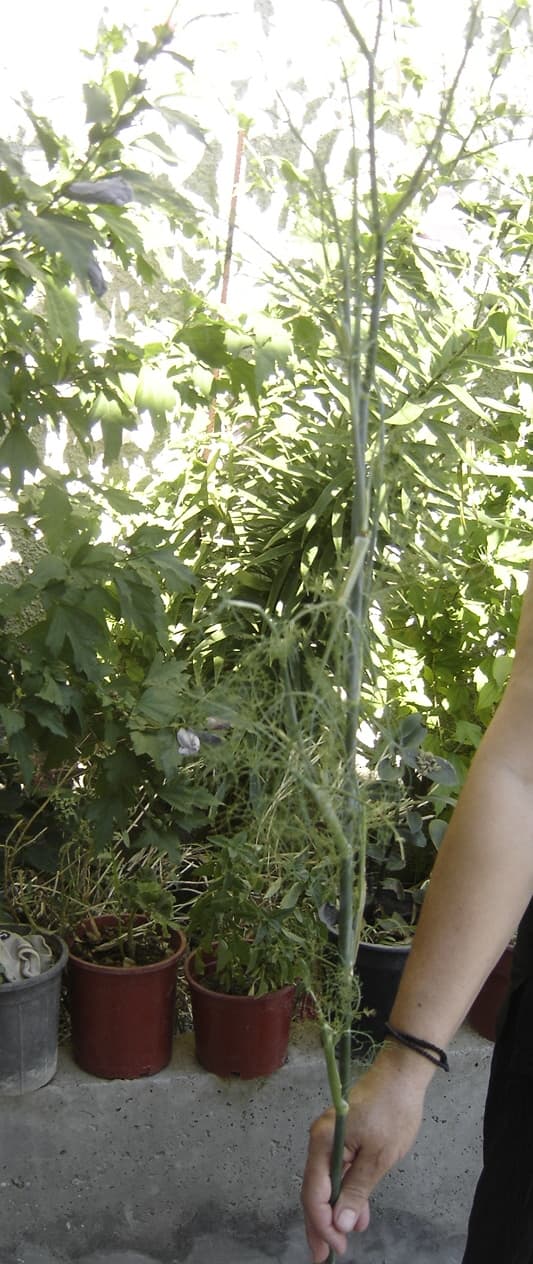
How to Grow Fennel: From Seed to Harvest
With its feathery fronds, aniseed aroma, and crisp, bulbous base, fennel is one of the most elegant and useful plants you can grow. It works as a herb, a vegetable, and an ornamental all at once — and it's a magnet for beneficial insects. Yet many gardeners avoid it, worried it's fussy. It isn't. Once you understand fennel's one big quirk (it dislikes being transplanted), it's a straightforward and generous crop.
This guide covers both types of fennel, how to grow them from seed to harvest, and how to avoid the classic mistake that makes bulbs "bolt" before they fatten up.
Two Fennels, One Plant Family
It helps to know which fennel you're growing, because they're used differently:
Both share the same sweet, mild aniseed flavour and the same easy-going nature. If you want the bulb, be sure to buy seed labelled "Florence fennel" or "finocchio."
When and Where to Grow
Because it's early July right now in the Northern Hemisphere, this is an ideal moment to sow Florence fennel for a crisp autumn bulb harvest. Southern Hemisphere readers should sow in their own late summer to early autumn window instead.
Sowing — Directly, Please
Fennel has a long taproot and resents root disturbance, which can shock it into bolting. Wherever possible, sow seed directly where it is to grow.
1. Sow seeds 1 cm (½ in) deep, in rows about 30 cm (12 in) apart. 2. Keep the soil consistently moist; seeds germinate in 1–2 weeks in warm soil around 18–21°C (65–70°F). 3. Thin seedlings to about 25–30 cm (10–12 in) apart for Florence fennel so bulbs have room to swell.
If you must start in modules, use deep pots (root-trainers) and transplant while very small, before the taproot develops. Handle the rootball gently and water in well.
The Secret to Fat Bulbs: Don't Let It Bolt
Bolting — when the plant rushes to flower and seed instead of forming a bulb — is the number-one fennel frustration. Reduce the risk by:
Blanching for Sweeter Bulbs
As the bulb begins to swell to about the size of an egg, draw soil up around it — or wrap it loosely — to exclude light. This "blanching" keeps the bulb white, tender, and sweeter, much like earthing up leeks. Repeat as it grows.
Watering and Feeding
Companion Benefits (and One Warning)
Fennel's umbrella-shaped flowers are superb for attracting hoverflies, lacewings, ladybirds/ladybugs, and predatory wasps — natural allies against aphids. However, fennel is famously antisocial in the vegetable bed: it can inhibit the growth of neighbours like beans, tomatoes, and dill (with which it also cross-pollinates). Give it its own spot rather than tucking it among other crops.
Harvesting
Storing and Sharing
Whole fennel bulbs keep in the fridge for a week or two; trim the fronds first as they wilt fastest (save them — they're a lovely garnish). Seeds, dried and jarred, last a year or more.
A row of fennel almost always produces more than one kitchen needs, and the seeds especially store beautifully — which makes fennel a natural thing to swap. A jar of homegrown fennel seed or a spare bulb is a small, delicious way to connect with the people who grow near you.
Common Problems
Fennel rewards a little understanding with a lot of beauty and flavour. Get the timing and the watering right, and you'll wonder why you ever thought it was tricky.
Want to grow more of your own food and share the surplus with neighbours? Join Locavori today and become part of a community that grows, swaps, and eats better together.
Related Posts
How to Grow Sage: Complete Guide
Sage is a tough, drought-tolerant perennial herb that gives years of harvests. Learn how to plant, grow, harvest, and prune sage in gardens or containers.
How to Grow Oregano: A Complete Guide
Oregano is a hardy, drought-tolerant perennial that thrives on neglect and comes back year after year. Here's how to grow, harvest, and dry it for the fullest flavour.
How to Harvest and Store Fresh Herbs
Cutting your herbs the right way means bushier plants and bigger harvests — and a little preserving now means homegrown flavour all winter. Here's how to harvest, dry, and freeze your herbs.