
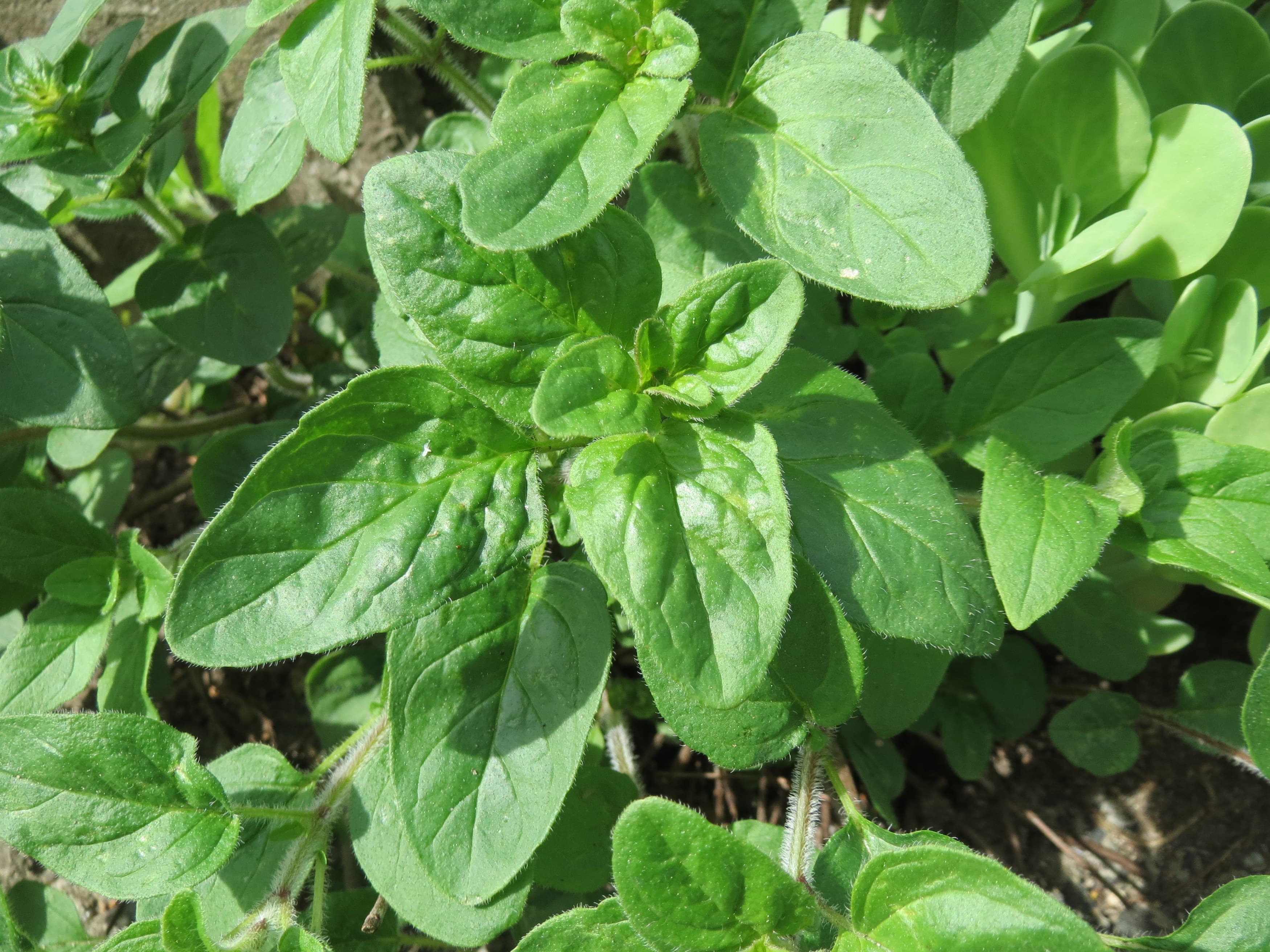
How to Grow Oregano: A Complete Guide
Few herbs pack as much flavour into so little effort as oregano. This hardy Mediterranean perennial thrives on neglect, shrugs off drought, comes back year after year, and turns a sunny corner or a single pot into a lifetime supply of pizza-worthy seasoning. Whether you have a sprawling backyard, a small balcony, or just a bright windowsill, oregano is one of the most rewarding plants a beginner can grow.
Here's everything you need to know to grow oregano from seed or transplant, keep it healthy, and harvest it for the fullest flavour.
Why Grow Oregano?
Oregano (*Origanum vulgare*, and the intensely flavoured Greek oregano, *Origanum vulgare hirtum*) is a tough, low-maintenance perennial in most temperate climates. Plant it once and, with a little care, it will feed you for years. It's naturally pest-resistant, attracts bees and other pollinators when it flowers, and its dense growth makes an attractive edging or groundcover. A well-established plant produces far more than one household can use — which makes it a perfect candidate for sharing fresh bunches or dried jars with neighbours.
Choosing a Variety
If flavour is your goal, buy a plant labelled "Greek oregano" or grow it from a named seed strain. Seed-grown common oregano can vary a lot in taste, so many growers start with a transplant or a cutting from a plant they've actually tasted.
Growing from Seed
Oregano seeds are tiny, so sow them shallowly.
1. Timing. Start seeds indoors 6–8 weeks before your last spring frost. In warm climates, sow directly once soil reaches about 18°C (65°F). Always check your local last-frost date — it varies enormously by region and hardiness zone (roughly USDA zones 4–10 / RHS H5–H2). 2. Sowing. Scatter seeds on the surface of moist seed compost and press gently — do not bury them, as they need light to germinate. 3. Warmth. Keep at 18–21°C (65–70°F). Germination takes 1–2 weeks and can be uneven, so be patient. 4. Thinning. Once seedlings have a few true leaves, thin or pot them on to about 20–30 cm (8–12 in) apart.
Planting Out
Oregano's golden rule: sun and sharp drainage.
Watering and Feeding
This is where most people go wrong by being too generous. Oregano is drought-tolerant and hates soggy roots.
Ongoing Care
Harvesting for Best Flavour
You can snip leaves any time once the plant is established, but the peak flavour trick is this: harvest just before the flower buds open, in the morning after the dew has dried. That's when the essential oils are most concentrated.
Cut whole stems rather than picking individual leaves — this encourages bushier regrowth. Never take more than a third of the plant at once.
Drying and Storing
Oregano is one of the rare herbs that is arguably *better* dried than fresh, developing a deeper, more concentrated flavour.
Common Problems
From Windowsill to Neighbourhood
A single healthy oregano plant will soon give you far more than you can cook with — and that's exactly the point. Dry a batch, fill a few little jars, and pass them along. Sharing a homegrown herb is one of the simplest ways to turn a hobby into a connection with the people around you.
Ready to grow more of your own food and share the surplus with your neighbours? Join Locavori today and become part of a community that grows, swaps, and eats better together.
Related Posts
How to Grow Sage: Complete Guide
Sage is a tough, drought-tolerant perennial herb that gives years of harvests. Learn how to plant, grow, harvest, and prune sage in gardens or containers.
How to Grow Fennel: From Seed to Harvest
Feathery, aromatic, and surprisingly easy, fennel gives you a herb, a vegetable, and a pollinator magnet in one plant. Here's how to grow it and get fat, sweet bulbs.
How to Harvest and Store Fresh Herbs
Cutting your herbs the right way means bushier plants and bigger harvests — and a little preserving now means homegrown flavour all winter. Here's how to harvest, dry, and freeze your herbs.