
How to Grow Sage: Complete Guide
Sage (Salvia officinalis) is one of the most rewarding herbs you can grow. This tough, evergreen Mediterranean perennial shrugs off drought, keeps its silvery leaves through mild winters, and gives you years of harvests from a single plant. Whether you want fresh leaves for roast dinners, stuffing, and herbal teas, or simply a fragrant, pollinator-friendly plant for your garden, sage earns its place. Here is everything you need to grow it well, from seed or cutting to a thriving, long-lived bush.
Why grow sage
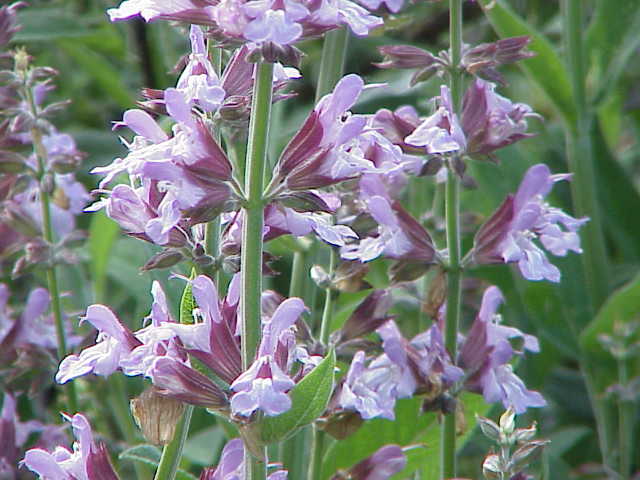
Sage is a "plant it once and forget it" herb. A single healthy plant can produce leaves for four to five years, and its grey-green foliage and purple-blue summer flowers look beautiful in beds, borders, and containers alike. Bees and other pollinators adore the flowers, so sage does double duty as an ornamental. Best of all, it thrives on neglect — it actually prefers poorer soil and less water than most vegetables, making it ideal for busy or beginner growers.
Choosing a variety
Common garden sage is the classic culinary type and the most cold-hardy. If you want something more decorative, try:
All are used the same way in the kitchen. If cooking is your main goal, common sage gives the strongest flavour and the toughest constitution.
When and how to plant
Sage is a warm-season starter but a cold-tolerant survivor. Sow seed indoors 6-8 weeks before your last expected frost, then move plants outside once the danger of frost has passed and the soil has warmed. Always check your local last-frost date — it varies enormously by region and hemisphere. Southern Hemisphere gardeners should simply shift the timing to their own spring.
Seed can be slow and unreliable to germinate, so many growers prefer to start from a nursery plant or a cutting taken from an established shrub. Either way, sage grows happily in the ground or in a pot at least 30 cm (12 in) wide.
From seed: 1. Sow 0.5 cm (¼ in) deep in free-draining seed compost. 2. Keep at 18-21°C (65-70°F). Germination takes 2-3 weeks. 3. Pot on once seedlings have a few true leaves, and harden off before planting out.
Position and soil
This is where sage differs from thirsty vegetables: it wants full sun and sharp drainage. Give it at least 6 hours of direct sunlight a day and a light, gritty, even slightly poor soil. Heavy, wet ground is its biggest enemy — waterlogged roots quickly rot. If your soil is dense clay, plant sage in a raised bed or a container filled with a free-draining mix, and add horticultural grit or coarse sand to lighten it.
Space plants about 45-60 cm (18-24 in) apart, as a mature bush can spread to fill that room.
Watering and feeding
Water new plants regularly for the first few weeks while they establish. After that, less is more — let the top few centimetres (an inch or so) of soil dry out between waterings. Established sage is genuinely drought-tolerant and rarely needs feeding. Avoid rich fertiliser, which produces soft, floppy growth with weaker flavour and less winter hardiness. Container plants benefit from a light feed once or twice in the growing season, and no more.
Harvesting
You can begin snipping leaves lightly as soon as the plant is established and growing well. For the best flavour, harvest in the morning after the dew has dried. Pick individual leaves or trim whole sprigs, but never remove more than about a third of the plant at once so it can keep powering new growth. Flavour is at its peak just before the plant flowers.
Regular light harvesting keeps sage bushy. To preserve a glut, hang sprigs to air-dry in a warm, airy spot, then store the crumbled leaves in an airtight jar — dried sage keeps its punch remarkably well.
Pruning and winter care
A yearly prune is the secret to a long-lived plant. In spring, once new growth appears, cut back leggy or woody stems by about a third to encourage fresh, compact foliage. Avoid cutting hard into old bare wood, as sage is reluctant to regrow from it. In colder regions (roughly USDA zone 5 and below, or exposed temperate gardens), mulch around the base for winter or move container plants to a sheltered spot. In mild climates, sage stays evergreen and productive year-round.
After four or five years, plants tend to become woody and sparse. Simply take cuttings from a healthy stem in early summer to raise fresh replacements — an easy, free way to keep your supply going.
Common problems
Growing sage in containers
Sage is a superb container herb. Use a pot with drainage holes, a gritty peat-free mix, and a sunny spot. Water only when the top of the compost dries out, and repot every couple of years. A single pot by a kitchen door gives you fresh leaves within arm's reach all season.
Grow more, share more
Once your sage takes off, you will likely have more than you can use — and that is where the fun begins. Fresh herbs are one of the easiest things to swap with neighbours, alongside a few tomatoes or a handful of beans.
Locavori helps you grow smarter and share the surplus with people nearby. Get personalised growing tips, track your harvests, and connect with a community of local growers who love trading homegrown food.
Ready to grow and share your own organic produce? Join Locavori today and become part of your neighbourhood food-sharing community.
Related Posts
How to Grow Fennel: From Seed to Harvest
Feathery, aromatic, and surprisingly easy, fennel gives you a herb, a vegetable, and a pollinator magnet in one plant. Here's how to grow it and get fat, sweet bulbs.
How to Grow Oregano: A Complete Guide
Oregano is a hardy, drought-tolerant perennial that thrives on neglect and comes back year after year. Here's how to grow, harvest, and dry it for the fullest flavour.
How to Harvest and Store Fresh Herbs
Cutting your herbs the right way means bushier plants and bigger harvests — and a little preserving now means homegrown flavour all winter. Here's how to harvest, dry, and freeze your herbs.