
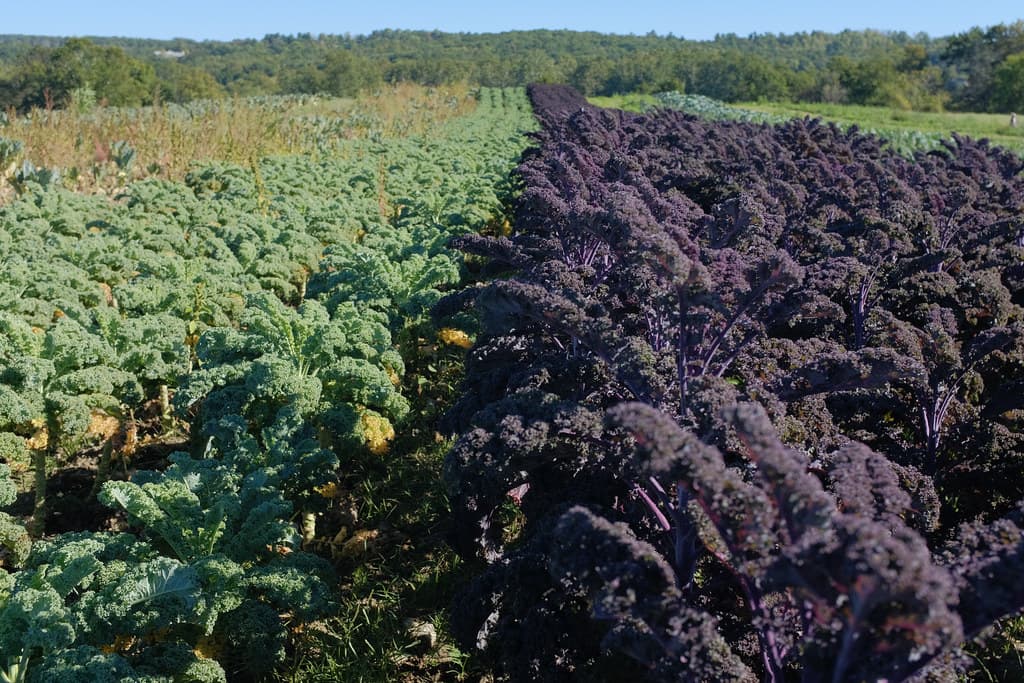
How to Grow Kale: Complete Guide
Kale has quietly become one of the most popular vegetables to grow at home — and for good reason. It is hardy, productive, packed with nutrition, and so forgiving that it is one of the best crops for a first-time grower. A handful of plants can keep a kitchen in fresh greens for months, often straight through frost and snow. Whether you have a large bed, a few containers on a balcony, or a sunny windowsill, this guide will take you from seed to harvest.
Why grow kale?
Kale is a cut-and-come-again crop: instead of harvesting the whole plant at once, you pick the outer leaves and the plant keeps producing new growth from the centre. That means one sowing can feed you for an entire season. It is also remarkably cold-tolerant — many gardeners say kale tastes *sweeter* after a frost, because cold weather converts some of its starches to sugars.
There are several types worth knowing:
When to plant
Kale is a cool-season crop, so it grows best in the milder temperatures of spring and autumn/fall.
Always check your local last-frost and first-frost dates rather than relying on calendar months — these vary enormously by region and hardiness zone (kale reliably overwinters in USDA zones 7 and warmer, and in milder RHS zones). Southern Hemisphere readers should simply flip the seasons: sow for autumn harvests from late summer, and again in early spring.
Where to plant
Kale wants full sun — at least 6 hours a day — though it tolerates light shade, which can actually help in hot climates by slowing bolting. It thrives in rich, well-drained soil with plenty of organic matter. Before planting, work in a couple of centimetres (an inch or so) of compost or well-rotted manure. Kale is a brassica, so it appreciates a near-neutral soil pH of around 6.0–7.5.
Containers work well too. Choose a pot at least 20–30 cm (8–12 in) deep and wide per plant, fill with a quality multipurpose compost, and you can grow kale on a patio or balcony with ease.
Sowing and spacing
Sow seeds about 1 cm (½ in) deep. If direct-sowing, thin or transplant seedlings so that mature plants stand 40–45 cm (16–18 in) apart, with similar spacing between rows. Crowded plants compete for light and air, which invites disease, so resist the urge to pack them in.
Seedlings usually emerge within 5–8 days in warm soil. Transplant when they have 4–5 true leaves, planting them slightly deeper than they sat in their pots to give sturdy support.
Watering and feeding
Kale likes consistent moisture — aim for roughly 2–3 cm (1 in) of water per week, more in hot or windy weather. Mulching around the base with compost or straw helps lock in moisture and suppress weeds. Because you are harvesting leaves continuously, a mid-season feed with a balanced or nitrogen-rich organic fertiliser keeps new growth coming.
Common pests and problems
Brassicas attract a few familiar visitors:
Rotating where you grow brassicas each year helps prevent soil-borne diseases like clubroot from building up.
Harvesting
You can start picking once leaves are about the size of your hand, usually 50–65 days from sowing. Harvest from the bottom up, snapping or cutting the outer leaves and always leaving the central growing point and several young leaves intact. Done this way, a single plant will keep producing for months.
For the sweetest flavour, pick after a light frost. Young leaves are tender enough to eat raw in salads; older leaves are best massaged with a little oil, or cooked into soups, stir-fries, and pasta.
Sharing your harvest
Kale is famously generous — most growers end up with far more than one household can eat. That is where it becomes a community crop. A surplus of fresh greens is perfect for swapping with neighbours who might have tomatoes, herbs, or eggs to trade, and a single productive bed can quietly feed a whole street.
Ready to grow more, waste less, and share the surplus with people nearby? Join Locavori and connect with growers in your neighbourhood today.
Related Posts
How to Grow Fennel: From Seed to Harvest
Feathery, aromatic, and surprisingly easy, fennel gives you a herb, a vegetable, and a pollinator magnet in one plant. Here's how to grow it and get fat, sweet bulbs.
How to Grow Oregano: A Complete Guide
Oregano is a hardy, drought-tolerant perennial that thrives on neglect and comes back year after year. Here's how to grow, harvest, and dry it for the fullest flavour.
How to Grow Chives: Complete Guide
Chives are one of the easiest, most rewarding herbs to grow — a hardy perennial that returns every year. Here's how to grow them from seed to harvest in beds, pots, or on a windowsill.