
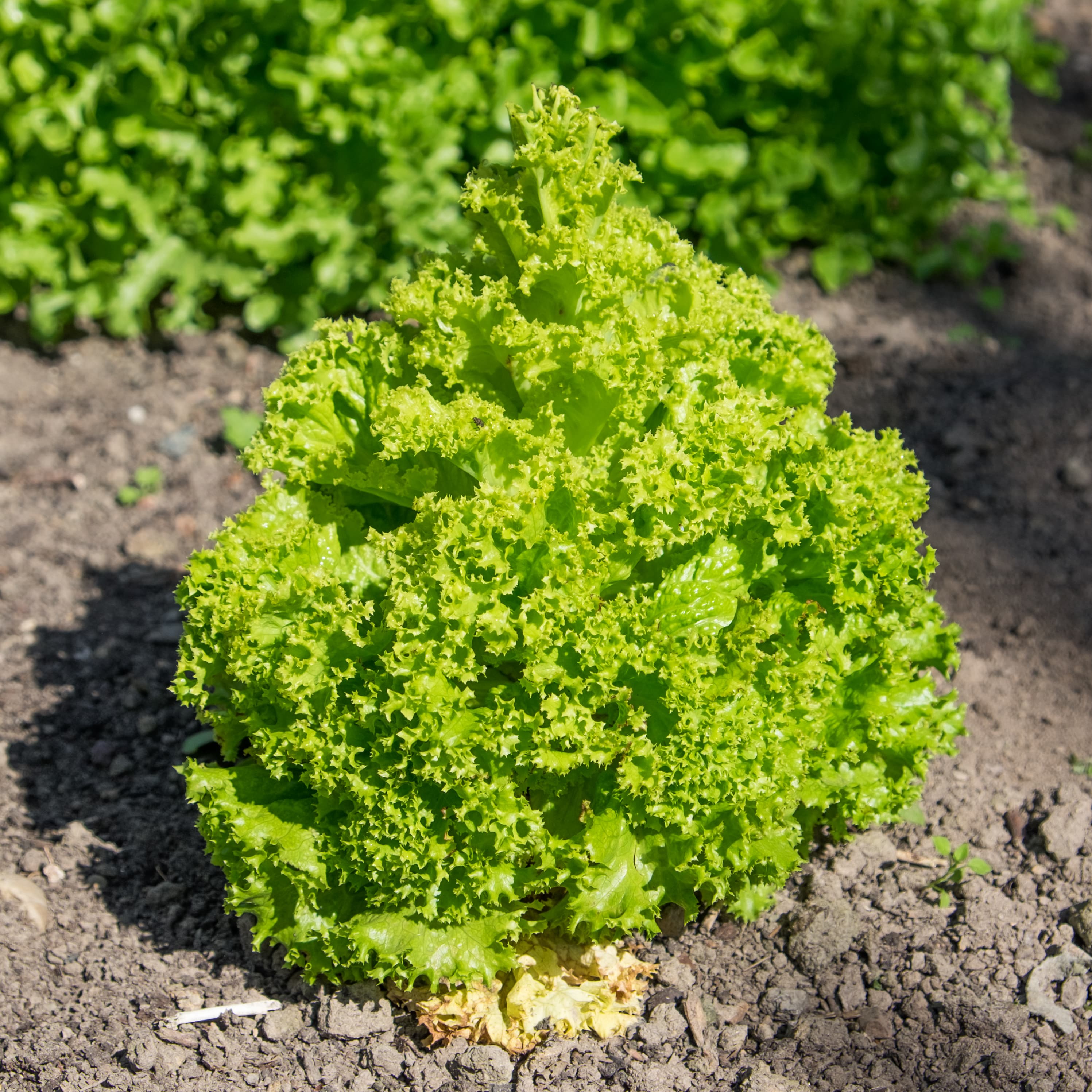
How to Grow Lettuce: The Cut-and-Come-Again Salad Guide
Few crops give back as quickly or as reliably as lettuce. Sow a row in spring, and within a month you'll be snipping handfuls of fresh leaves for the salad bowl — no supermarket bag required. The secret most beginners miss is the *cut-and-come-again* method, which turns one sowing into weeks of continuous harvest.
This guide walks you through everything you need: choosing varieties, sowing, harvesting the smart way, and keeping lettuce productive when the weather warms.
Why Cut-and-Come-Again Beats Whole-Head Lettuce
Most people grow lettuce the way they buy it — as whole heads, harvested once and gone. But loose-leaf and baby-leaf varieties work differently. You cut only the outer leaves (or shear the plant to 5 cm / 2 in above the soil), and the centre keeps producing more. A single plant can give you four to six harvests over six to eight weeks.
The benefits:
Best Varieties for Cut-and-Come-Again
Skip the tight-headed iceberg and butterhead types — they don't regrow well after cutting. Choose loose-leaf or *baby-leaf* mixes instead:
If you garden in a warmer climate (USDA zones 8+ or anywhere summer regularly tops 27°C / 80°F), look for heat-resistant or "slow-bolt" varieties — *Jericho*, *Muir*, and *Nevada* are excellent.
When to Sow
Lettuce is a cool-season crop. It germinates best at 13–18°C (55–65°F) and stops sprouting above 27°C (80°F).
Always check your local last-frost date — that's the anchor for everything else.
How to Sow
You can sow direct or start in modules:
Direct sowing (easiest for loose-leaf): 1. Rake the soil to a fine tilth. Lettuce seed is tiny — it needs good contact. 2. Draw a shallow drill, just 0.5 cm (¼ in) deep. 3. Sprinkle seed thinly along the row. Aim for one seed every 1–2 cm (½ in). 4. Cover lightly with soil or vermiculite, water gently, and keep the surface moist. 5. Seedlings appear in 5–10 days.
Thin to:
The thinnings are the first salad — don't compost them.
The Harvest Trick
This is where most people go wrong. Don't pull the plant up. Instead:
Method 1 — Outer leaves only: Once plants are 10 cm (4 in) tall, pinch or snip outer leaves at the base. Always leave the central growing point and 4–6 inner leaves. Harvest every 5–7 days.
Method 2 — Chelsea chop: Once plants are 10–15 cm (4–6 in) tall, take scissors and shear the whole row to 5 cm (2 in) above the soil. Water well. New leaves regrow within 10–14 days. You can repeat this 3–4 times before the plant tires.
Both methods triple your yield compared to harvesting whole heads.
Containers and Small Spaces
Lettuce is perfect for containers — its roots are shallow, and you can place pots where you eat.
A simple window box on a sunny ledge can keep one person in salad all spring.
Common Problems
Bolting (flower stalks shooting up). Heat or stress triggers it; once it starts, leaves turn bitter. Pull the plant and resow in a cooler spot.
Slugs and snails. They love lettuce as much as you do. Try beer traps, copper tape around containers, or scatter wool pellets. Hand-pick at dusk.
Bitter leaves. Usually means the plant is stressed by heat or dry soil. Water deeply, mulch with straw, and harvest in the cool of the morning.
Aphids on undersides. Spray off with a strong jet of water, or wipe leaves with a damp cloth. A healthy plant outgrows light infestations.
Succession Planting for a Constant Supply
The single biggest upgrade you can make: stop sowing one big patch. Sow a short row every 2–3 weeks. By the time the first batch is finished, the next is ready. A 30 cm (12 in) row sown every fortnight will give two people fresh salad continuously from spring to autumn.
Sharing the Harvest
Lettuce is one of those crops where a single packet of seed produces vastly more than one household can eat. That's where Locavori comes in — once your patch is established, share the excess with neighbours who don't grow their own, or swap a bag of mixed leaves for someone else's herbs, eggs, or jam. Cut-and-come-again leaves stay fresh longest if you give them away within a day of cutting.
Ready to start sharing your harvest? Join Locavori free and connect with growers and food lovers in your neighbourhood.
Related Posts
How to Grow Mushrooms at Home: A Beginner's Guide
Mushrooms need no sunlight, no garden and barely any space. Here's how to grow oyster mushrooms indoors in under a month — and what to do with the glut.
How to Grow Chives: Complete Guide
Chives are one of the easiest, most rewarding herbs to grow — a hardy perennial that returns every year. Here's how to grow them from seed to harvest in beds, pots, or on a windowsill.
How to Prune Tomatoes for a Bigger Harvest
A few minutes of pruning each week channels your tomato plant's energy into bigger, earlier, healthier fruit. Here's exactly how and when to do it.