
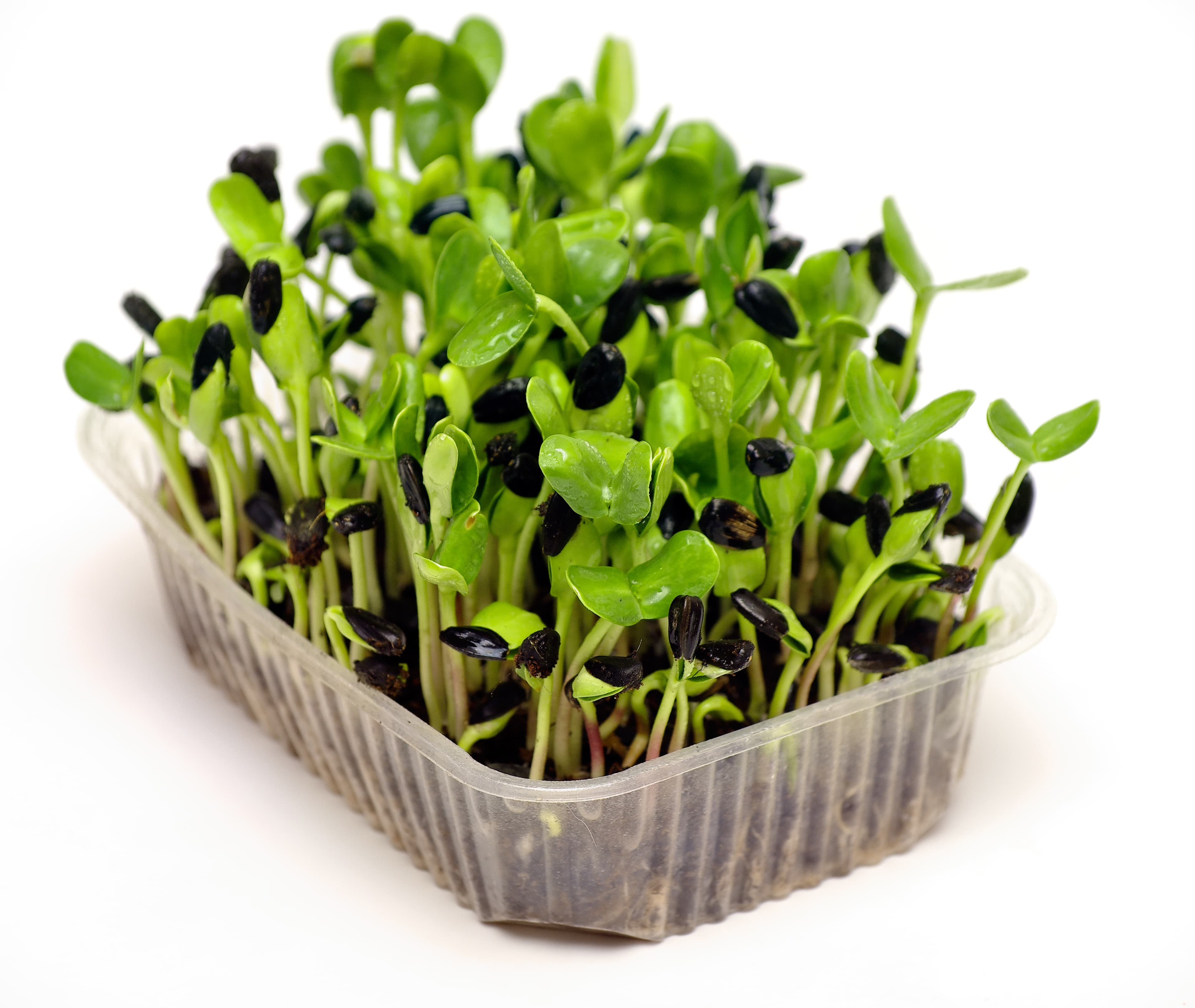
How to Grow Microgreens at Home: Complete Beginner's Guide
Microgreens are the fastest, most beginner-friendly crop you can grow — no garden, no sunshine, and no waiting months for a harvest. These tiny, nutrient-dense seedlings go from seed to plate in 1–3 weeks, and you can grow them year-round on a kitchen counter anywhere in the world. If you've ever wanted fresh, homegrown food but felt short on space or time, this is where to start.
What Are Microgreens?
Microgreens are young vegetable and herb seedlings harvested just after their first true leaves appear, usually when they're 2–7 cm (1–3 in) tall. They're not the same as sprouts: sprouts are germinated in water and eaten whole (seed, root, and shoot), while microgreens are grown in a thin layer of soil or a growing mat and snipped above the surface.
Despite their size, microgreens pack a serious nutritional punch. Research has found that many varieties contain higher concentrations of vitamins and antioxidants than their full-grown counterparts. They also deliver intense flavour — a pinch of radish or mustard microgreens adds a peppery kick to any dish.
Why Microgreens Are Perfect for Beginners
What You'll Need
1. A shallow container or tray — 3–5 cm (1–2 in) deep, with or without drainage. Reuse a takeaway container or a seed tray. 2. Growing medium — a thin layer of potting mix or coco coir, about 2–3 cm (1 in) deep. You can also use a hemp or felt growing mat. 3. Seeds — easy starters include radish, pea, sunflower, broccoli, mustard, and arugula/rocket. Buy seeds sold specifically for microgreens or sprouting when possible. 4. A spray bottle for gentle watering. 5. Light — a bright windowsill or an inexpensive grow light.
Step-by-Step: How to Grow Microgreens
1. Fill the tray
Add 2–3 cm (about 1 in) of moist growing medium and level the surface gently. Don't compact it.2. Sow densely
Scatter seeds evenly across the surface — much more thickly than you would for normal planting. The seeds should nearly cover the soil but not pile on top of each other. There's no need to space them out.3. Cover and wait
Press seeds lightly into the surface. For most varieties, cover the tray with a second tray or a lid to block light and hold moisture for the first 2–4 days. This "blackout" period encourages strong, even germination. Larger seeds like peas and sunflower benefit from an 8–12 hour pre-soak before sowing.4. Bring on the light
Once seeds have sprouted and lifted the cover, move the tray to bright light. A windowsill that gets several hours of light works, but a grow light gives faster, more even growth and prevents leggy, pale seedlings.5. Water gently
Keep the medium consistently moist but never waterlogged. Misting from above works early on; once stems are established, watering from the bottom (setting the tray in a shallow dish of water for a few minutes) helps prevent mould. Good airflow is your best defence against damping-off.6. Harvest
When the first true leaves appear and plants are 5–7 cm (2–3 in) tall, snip them just above the soil line with clean scissors. Most microgreens are a single-cut crop, though pea shoots will often regrow once.Ideal Growing Conditions
Microgreens are happiest at 18–22°C (65–72°F) — ordinary room temperature in most homes. They don't need hot conditions, and too much heat combined with damp soil invites mould. Aim for 4–6 hours of bright light a day, or 12–16 hours under a grow light.
Common Problems and Fixes
Best Microgreens to Start With
How to Use Your Harvest
Eat microgreens fresh and raw to keep their nutrients and texture. Pile them onto sandwiches and avocado toast, scatter over soups and curries, fold into salads, or use as a garnish on eggs and grain bowls. Store cut greens in a container lined with a paper towel in the fridge and use within 5–7 days.
Grow More, Share More
Once you've grown your first tray, you'll likely be hooked — and microgreens are so productive that you'll soon have more than you can eat. That's where your local food community comes in. Swapping a tray of fresh greens with a neighbour, or trading your surplus radish shoots for someone's homegrown herbs, is exactly the kind of small, joyful exchange that makes growing your own food even more rewarding.
Wherever you live, remember to choose varieties suited to your taste and check seed packets for any variety-specific tips. Microgreens are proof that you don't need land, a long season, or much experience to grow genuinely nourishing food.
Ready to turn your harvest into connection? Join Locavori to swap homegrown produce, share growing tips, and meet food-lovers in your neighbourhood.
Related Posts
How to Grow Mushrooms at Home: A Beginner's Guide
Mushrooms need no sunlight, no garden and barely any space. Here's how to grow oyster mushrooms indoors in under a month — and what to do with the glut.
How to Grow Rhubarb: A Complete Guide
Plant rhubarb once and harvest tart, ruby stalks for a decade. Here's how to grow, force, and harvest this low-maintenance perennial.
How to Grow Celery: From Seed to Harvest
Crisp, flavourful homegrown celery is easier than its fussy reputation suggests. Here's how to grow tender stalks from seed to harvest.