
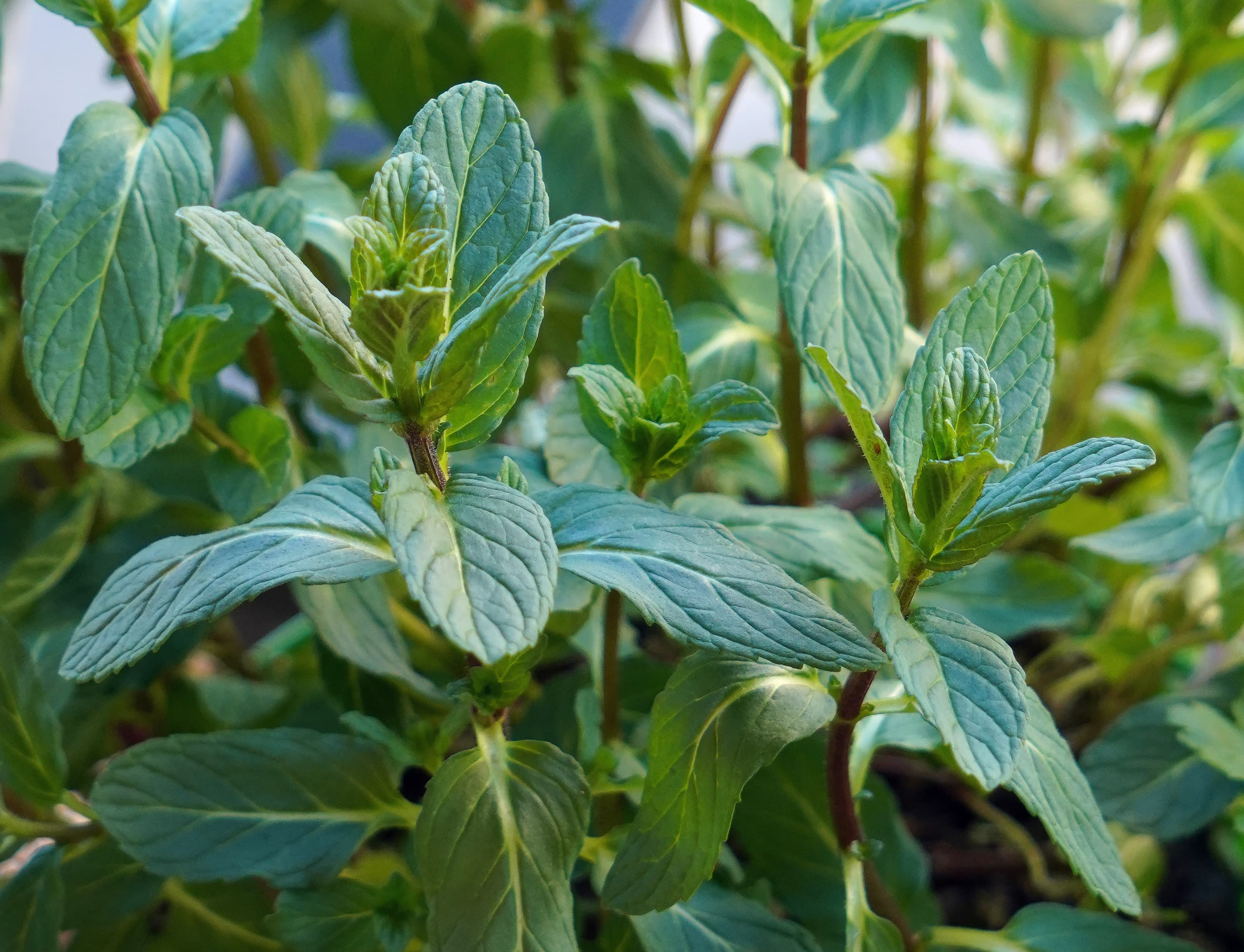
How to Grow Mint: Complete Guide
Few herbs are as rewarding — or as enthusiastic — as mint. It's almost impossible to kill, grows happily in a pot or the ground, and rewards you with fresh leaves for teas, cocktails, salads, and desserts all season long. The only real challenge with mint is keeping it from taking over. This guide covers everything you need to grow a healthy, productive mint plant, wherever in the world you garden.
Why Grow Mint?
Mint is one of the best herbs for beginners. It's vigorous, forgiving, and thrives in conditions that would defeat fussier plants. A single plant supplies more leaves than most households can use, and it's a perennial in most climates — meaning it comes back year after year with almost no effort. Pollinators love its flowers, too, so it earns its place in any food garden.
Types of Mint
There are dozens of varieties, but a few are especially worth growing:
If you're growing mint to cook with, start with spearmint. For tea, peppermint is hard to beat.
The Golden Rule: Contain Your Mint
Mint spreads aggressively through underground runners and can quickly overrun a garden bed. The single most important tip is to grow it in a container. A pot 20–30 cm (8–12 in) wide is perfect. If you want mint in a garden bed, plant it inside a buried bottomless pot or a dedicated raised bed where its roots can't escape. This one decision will save you years of weeding.
How to Plant Mint
From a plant or cutting (easiest)
Mint grows so readily that the simplest route is to start from a small plant or a cutting. To root a cutting, snip a 10 cm (4 in) stem, strip the lower leaves, and place it in a glass of water on a windowsill. Roots appear within 1–2 weeks, after which you can pot it up.From seed
Mint can be grown from seed but it's slower and varieties don't always come true. If you do, sow seeds on the surface of moist potting mix (they need light to germinate), keep at 18–21°C (65–70°F), and expect germination in 1–2 weeks.Spacing and soil
Mint isn't fussy about soil but prefers rich, moist, well-draining conditions. If planting more than one, space plants about 30 cm (12 in) apart — though one plant per pot is usually plenty.Where to Grow Mint
Mint tolerates a wide range of conditions but does best in:
Mint also grows beautifully indoors on a sunny windowsill, giving you fresh leaves through winter.
Watering and Feeding
Keep the soil evenly moist, especially for container plants, which dry out faster. Water when the top 2–3 cm (1 in) of soil feels dry. Mint rarely needs much feeding, but a light dose of balanced liquid fertiliser every few weeks during peak growth keeps leaves lush. Avoid over-feeding, which can dilute the flavour.
Harvesting Mint
You can begin harvesting once the plant is established and around 10 cm (4 in) tall. Pinch or snip sprigs from the top — this encourages bushier growth and prevents the plant from getting leggy. Regular harvesting is good for the plant, so don't be shy. For the best flavour, pick in the morning before the heat of the day, and harvest before the plant flowers, as flavour can decline once it blooms.
To store, keep cut stems in a glass of water like cut flowers, or freeze chopped leaves in ice-cube trays with a little water for use in drinks and cooking.
Keeping Mint Healthy
Mint is robust but watch for a few common issues:
Cutting Back for Winter
In cold climates, mint dies back naturally in autumn. Trim the stems down and the plant will re-emerge in spring. Dividing the root ball every spring not only refreshes the plant but gives you free new plants to pot up — or to share.
Grow Mint, Share the Harvest
Because mint is so generous, you'll almost certainly end up with more than you can use — and that's a wonderful problem to have. A pot of rooted mint cuttings makes a perfect gift, and trading your surplus for a neighbour's tomatoes or fresh eggs is exactly the kind of exchange that builds community around food.
Whatever your climate, mint is one of the easiest, most generous plants you can grow. Give it a pot, a sunny-ish spot, and a little water, and it will reward you for years.
Ready to turn your harvest into connection? Join Locavori to swap homegrown herbs and produce, share growing tips, and meet food-lovers in your neighbourhood.
Related Posts
How to Grow Sage: Complete Guide
Sage is a tough, drought-tolerant perennial herb that gives years of harvests. Learn how to plant, grow, harvest, and prune sage in gardens or containers.
How to Grow Fennel: From Seed to Harvest
Feathery, aromatic, and surprisingly easy, fennel gives you a herb, a vegetable, and a pollinator magnet in one plant. Here's how to grow it and get fat, sweet bulbs.
How to Grow Oregano: A Complete Guide
Oregano is a hardy, drought-tolerant perennial that thrives on neglect and comes back year after year. Here's how to grow, harvest, and dry it for the fullest flavour.