
How to Grow Okra: A Complete Guide
Okra is one of the most rewarding warm-season vegetables you can grow, and it's far easier than its reputation suggests. Known as ladies' fingers, bhindi, or gumbo depending on where you live, okra thrives in heat that makes other crops wilt — which makes it a perfect choice for long, hot summers. Give it sun, warmth, and a little patience, and a handful of plants will keep your kitchen stocked for months.
Why Grow Okra?
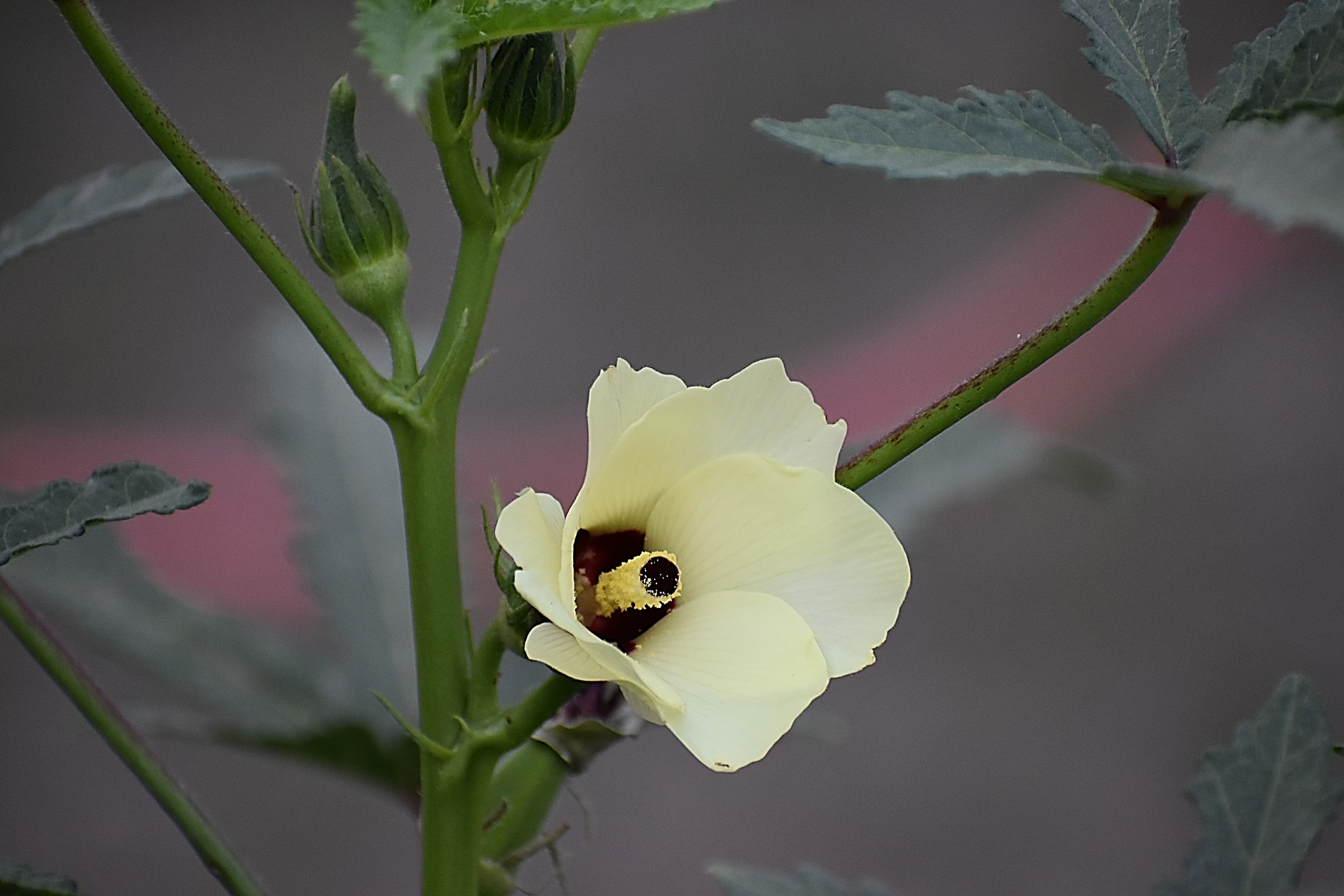
Okra (Abelmoschus esculentus) is a fast-growing annual in the mallow family, related to hibiscus and cotton — which is why its pale yellow flowers are genuinely beautiful. Beyond the kitchen, it earns its place because it:
The pods are rich in fibre, vitamin C, and folate, and they're the backbone of dishes from Southern gumbo to Indian bhindi masala to West African soups.
When to Plant
Okra is unapologetically a warm-weather crop. It needs soil temperatures of at least 18–21°C (65–70°F) to germinate well, and it will sulk or rot in cold, wet ground.
If you're unsure of your timing, check your local last-frost date and your USDA hardiness zone (or RHS equivalent). When in doubt, wait — okra planted into warm soil quickly overtakes anything rushed into cold ground.
Preparing the Soil
Okra isn't fussy, but it rewards a sunny, well-drained spot:
Work a few centimetres of compost into the top 15 cm (6 in) before planting. Avoid heavy nitrogen feeds, which produce lush leaves at the expense of pods.
Sowing Seeds
Okra seeds have a hard coat. To speed germination, soak them in water overnight, or nick the coat gently with a nail file before sowing.
1. Sow seeds 2.5 cm (1 in) deep. 2. Space plants 30–45 cm (12–18 in) apart, in rows about 60–90 cm (24–36 in) apart. 3. Keep the soil consistently moist until seedlings emerge, usually in 7–14 days.
If you started indoors, harden seedlings off over a week before transplanting, and handle the roots gently — okra dislikes being disturbed.
Growing On
Once established, okra is wonderfully low-maintenance:
In peak heat, okra can grow astonishingly fast — sometimes 30 cm (12 in) in a week — so don't panic if it seems slow at first. It's waiting for warmth.
Harvesting
This is where okra demands attention: pods turn woody quickly. Harvest when they're young and tender, usually 5–10 cm (2–4 in) long, just a few days after the flower drops.
The golden rule: if you can't dent the pod with a thumbnail, it's too old. Over-mature pods left on the plant also signal it to stop producing, so keep picking even if you can't use them all — share the surplus with neighbours instead.
Common Problems
Okra is robust, but watch for:
A Crop Worth Sharing
A few okra plants in full swing will produce more than most households can eat. That abundance is exactly the kind of thing neighbourhood food-sharing is built for — a basket of fresh pods swapped for someone else's tomatoes or herbs turns a glut into a connection.
Okra teaches patience early and generosity later. Plant it when the soil is warm, pick it young and often, and by late summer you'll be the gardener with pods to spare.
Ready to grow, swap, and share your harvest with neighbours? Join Locavori today and turn your summer surplus into a stronger, greener community.
Related Posts
How to Grow Fennel: From Seed to Harvest
Feathery, aromatic, and surprisingly easy, fennel gives you a herb, a vegetable, and a pollinator magnet in one plant. Here's how to grow it and get fat, sweet bulbs.
How to Grow Oregano: A Complete Guide
Oregano is a hardy, drought-tolerant perennial that thrives on neglect and comes back year after year. Here's how to grow, harvest, and dry it for the fullest flavour.
How to Grow Chives: Complete Guide
Chives are one of the easiest, most rewarding herbs to grow — a hardy perennial that returns every year. Here's how to grow them from seed to harvest in beds, pots, or on a windowsill.