
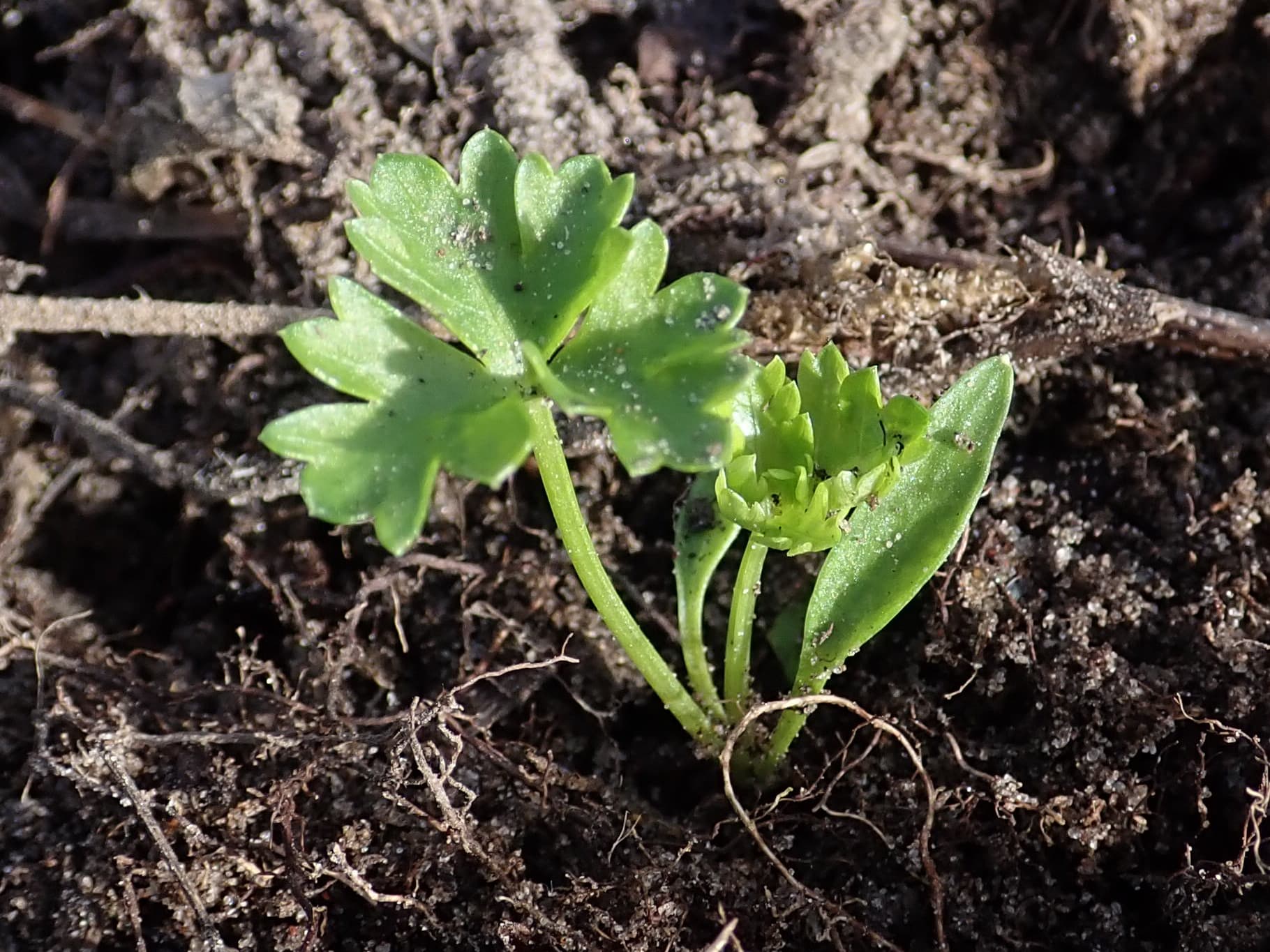
How to Grow Parsley: Complete Guide
Parsley is one of the most useful plants you can grow at home. It's far more than a garnish pushed to the side of the plate — fresh parsley brings a bright, clean flavour to soups, sauces, salads, and grain bowls, and a single well-grown plant can keep your kitchen supplied for months. Best of all, parsley is forgiving, productive, and happy in a pot on a windowsill or a corner of the garden. Here's everything you need to grow it from seed to harvest.
Flat-leaf or curly? Choosing your parsley
There are two main types, and both grow the same way:
If you only have room for one, flat-leaf is usually the better all-rounder. Both are biennials grown as annuals: they produce leaves in the first year and flower in the second, so most gardeners replant each season for the best leaf quality.
When and where to plant
Parsley is a cool-tolerant herb that grows well across a wide range of climates. Sow seed outdoors a couple of weeks before your last expected frost, or start indoors 8–10 weeks earlier for a head start. In warm regions you can sow again in late summer for an autumn and winter crop. Southern Hemisphere growers simply shift these windows by six months — the rule is the same: aim for mild weather, not the peak of summer heat.
Parsley likes:
The patience of parsley seed
Here's the one thing every new grower should know: parsley seed is slow to germinate. It can take 3–4 weeks to sprout, which leads many people to assume their seed has failed. Don't give up. To speed things along, soak the seeds in warm water overnight before sowing — this softens the seed coat and washes away natural germination inhibitors.
Sow seeds about 1 cm (½ in) deep and keep the soil consistently moist and warm, around 21°C (70°F). Once seedlings appear, thin them so plants sit roughly 15–20 cm (6–8 in) apart, giving each room to bush out.
Growing in containers
Parsley is a superb container plant — ideal for balconies, patios, and kitchen windowsills.
A pot by a bright window can give you fresh leaves within arm's reach all year round.
Watering and ongoing care
Consistent moisture is the secret to lush, tender parsley. Let the soil dry out and the leaves turn bitter and tough; keep it evenly damp and the plant stays sweet and productive. Mulch around outdoor plants to lock in moisture and suppress weeds.
Watch for two common issues:
Parsley is also a magnet for beneficial insects and a host plant for swallowtail butterfly caterpillars — if you spot them, consider leaving a plant or two for the pollinators.
Harvesting for maximum yield
The golden rule: harvest from the outside in. Snip the outer, mature stems at the base of the plant, leaving the young inner growth to keep producing. Never shear the whole plant at once — cutting just the tops leaves bare stalks and slows regrowth.
Start harvesting once a plant has at least 8–10 healthy stems. A well-tended plant will keep regrowing for months. Cut what you need fresh, and the more you pick, the more it produces.
Preserving your harvest
When you have more parsley than you can use:
Grow more, share more
A thriving parsley plant produces far more than one household can use, and that's exactly the kind of abundance worth sharing. Swapping a bunch of fresh herbs with a neighbour — or trading your surplus for their tomatoes — is how a single windowsill pot becomes part of something bigger.
Locavori helps you connect with growers nearby to swap homegrown produce, share what you've got, and discover what's growing on your street. Ready to turn your harvest into a community?
Related Posts
How to Grow Mushrooms at Home: A Beginner's Guide
Mushrooms need no sunlight, no garden and barely any space. Here's how to grow oyster mushrooms indoors in under a month — and what to do with the glut.
How to Grow Sage: Complete Guide
Sage is a tough, drought-tolerant perennial herb that gives years of harvests. Learn how to plant, grow, harvest, and prune sage in gardens or containers.
How to Grow Fennel: From Seed to Harvest
Feathery, aromatic, and surprisingly easy, fennel gives you a herb, a vegetable, and a pollinator magnet in one plant. Here's how to grow it and get fat, sweet bulbs.