
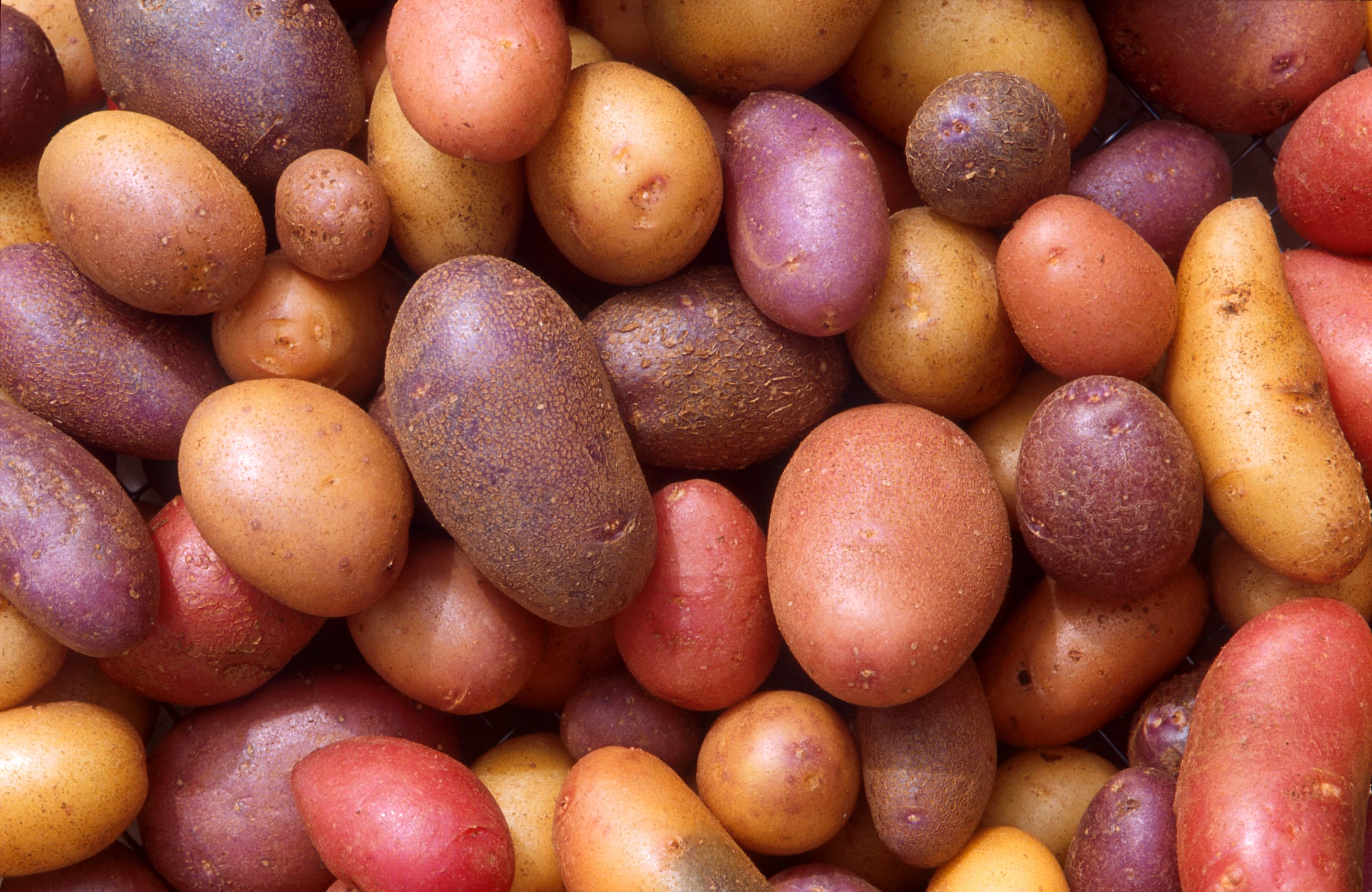
How to Grow Potatoes: A Complete Guide
Few crops reward a home gardener like potatoes. From a single seed potato you can harvest a bucketful of tubers, and there's a particular kind of joy in digging your hands into the soil to unearth them — like a treasure hunt that feeds your family. Potatoes are forgiving, productive, and grow almost anywhere: in the ground, in raised beds, in bags on a balcony, even in an old bin. This guide walks you through the whole journey, from chitting to harvest.
Choosing and Preparing Seed Potatoes
Always start with certified seed potatoes rather than ones from the grocery store. Shop potatoes are often treated to suppress sprouting and can carry disease. Seed potatoes are certified disease-free and bred to grow.
Potato varieties are grouped by how long they take to mature:
A few weeks before planting, chit your seed potatoes: stand them in an egg carton or tray in a cool, bright (not hot) spot with the "eyes" facing up. After 2–4 weeks they'll grow short, stubby green-purple sprouts about 1–2 cm (½ in) long. Chitting isn't essential, but it gives earlies a useful head start.
When to Plant
Potatoes are frost-tender, so timing follows your last frost date rather than the calendar. Plant once the soil has warmed to around 7–10°C (45–50°F) and the worst frosts have passed — typically early to mid spring in the Northern Hemisphere, or early spring in the Southern. If a late frost threatens after shoots emerge, mound soil over them or cover with fleece overnight.
In hot climates (USDA zones 9+), gardeners often grow potatoes through the cool season — planting in autumn or late winter — to avoid summer heat, which halts tuber formation above about 27°C (80°F).
How to Plant
In the ground or a raised bed:
1. Dig a trench about 10–15 cm (4–6 in) deep. 2. Space seed potatoes 30 cm (12 in) apart for earlies, 38 cm (15 in) for maincrop, with sprouts facing up. 3. Leave 60–75 cm (24–30 in) between rows. 4. Cover with soil and water in.
In containers or grow bags (excellent for patios and balconies): use a large pot or bag at least 40 L (10 gal). Add 15 cm (6 in) of compost, set 1–3 seed potatoes on top, cover with 10 cm (4 in) of compost, and water.
Earthing Up
This is the one technique that makes a real difference. As the green shoots reach about 20 cm (8 in) tall, draw soil or compost up around the stems, leaving just the top few leaves exposed. Repeat every couple of weeks.
Why bother? Tubers form along the buried stem, so earthing up increases your yield. Just as importantly, it keeps developing tubers in the dark — potatoes exposed to light turn green and produce solanine, a bitter, mildly toxic compound. Never eat green potatoes.
Watering and Feeding
Potatoes are thirsty, especially once they start flowering — that's when tubers are swelling underground. Aim for consistent moisture: roughly 2–3 cm (1 in) of water per week, more in hot weather. Erratic watering causes knobbly or hollow tubers.
If your soil is poor, a balanced organic fertiliser at planting and a feed when flowers appear will help. Container potatoes benefit from a liquid feed every couple of weeks, since nutrients wash out of pots quickly.
Common Problems
Harvesting
For new potatoes, harvest when the plants start to flower — gently feel into the soil and lift what you need. For maincrop storage potatoes, wait until the foliage yellows and dies back, then leave the tubers in the ground another two weeks so the skins toughen.
On a dry day, lift the whole plant with a fork, starting well away from the stem to avoid spearing tubers. Let them dry on the surface for a few hours.
Storing Your Harvest
Cure maincrop potatoes for a week in a cool, dark, airy place, then store unwashed in paper or hessian sacks somewhere cool, dark, and frost-free (ideally 4–10°C / 40–50°F). Check occasionally and remove any that soften. Stored well, they'll keep for months. New potatoes don't store — eat them fresh, when they taste best anyway.
Grow More Than You Need
One of the best things about potatoes is how generous they are — it's easy to harvest far more than one household can eat. That surplus is exactly what neighbourhood food sharing is built for. A bag of freshly dug potatoes is a wonderful thing to swap with a neighbour for their glut of tomatoes or beans.
Ready to turn your harvest into connection? Join Locavori to share your homegrown produce, swap with neighbours, and discover what's growing on your street.
Related Posts
How to Grow Mushrooms at Home: A Beginner's Guide
Mushrooms need no sunlight, no garden and barely any space. Here's how to grow oyster mushrooms indoors in under a month — and what to do with the glut.
How to Grow Fennel: From Seed to Harvest
Feathery, aromatic, and surprisingly easy, fennel gives you a herb, a vegetable, and a pollinator magnet in one plant. Here's how to grow it and get fat, sweet bulbs.
How to Grow Celery: From Seed to Harvest
Crisp, flavourful homegrown celery is easier than its fussy reputation suggests. Here's how to grow tender stalks from seed to harvest.