
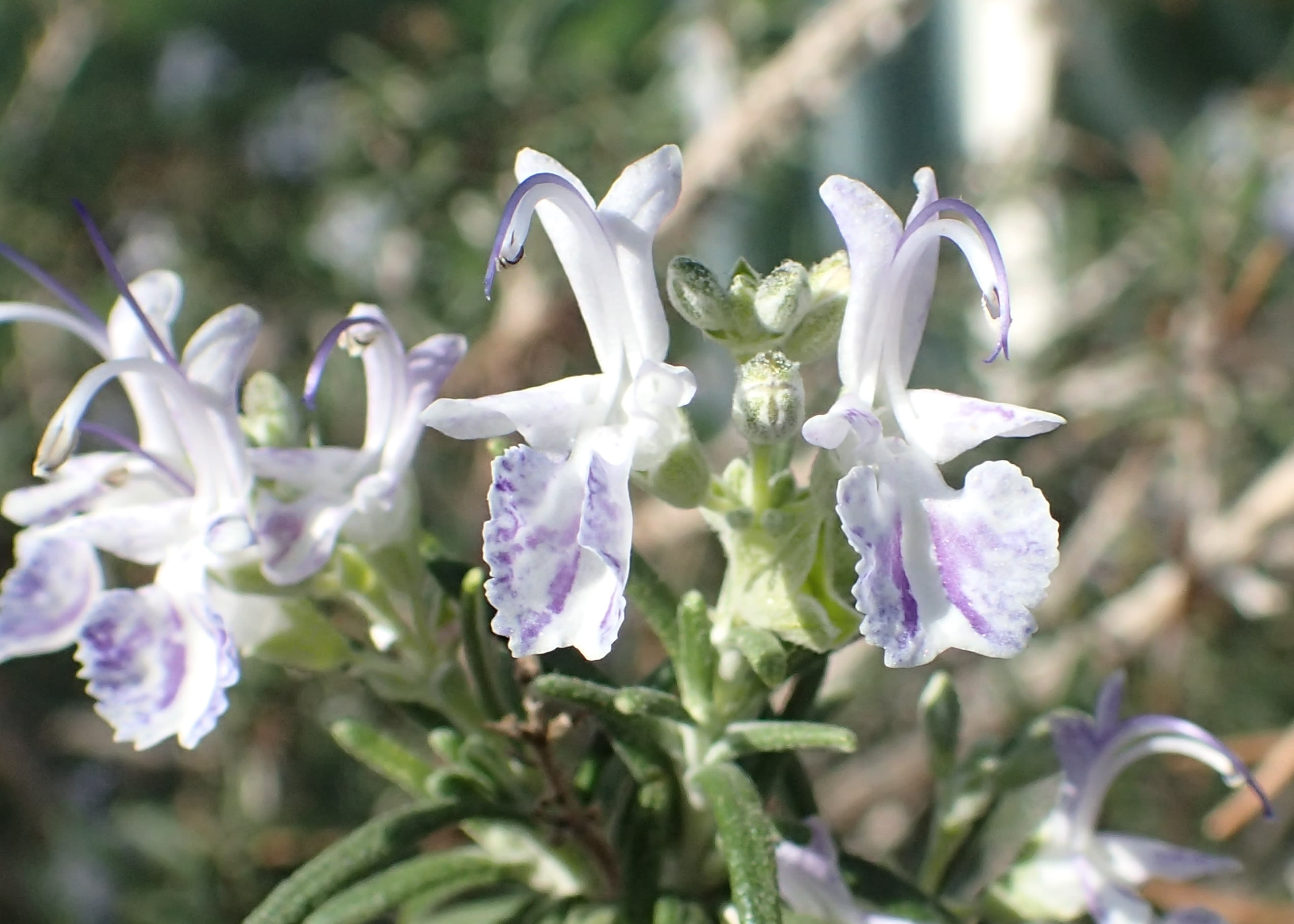
How to Grow Rosemary: A Complete Guide
Rosemary is one of those plants that earns its place in any garden many times over. A single established bush gives you fragrant sprigs all year round, draws bees with its blue flowers, shrugs off drought, and asks for almost nothing in return. Whether you grow it in a sunny border or a pot by the kitchen door, rosemary is one of the most rewarding — and forgiving — herbs you can grow. Here's how to keep it thriving.
Meet the Plant
Rosemary (*Salvia rosmarinus*, formerly *Rosmarinus officinalis*) is a woody evergreen native to the Mediterranean. That heritage tells you most of what you need to know: it loves sun, tolerates poor soil, and hates having wet feet. In the right spot it's a perennial that can live for years and grow into a substantial shrub up to 1.5 m (5 ft) tall.
It's reliably hardy in roughly USDA zones 8–11 (and milder parts of zone 7 with shelter). In colder regions, grow it in a pot you can move somewhere sheltered over winter, or treat it as you would a tender perennial.
There are two broad habits worth knowing: upright varieties (like 'Tuscan Blue' or 'Miss Jessopp's Upright'), which are best for hedging and harvesting, and trailing or prostrate types that spill beautifully over walls and container edges.
Starting Rosemary
You have three options, in increasing order of patience required:
The Right Spot and Soil
Give rosemary the sunniest position you have — at least 6 hours of direct sun a day. The single most important thing is drainage. Rosemary roots rot in soggy soil, which is the most common way gardeners kill it.
If your soil is heavy clay, improve it with grit and compost, or grow in a raised bed or container instead. For pots, use a free-draining mix — ordinary potting compost cut with about one-third horticultural grit or perlite — and make sure the pot has drainage holes. A terracotta pot is ideal because it lets the rootball dry between waterings.
Watering and Feeding
This is where less is more. Water a newly planted rosemary regularly for its first season while it establishes. After that, an in-ground plant rarely needs watering except in prolonged drought. Container plants dry out faster, so water when the top 2–3 cm (1 in) of compost is dry — then let it drain freely. When in doubt, don't water. Yellowing lower leaves and a sad, droopy plant are far more often signs of overwatering than thirst.
Rosemary actually produces more aromatic oils in lean conditions, so go easy on feeding. A light annual top-dressing of compost in spring is plenty.
Pruning to Keep It Bushy
Regular light pruning is the secret to a full, healthy plant rather than a leggy, woody one. The easiest approach is simply to harvest often — every time you snip sprigs for the kitchen, you're pruning.
After flowering, trim the whole plant back by up to a third to keep it compact, but avoid cutting back into the old, leafless brown wood — rosemary is slow to resprout from bare stems. Always leave plenty of green growth.
Harvesting and Using
You can harvest rosemary all year round, though growth slows in winter. Snip sprigs as you need them, ideally in the morning when the oils are most concentrated. Taking up to about a third of the plant at once is fine for an established bush.
To preserve a glut, rosemary dries beautifully — hang small bundles upside down in a warm, airy spot, then strip the leaves into a jar. It also freezes well in oil, and the woody stems make fragrant skewers for the grill.
Common Problems
A Herb Worth Sharing
A happy rosemary bush quickly produces far more than one kitchen can use — and cuttings root so easily that it's the perfect plant to multiply and pass along. Gifting a rooted rosemary cutting to a neighbour, or swapping a bundle of fresh sprigs for someone's homegrown lemons, is exactly the kind of small, generous exchange that makes a street feel like a community.
Want to share your herbs and harvests with the people nearby? Join Locavori to swap homegrown produce, trade cuttings, and connect with growers in your neighbourhood.
Related Posts
How to Grow Sage: Complete Guide
Sage is a tough, drought-tolerant perennial herb that gives years of harvests. Learn how to plant, grow, harvest, and prune sage in gardens or containers.
How to Grow Fennel: From Seed to Harvest
Feathery, aromatic, and surprisingly easy, fennel gives you a herb, a vegetable, and a pollinator magnet in one plant. Here's how to grow it and get fat, sweet bulbs.
How to Grow Oregano: A Complete Guide
Oregano is a hardy, drought-tolerant perennial that thrives on neglect and comes back year after year. Here's how to grow, harvest, and dry it for the fullest flavour.