
How to Grow Sweet Corn: A Complete Guide
Few things capture the taste of summer quite like sweet corn picked minutes before it hits the pot. The sugars in a freshly harvested cob start converting to starch almost immediately, which is exactly why homegrown corn tastes worlds apart from anything on a supermarket shelf. The good news: sweet corn (also called maize) is far easier to grow than its towering stalks suggest. Here's everything you need to grow a reliable, sweet harvest.
Why grow sweet corn?
Beyond the unbeatable flavour, sweet corn is a rewarding crop for new and experienced growers alike. The plants grow fast, look dramatic, and a small block can yield dozens of cobs. It's also a brilliant crop to share — a glut of corn is the perfect thing to pass over the fence to neighbours.
Understanding your climate and timing
Sweet corn is a warm-season crop that needs heat to thrive. It will not tolerate frost, and seeds rot in cold, wet soil.
Always check your local last-frost date before sowing. Corn needs roughly 60–100 frost-free days to mature, depending on the variety, so make sure your growing season is long enough.
Choosing a variety
Modern sweet corn comes in a few sweetness types:
For beginners, a sugar-enhanced variety offers the best balance of reliability and flavour. Important: don't plant different types close together, as cross-pollination can turn kernels starchy.
Preparing the soil
Corn is a hungry crop. Choose a sunny spot — at least 6 hours of direct sun a day — sheltered from strong wind, since tall stalks can blow over. Work plenty of compost or well-rotted manure into the bed before planting. Corn prefers a soil pH of 6.0–6.8.
How to plant — block, not rows
This is the single most important tip for sweet corn: plant in blocks, not long single rows.
Corn is wind-pollinated. Pollen falls from the tassels at the top onto the silks of the cobs below. Planting in a square block of at least 4 rows by 4 rows ensures good pollination and full, evenly filled cobs. A single long row often produces gappy, half-filled cobs.
In cooler regions, start seeds indoors in biodegradable pots 3–4 weeks before your last frost, then transplant carefully — corn dislikes root disturbance.
Watering and feeding
Keep the soil consistently moist, especially at two critical stages: when the plants are flowering (tasselling) and as the cobs fill out. Aim for about 2.5 cm (1 in) of water per week. Mulching around the base helps lock in moisture and suppress weeds.
Feed with a balanced organic fertiliser when plants are about knee-high, and again when the silks appear. Corn responds well to nitrogen.
Supporting the "three sisters"
Sweet corn is the classic partner in the traditional "three sisters" planting — corn, beans, and squash grown together. The corn provides a natural trellis for climbing beans, the beans fix nitrogen in the soil, and sprawling squash leaves shade out weeds and retain moisture. It's a beautiful, space-efficient way to grow if you're short on room.
Common problems
How to tell when corn is ready
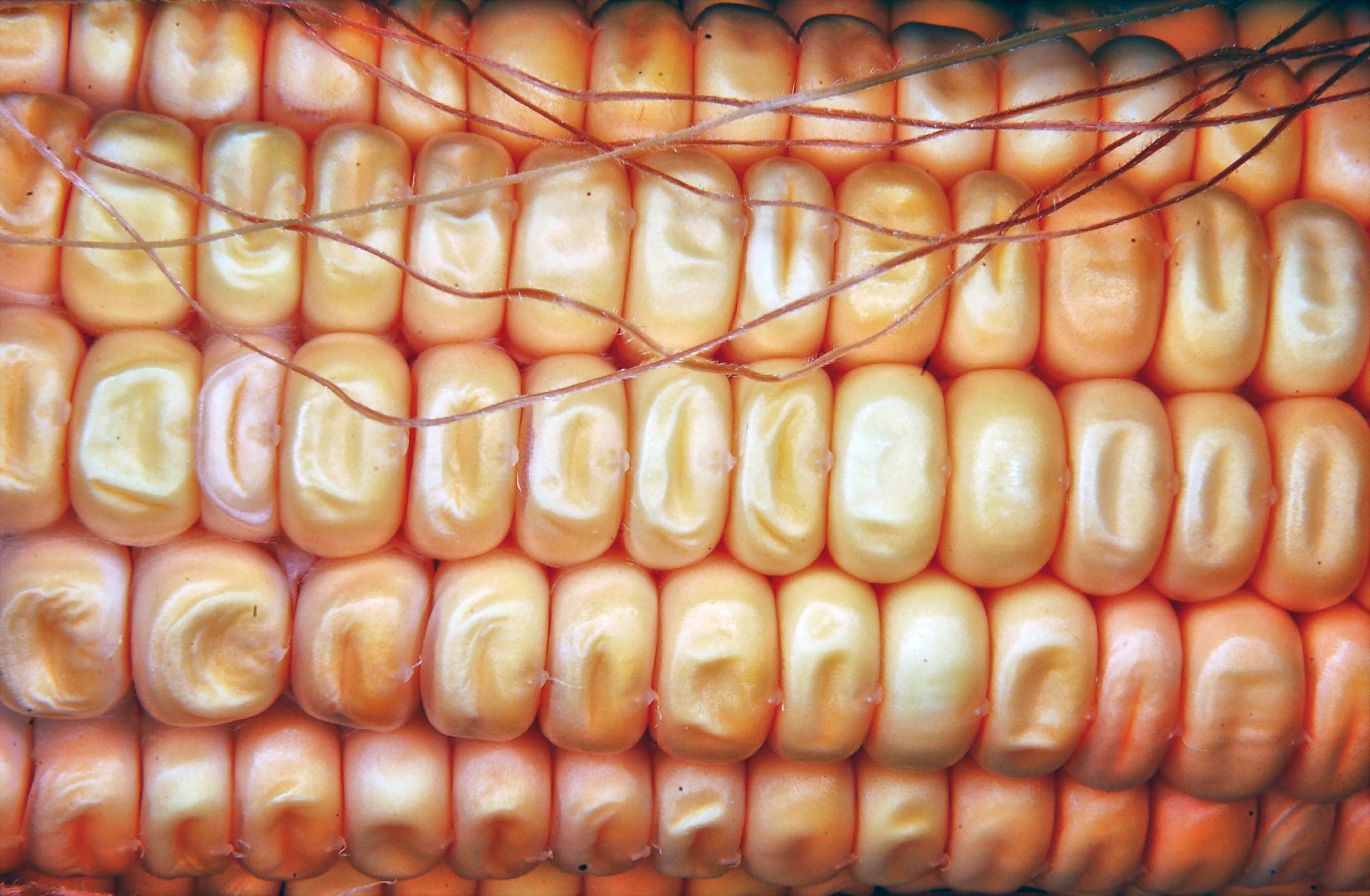
This is the fun part. About 3 weeks after the silks appear, they'll turn brown and dry. Peel back a little husk and press a kernel with your thumbnail — if the liquid runs milky, it's ready. Clear liquid means wait a few more days; thick and doughy means you've left it slightly too long.
Harvest by snapping cobs downward with a sharp twist. Then race to the kitchen — the sooner you cook it, the sweeter it tastes.
Bringing it to the table — and the neighbourhood
A good corn block produces more than one household can eat in a flush, and the cobs don't keep well. That makes sweet corn a perfect crop for sharing. Swapping a few cobs for a neighbour's tomatoes or courgettes is exactly the kind of small, joyful exchange that builds a stronger, more connected community.
Ready to grow, swap, and share your homegrown harvest with people nearby? Join Locavori today and turn your garden's surplus into stronger neighbourhood connections.
Related Posts
How to Grow Fennel: From Seed to Harvest
Feathery, aromatic, and surprisingly easy, fennel gives you a herb, a vegetable, and a pollinator magnet in one plant. Here's how to grow it and get fat, sweet bulbs.
How to Grow Celery: From Seed to Harvest
Crisp, flavourful homegrown celery is easier than its fussy reputation suggests. Here's how to grow tender stalks from seed to harvest.
How to Get Rid of Aphids Naturally
Aphids are the home garden's most common pest — but you can control them without synthetic chemicals. Here are the organic methods that actually work.