
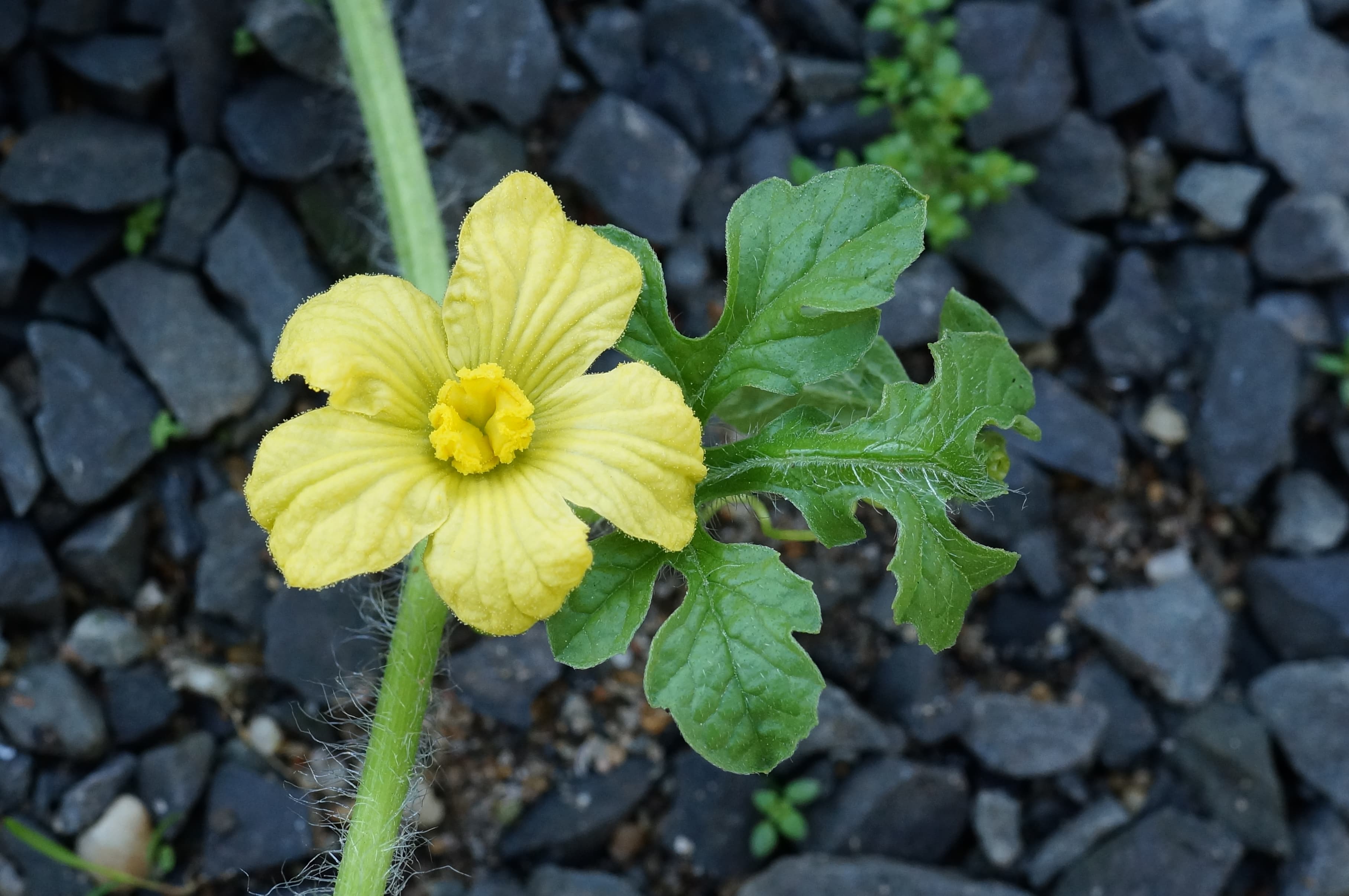
How to Grow Watermelon at Home: Complete Guide
Few things say "homegrown summer" quite like slicing into a watermelon you raised yourself. It sounds ambitious, but watermelons are surprisingly straightforward once you understand what they really want: warmth, sunshine, room to roam, and steady water while the fruit swells. Whether you have a sprawling backyard or a sunny patio with a large container, this guide walks you through growing watermelons from seed to that first sweet, crisp bite.
Why grow your own watermelon?
Supermarket watermelons are picked early so they survive shipping, which means they never reach the sugar levels of a fruit ripened on the vine. A homegrown melon, harvested at peak, is a different experience entirely — dense, juicy, and intensely sweet. Watermelons are also a fantastic crop to share: a single plant can produce several fruits, and one ripe melon easily feeds a gathering of neighbours.
Choosing the right variety
Watermelons range from 1.5 kg (3 lb) "icebox" types to giants over 14 kg (30 lb). For most home growers, smaller and faster-maturing varieties are the smart choice.
If your growing season is short or cool, prioritise varieties listed at 80 days or fewer.
Climate, timing, and your local frost date
Watermelons are heat-lovers. They need warm soil — ideally 21°C (70°F) or above — to germinate well, and they sulk in cold conditions. The single most important rule: never plant out until all danger of frost has passed and the soil has truly warmed up.
Always check your local last-frost date rather than relying on the calendar alone — it varies enormously even within a single region.
Starting from seed
Watermelons resent root disturbance, so if you start indoors, use biodegradable pots you can plant directly into the ground.
1. Sow seeds 1–2 cm (about ½ in) deep, two or three per pot. 2. Keep them warm — a heat mat at 24–29°C (75–85°F) speeds germination, which usually takes 5–10 days. 3. Once seedlings have a couple of true leaves, thin to the strongest one per pot. 4. Harden off gradually over a week before transplanting, exposing plants to outdoor conditions a little more each day.
To direct-sow, wait until soil is warm and plant 3–4 seeds in low mounds ("hills"), thinning to the two strongest seedlings per hill.
Soil, spacing, and feeding
Watermelons are hungry, thirsty plants with vigorous vines.
Watering: the make-or-break factor
Consistent moisture is the difference between a watermelon and a disappointment. Water deeply and regularly — aim for about 2.5–5 cm (1–2 in) per week, more in hot, dry spells. Water at the base of the plant rather than overhead to keep foliage dry and reduce disease. Reduce watering as the fruit approaches ripeness — easing off in the final week concentrates the sugars and prevents bland, watery flesh.
Pollination
Watermelons produce separate male and female flowers on the same plant. Females (recognisable by the tiny swollen fruit behind the bloom) need pollen carried from male flowers, usually by bees. To support pollination:
Growing in containers and small spaces
No sprawling yard? You can still grow watermelon. Choose a compact variety, use a container of at least 40–75 litres (10–20 gallons), and provide a sturdy trellis to train the vine upward. As fruits form on a trellis, support each one in a sling made from an old t-shirt or netting so the weight doesn't snap the stem.
Common problems
How to tell when it's ripe
This is the trickiest part, and watermelons won't ripen further once picked. Look for three signs together:
1. The ground spot (where the melon rests on the soil) turns from white to creamy yellow. 2. The curly tendril nearest the fruit's stem dries and turns brown. 3. A dull, hollow thunk when you tap the melon, rather than a sharp ring.
When all three line up, cut — don't pull — the fruit from the vine, leaving a short stub of stem.
Bring your harvest to the table — and the neighbourhood
One healthy plant can give you several melons, often more than a household can eat at once. That abundance is exactly what makes watermelon such a joyful crop to grow in a food-sharing community: a ripe melon shared over a fence or at a local swap is summer generosity in its purest form.
Ready to grow, swap, and share your homegrown harvest with neighbours near you? Join Locavori today and turn your garden into part of something bigger.
Related Posts
How to Grow Rhubarb: A Complete Guide
Plant rhubarb once and harvest tart, ruby stalks for a decade. Here's how to grow, force, and harvest this low-maintenance perennial.
How to Get Rid of Aphids Naturally
Aphids are the home garden's most common pest — but you can control them without synthetic chemicals. Here are the organic methods that actually work.
How to Prune Tomatoes for a Bigger Harvest
A few minutes of pruning each week channels your tomato plant's energy into bigger, earlier, healthier fruit. Here's exactly how and when to do it.