
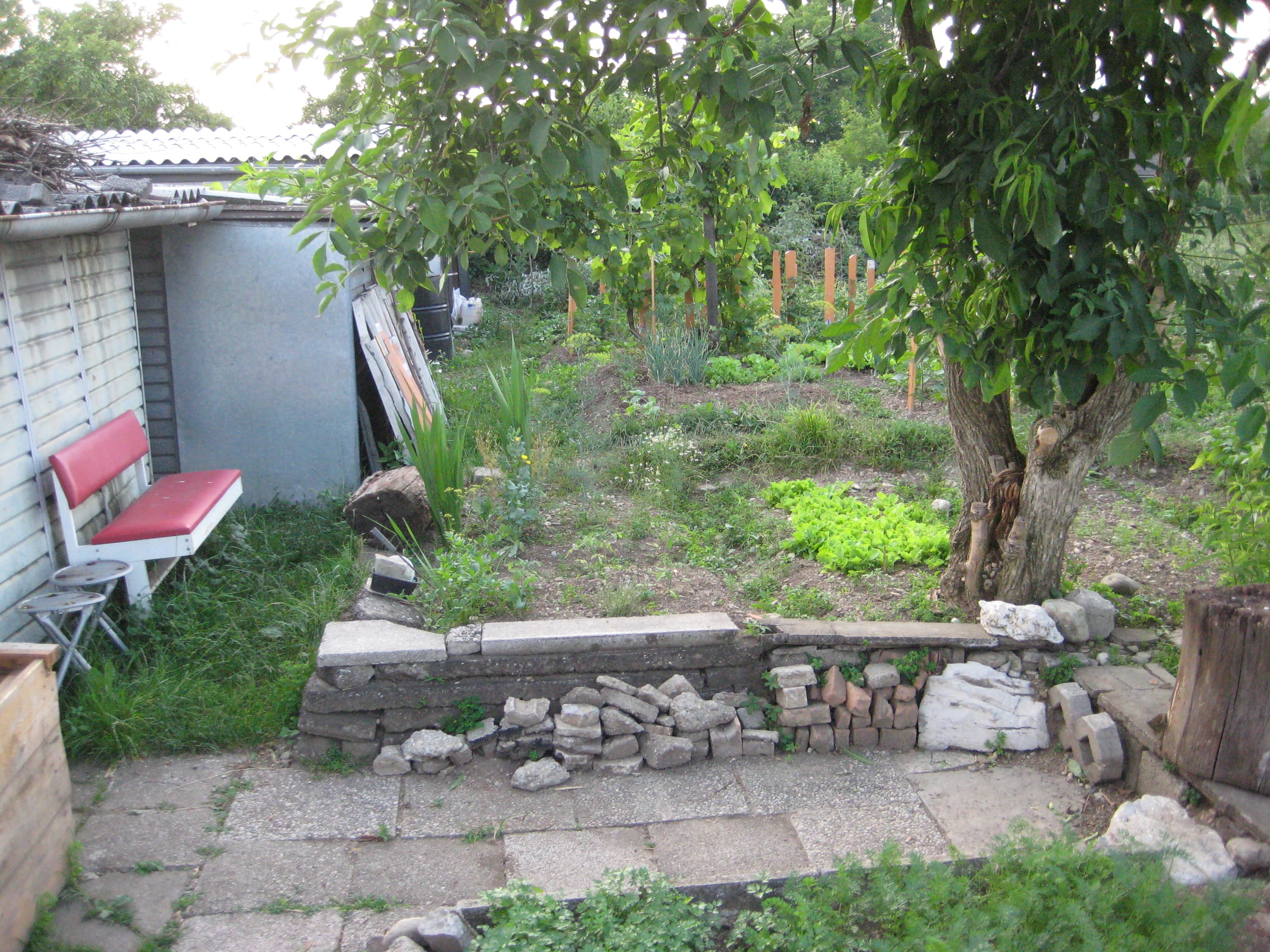
What to Plant in Summer: Warm-Season Crops
Summer is the garden's loudest season — long days, warm soil, and crops that practically sprint out of the ground. But it's also a season many gardeners misread, assuming that once spring planting is done, the sowing is over. It isn't. Summer is prime time both for heat-loving crops that finally have the warmth they crave and for quick succession sowings that keep your harvest rolling into autumn.
Here's what to plant now, wherever you garden, and how to keep things thriving through the heat.
First, Know Your Season
"Summer" means different things depending on where you live. Before you sow, anchor yourself with two simple facts:
With that in mind, summer planting splits into two jobs: starting heat-lovers and succession-sowing for a continuous harvest.
Heat-Loving Crops to Plant Now
These crops need warm soil — at least 18–21°C (65–70°F) — and reward you with the flavours summer is famous for.
In cooler or short-season regions, lean on transplants and quick varieties so crops finish before autumn cold sets in.
Succession Sowing for a Non-Stop Harvest
The secret to an abundant garden isn't planting everything at once — it's sowing small amounts often. As you harvest early crops, fill the gaps. Through summer, keep sowing:
This "little and often" rhythm — known as succession planting — is what separates a garden that peaks once from one that feeds you all season.
Looking Ahead: Start Your Autumn Crops
Mid-to-late summer is also when forward-thinking gardeners sow cool-season crops that will mature as the weather cools:
Starting these now, while the soil is warm, gives them a strong head start before the days shorten.
Keeping Summer Crops Happy
Heat is a gift and a challenge. To keep plants productive:
Turning Summer Abundance into Connection
Summer is the season of gluts — the moment when one zucchini plant becomes ten too many, and the tomatoes ripen all at once. That overflow is a gift, not a problem. Sharing surplus with neighbours means nothing goes to waste, and a basket of homegrown produce is one of the friendliest ways to meet the people on your street.
Whatever your climate, summer is a season of momentum. Keep sowing, keep harvesting, and keep sharing — the garden gives back everything you put into it, and then some.
Want to swap your summer surplus and grow alongside your neighbours? Join Locavori today and turn this season's abundance into a stronger, greener community.
Related Posts
How to Grow Fennel: From Seed to Harvest
Feathery, aromatic, and surprisingly easy, fennel gives you a herb, a vegetable, and a pollinator magnet in one plant. Here's how to grow it and get fat, sweet bulbs.
How to Grow Oregano: A Complete Guide
Oregano is a hardy, drought-tolerant perennial that thrives on neglect and comes back year after year. Here's how to grow, harvest, and dry it for the fullest flavour.
How to Grow Chives: Complete Guide
Chives are one of the easiest, most rewarding herbs to grow — a hardy perennial that returns every year. Here's how to grow them from seed to harvest in beds, pots, or on a windowsill.